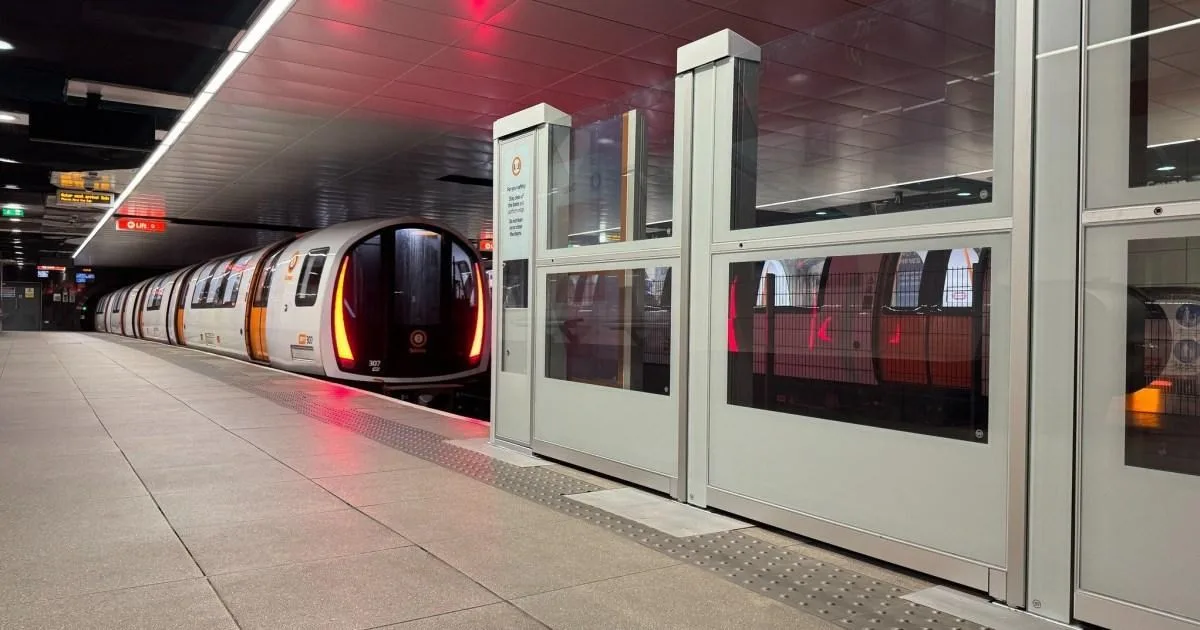
Glasgow is on track to become the first major UK city to introduce a fully driverless subway system, marking a landmark moment in British transport history. The Strathclyde Partnership for Transport (SPT) has confirmed that Unattended Train Operation (UTO) will be introduced to the Glasgow Subway next year, with the new autonomous trains expected to be in action by the latter half of 2026.
The Final Stages of a Major Modernisation
This ambitious move represents the culmination of a comprehensive, multi-year modernisation project for the city's underground network. The project, now in its 'final stages' according to reports, began with the launch of new trains in 2023 – the first full-scale upgrade the system had seen in over three decades.
The renovation work has been extensive. It includes the refurbishment of fifteen stations and the introduction of a fleet of seventeen new trains. These modern carriages, which replaced the old three-car sets, are the same size but configured as four-car units with open gangways, significantly increasing passenger space and improving flow.
A Complex Transition and Staffing Considerations
SPT officials have described the shift to driverless operation as 'the most complex phase of delivery'. The transition will be gradual, acknowledging the significant technical and operational challenges involved. In a report, transport authorities stated: 'We recognise how challenging this transition will be, especially as a first of its kind in the UK.'
While the new system will be technically capable of running without any staff on board, SPT has indicated that some staff presence may still be required within the system beyond the implementation point. This highlights the careful, phased approach being taken to ensure safety and public confidence during this historic change.
Broader Upgrades and European Precedents
The driverless technology is not the only upgrade coming to the subway. Earlier this year, SPT also announced the introduction of smartcard ticketing, finally bringing contactless payment to Glasgow's underground network.
This British advancement follows pioneering work in Europe. This summer saw the debut journey of Europe's first driverless train in the Czech Republic. The autonomous vehicle, named Edita, operates on a 15-mile track linking two northern towns. Its developer, Prague-based AZD, stated the train runs autonomously with systems controlling traction, brakes, and speed, and is equipped with obstacle detection technology. The company invested approximately £11.3 million into the project.
The move in Glasgow signals a major step forward for autonomous public transport in the United Kingdom, positioning the city's subway at the forefront of railway innovation and setting a potential blueprint for other networks across the country.




