A former flight attendant has given a chilling insight into how often passengers die on aircraft, following the shocking incident last week where a British grandmother passed away on an easyJet flight from Spain to Gatwick.
The Shocking easyJet Incident
The disturbing event unfolded on an easyJet flight departing from Malaga, Spain, bound for London Gatwick. An 89-year-old British woman was assisted onto the aircraft by five relatives, who reportedly told airline staff she was unwell and had fallen asleep.
However, horrified fellow holidaymakers claimed the elderly passenger was already deceased when she was wheeled onto the plane. Shortly after takeoff, crew were alerted to the situation and the aircraft was forced to turn back to Malaga, causing a 12-hour delay for all passengers.
One passenger, Tracy-Ann Kitching, took to social media to express her outrage, directly questioning easyJet: "Why did you let a dead person on our flight?!" She added that she witnessed the woman being boarded, with someone holding her head.
A spokesman for the Malaga Civil Guard confirmed they were called to the aircraft, stating the woman was pronounced dead on the plane which had been due to leave just after 11am.
easyJet has firmly denied these claims, insisting the passenger was alive when she boarded and that there was no reason to refuse her travel.
Flight Attendant's Ominous Revelation
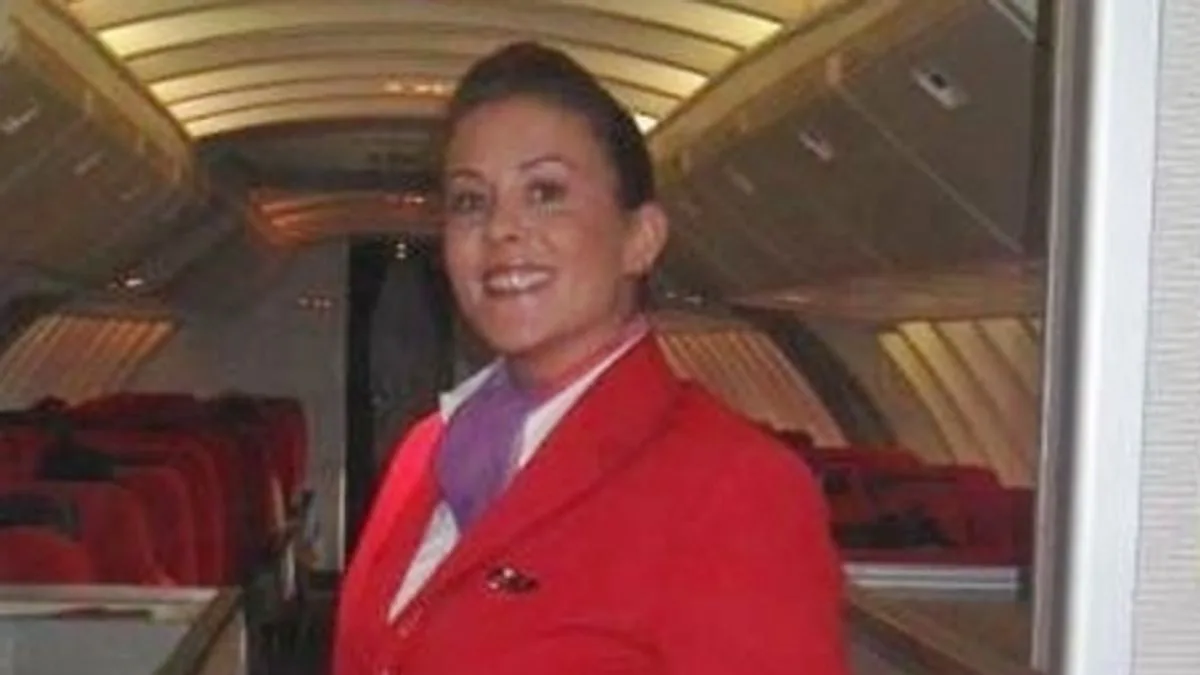
In the wake of the story, former Virgin Atlantic flight attendant Skye Taylor, who served for 16 years, shared her professional perspective on the traumatic reality of deaths in the air.
She revealed that such tragic incidents "happen a lot more" than the public realises. "There is probably not one person in aviation who hasn't witnessed that," Taylor told the Mirror. "A death on board is quite horrific."
Taylor explained that crews are extensively trained in strict procedures for handling a passenger's death, including where to place a body with dignity. Airlines also have direct lines to medical experts on the ground for immediate consultation.
She described a common, sad scenario: "A lot of the time you get people coming from places they have retired to and they are coming back to pass away... to come home and be with their family, and sometimes they don't make it."
Why Planes Don't Always Land After a Death
In a key revelation, Skye Taylor clarified standard airline protocol regarding an in-flight death. Contrary to what passengers might expect, an aircraft will not typically divert or make an emergency landing if a passenger passes away once cruising altitude is reached.
She recalled passengers questioning why a plane wasn't landing after a death. Taylor explained that to turn an aircraft around for this reason costs "millions" and, clinically, there is "no point" as nothing can be done for the deceased.
She emphasised the critical importance of ground staff alerting cabin crew to any concerns about a passenger's health before departure, as options for medical intervention become severely limited at 35,000 feet.
The former crew member's account sheds stark light on the hidden, sombre realities of commercial aviation, underscored by the deeply unsettling easyJet case that has left passengers traumatised and sparked serious questions about pre-flight checks.