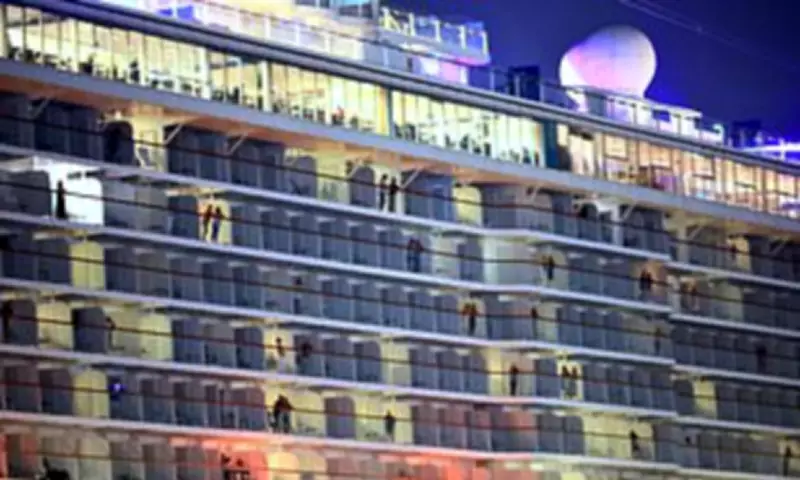
Thousands of cruise line passengers and crew members are currently trapped in ports across the Gulf region due to the intensifying war in the Middle East. The escalating hostilities have forced these individuals to remain aboard their vessels, which have effectively been transformed into stationary floating hotels, with no safe exit routes available.
Emergency Protocols and Operational Crisis
The activation of emergency protocols has compelled ship captains to suspend all scheduled itineraries. This decision was driven by the latent risk present in the strategic Strait of Hormuz and a dramatic, exponential increase in the cost of insurance policies. In many instances, insurers have completely ceased coverage for operations within the affected area.
According to the leading travel portal Hosteltur.com, this forced immobilisation represents far more than a simple logistical challenge concerning fuel or supplies. It is fundamentally a security issue that has escalated beyond leisure travel into a large-scale operational crisis. The sector, which was experiencing the peak of its winter season, now faces a state of technical paralysis that extends well beyond the mere cancellation of planned voyages.

Logistical and Safety Reevaluation
The impossibility of executing planned ship rotations has forced cruise companies to undertake a comprehensive reevaluation. Their focus is not only on ensuring the safety of their guests and crews but also on assessing the continued viability of their entire logistical support structures in the region.
The industry is now anxiously awaiting the establishment of internationally recognised safe corridors. These passages are essential to facilitate either the evacuation of personnel or the repositioning of fleets to less compromised international waters away from the conflict zone.
Magnitude of the Standstill
The scale of the disruption is significant, currently affecting at least six large cruise ships from major companies. These vessels are immobilised in the ports of Dubai and Doha. Originally scheduled to continue their journeys or transfer passengers, they have now received orders to remain either docked or anchored in areas currently deemed secure.
This standstill will persist until international maritime organisations can determine and declare new, safe shipping routes through the region. The situation has led to a concerning saturation of port services, which complicates both passenger management and the critical provisioning required to maintain basic operational capacity on the ships.
Impact on Winter Operations
The impact is concentrated primarily on the major cruise groups that dominate winter operations in the Persian Gulf. With the ships unable to depart, there are growing worries about the duration of the stranding and how the vessels will cope with sustaining all essential services. This includes the continuous supply of food, drink, fresh water, and other fundamental necessities for the thousands of travellers and crew members on board.
The forced conversion of these cruise liners into static accommodations presents an unprecedented challenge, merging concerns of humanitarian welfare with complex maritime and security logistics during a period of regional conflict.