The Pilgrimage That Transformed Family Dynamics
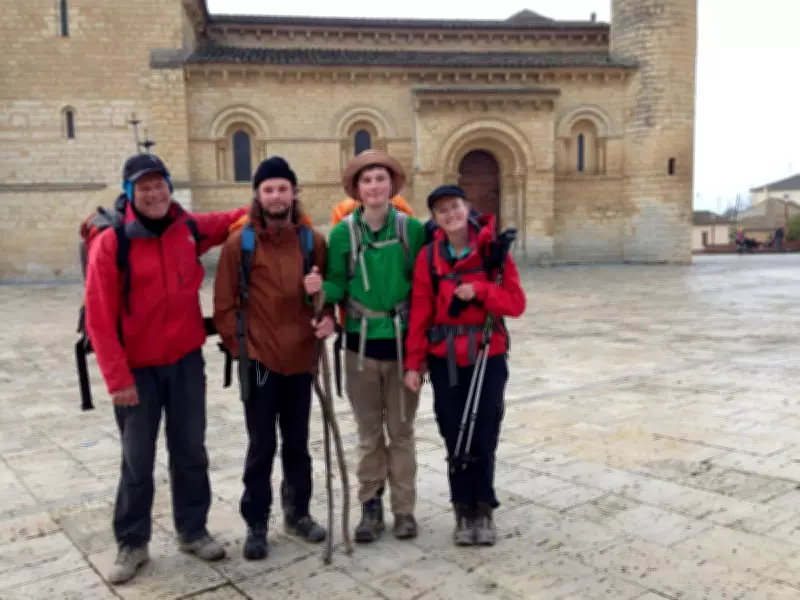
When Lisa Walker embarked on the Camino de Santiago pilgrimage with her husband and two sons a decade ago, she understood this 30-day walk represented more than just physical endurance. With one son freshly graduated from school and the other completing his degree, their family stood at the precipice of profound change. The walk became wedged into that narrow window before their sons' independent lives fully commenced in different cities and countries.
A Decade of Walking Together
The Walker family had established walking as their core cultural tradition long before the Camino pilgrimage. From carrying their sons in backpacks as infants to coaxing them along trails with snacks and stories, summer holidays always meant hiking while winter brought ski touring adventures. Though met with occasional resistance—one son famously declared he would never climb another mountain after leaving home, a vow he later broke by hiking coast to coast across Britain—these experiences forged their family identity.
Most family legends emerged from these shared journeys: getting lost in New Zealand's wilderness, surviving a flooded tent in Tasmania, and the enduring drama of stolen lollies that both sons still blame on each other to this day. By the time they tackled the Camino, walking together felt familiar, yet the emotional terrain had shifted dramatically.

From Hierarchy to Democracy
"We were no longer parents and children," Walker reflects. "We were four people with sore feet and competing lunch preferences." The traditional family hierarchy dissolved into democratic decision-making, though Walker admits with affectionate bias that these collective choices often proved flawed. When it became evident their allotted 30 days was insufficient, she suggested catching a bus—only to be promptly outvoted by her sons.
This moment became symbolic of a broader transition. "Don't let them push you around," her youngest son advised midway through the pilgrimage. "You don't have to get up early if you don't want to." His brother chimed in from his bunk, "I didn't know that was an option." This subversive banter represented their new family dynamic: four adults negotiating each day as equals.
The Unplanned Goodbye Ritual
Society provides ample ceremonies for births, weddings, and deaths, but the departure of grown children typically occurs without fanfare. One morning, bedrooms simply empty. Daily intimacies vanish. The Camino de Santiago unexpectedly provided Walker with the ritual she hadn't realized she needed—a prolonged, unplanned farewell to her children's childhood.
Returning home brought bittersweet clarity. The primary job of raising children was substantially complete, requiring her to learn an entirely new parental role. What she couldn't anticipate was how this pilgrimage would establish a template for their future family relationships.
Walking as Equal Companions
In the decade since her sons left home, walking has remained their connective tissue. At least twice annually, they select a trail and step onto it as genuine equals—hiking Western Australia's Larapinta Trail with one son, Tasmania's Three Capes Track with the other, and Queensland's K'gari Great Walk with both. Each journey differs according to who participates, but the function remains consistent.
These walks provide uninterrupted, shared time in our fragmented digital world. Mobile phones lose service. Conversations unfold gradually across kilometers. They discover who each other has become through observation rather than interrogation. Walker doesn't need to ask about work or relationships; instead, she watches her sons navigate steep ascents or pause to appreciate changing light. They witness her struggles, adaptations, and persistence. Notably, they now carry more weight than she does.
Embracing Impermanence Together
These journeys consciously acknowledge their temporary nature—an understanding that this concentrated time together is finite before dispersing to different cities and countries. Rather than resisting this reality, their walks contain and honor it, allowing them to part gracefully after each reunion.

"We are four people who have walked a long way together and now mostly walk apart," Walker observes. "But a few times a year, we shoulder our packs, step onto a trail, and remember how to move forward in the same direction." The Camino pilgrimage that began as a farewell has evolved into an enduring practice of reconnection, transforming parental relationships into lifelong walking companions.