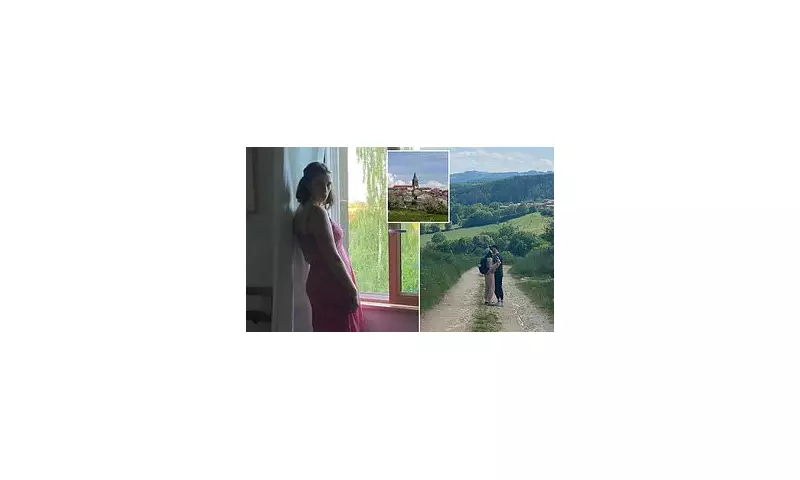
When Audrey Jacqulene Bruno, a 32-year-old California native, abandoned bustling city life for a quaint French village in 2021, she envisioned a picturesque fairytale existence. However, the reality proved starkly different, leading her to abandon her rural idyll after just two years and issue a stark warning about the hidden difficulties of countryside living.
The Allure of Escape
After years in New York City and Berlin, Bruno felt thoroughly burnt out by urban pressures. The COVID-19 pandemic, which brought metropolitan life to a near standstill in 2020, presented what seemed like the perfect opportunity for change. With nightlife extinct, restaurants shuttered, and social gatherings severely restricted, the couple decided to seek tranquility elsewhere.
They selected Vernassal, a tiny French village with a population of merely 362 residents, primarily because it was close to her husband's family. Initially, everything appeared ideal. Their monthly rent was an astonishingly low 600 euros (approximately $700) for a property ten times larger than their previous apartment. The charming house came complete with a private garden, barn, horse stables, and proximity to numerous hiking trails.

The Dream Unravels
As pandemic restrictions gradually eased, Bruno's enchantment with village life began to dissolve. She quickly became acutely aware of the dramatic accessibility gap between rural and urban environments. The first significant hurdle was the language barrier, as her limited French made communication with locals challenging.
Adjusting to the village's leisurely pace and distinct attitudes proved equally difficult. Bruno discovered that rural life operates at a markedly slower rhythm than city existence, requiring considerable adaptation. Furthermore, the demographic composition of Vernassal presented unexpected social challenges.
Social Isolation and Cultural Differences
The village population consisted predominantly of elderly retirees whose political views and general interests were, in Bruno's words, 'diametrically opposed' to her own. This generational and ideological divide left her feeling like a perpetual outsider, yearning for companionship with people her own age.
Local social customs also proved trying. Villagers possessed seemingly infinite time for conversation, which while occasionally pleasant, often became a nuisance. Bruno admitted there were times she avoided leaving her house altogether, fearing encounters with neighbors that might trigger lengthy discussions disrupting her work schedule and daily priorities.
Practical Hardships and Limited Amenities
The practical inconveniences of rural living soon became overwhelming. Shopping and dining options were severely restricted, with shops frequently closed on Sundays, during lunch hours, or simply when proprietors stepped out for breaks. Bruno particularly missed the convenience of modern delivery services like DoorDash and Uber, staples of her previous urban existence.
Transportation emerged as her most significant complaint. Having lived in cities with comprehensive public transit systems for years, Bruno never obtained a driver's license. In Vernassal, where driving is essential for reaching any destination, she became entirely dependent on her husband for mobility. While walking or cycling to nearby shops was theoretically possible, the time investment proved disproportionate to the benefit.
The Financial Reality
Contrary to expectations, the couple discovered they weren't saving money despite lower rent. Countryside living introduced numerous additional expenses including car payments and substantially higher utility bills, negating any financial advantage from their cheaper accommodation.
The Return to Urban Life
By October 2023, after just over two years in Vernassal, Bruno felt she was 'losing her mind'. The couple consequently relocated to Lyon, a nearby French city, where Bruno reports being 'much happier' while remaining grateful for her rural experience.

'I feel much more like myself now that I can leave my house and simply hop on a subway or a bike,' she explained. 'It's also just nice to have access to certain conveniences that aren't possible in remote towns, like being able to order delivery when I don't have the energy to cook or go to a late supermarket for an ingredient I'm missing.'
Bruno's story serves as a cautionary tale for those romanticizing countryside living, highlighting that the pastoral dream often conceals substantial practical, social, and cultural challenges that urban transplants might underestimate.