Significant changes are on the horizon for British travellers in 2026, with new regulations set to reshape journeys to the European Union and popular global destinations. From additional paperwork to stricter onboard conduct rules, holidaymakers need to be prepared to navigate a transformed travel landscape.
New EU Entry Requirements: ETIAS and EES
A major shift for Brits heading to Europe is the impending introduction of the European Travel Information and Authorisation System (ETIAS). This visa waiver programme, similar to the US ESTA, will require an online application and a fee of €20 (approximately £17) for most travellers. Once approved, it remains valid for three years or until passport expiry. While under-18s and over-70s are exempt from the charge, all other UK passport holders will need one to visit Schengen Area countries.
Notably, the launch has faced delays. Spain recently announced a six-month grace period, meaning ETIAS will not be mandatory until April 2027, rather than October 2026 as initially anticipated. Officials urge applicants to use only the official ETIAS website to avoid third-party scams.

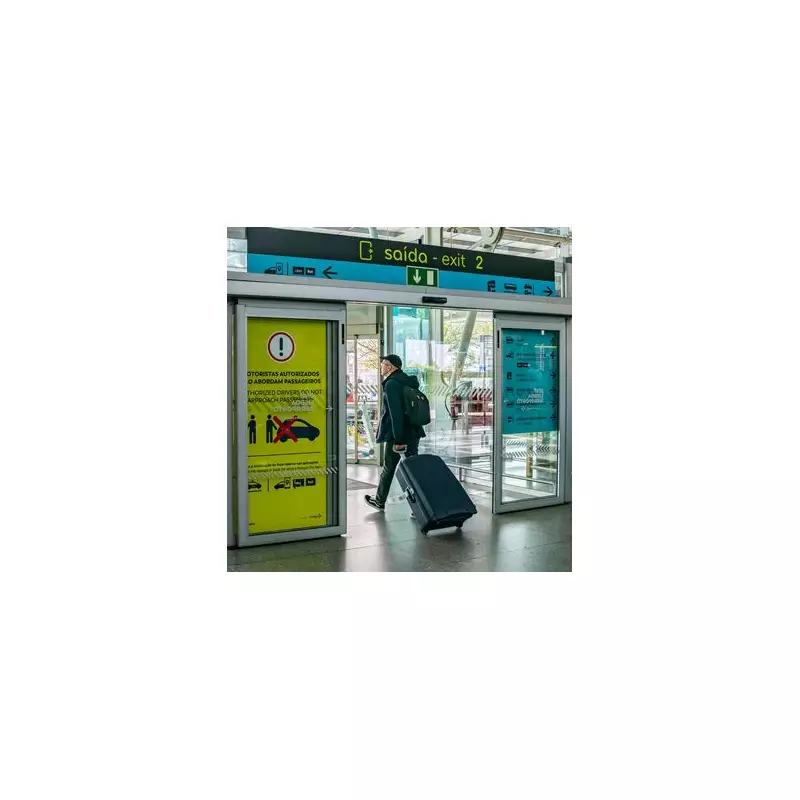
Alongside ETIAS, the EU's Entry/Exit System (EES) is scheduled for full implementation by 10 April 2026. This automated system will register non-EU nationals by collecting fingerprints and a facial image at the border, replacing manual passport stamps. While travellers need not apply in advance, it is expected to initially cause longer queues at airports and ports. The rollout for car passengers at the Port of Dover has been postponed to "early 2026".
Rising Costs: Tourist Taxes and Tiered Pricing
Brits abroad will also need to budget for increased visitor charges as destinations tackle overtourism. A growing list of locations is implementing nightly tourist taxes, which can accumulate over longer stays.
Key examples launching in 2026 include:
- Edinburgh introducing a 5% surcharge on hotel bills from July.
- Thailand imposing a 300 baht (around £7) fee on air passengers.
Furthermore, tiered pricing at attractions is becoming more common. From early 2026, non-EEA visitors to Paris's Louvre will pay €32 (about £27.86), while EEA residents pay €22. The US National Parks plan a two-tier system where international tourists could pay an extra $100 on top of standard fees. For example, a car entry to the Grand Canyon would jump from $35 to $135 for non-Americans.
Stricter Onboard Conduct and Health Rules
A new French law presents a stark warning for disruptive passengers. Those flying through French airspace who ignore safety instructions, use devices when prohibited, or obstruct crew face fines of up to €10,000 and flying bans for up to four years. Repeat offenders could see penalties double to €20,000. This policy may inspire similar measures across other EU nations.
Health regulations are also tightening in popular holiday spots. Several Spanish regions, including the Balearic and Canary Islands, are proposing stricter bans on smoking and vaping on beaches and bar terraces from 2026. Instant fines, potentially ranging from €30 to €2,000, would be issued to those breaking the rules.
Evolving UK Airport Security
There is some positive news for UK departures. Airports are gradually installing new generation security scanners to phase out the 100ml liquid limit for hand luggage. While the original 2024 deadline was missed, progress is being made.
Currently, Birmingham, Gatwick, and Edinburgh airports allow passengers to carry liquids up to two litres. Luton Airport has removed the requirement to separate liquids from bags, though the 100ml rule remains for now. Travellers are advised to check their departure airport's specific rules, remembering that restrictions may differ at their destination, potentially requiring items to be re-packed for the return journey.
In summary, 2026 demands a more proactive approach to travel planning for Brits. Understanding these new rules on visas, border checks, conduct, and costs is essential for ensuring smooth and stress-free holidays in the coming year.