Major US Food Recalls: Peanut Butter, Baby Food, and Beef Under Scrutiny
Peanut Butter, Baby Food, and Beef Recalled in US Over Safety

The United States is grappling with a series of significant food recalls, highlighting ongoing concerns over product safety and regulatory oversight. Tens of thousands of items, including popular snacks and essential groceries, have been pulled from shelves due to contamination risks that could pose health hazards to consumers.

Peanut Butter Recall Expanded Across Multiple States

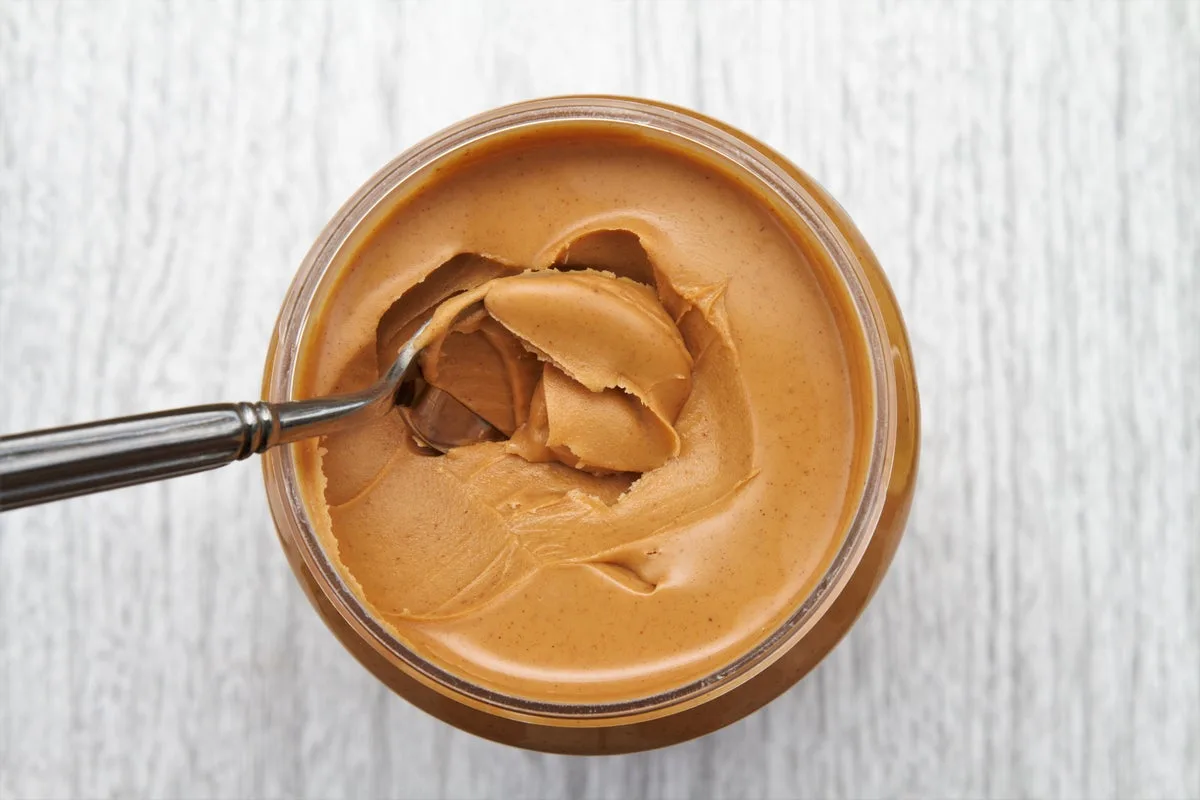
In a major development, Ventura Foods LLC has recalled over 20,000 cases of single-serve peanut butter and peanut butter-and-jelly snacks. This action affects consumers in 40 U.S. states, following the discovery of blue plastic pieces during the production process. Originally initiated in 2025, the recall was recently upgraded to a Class II by the Food and Drug Administration (FDA), indicating a moderate risk where adverse health consequences are possible but unlikely to be severe.

While the FDA has not confirmed any reported illnesses linked to this contamination, the agency emphasised that serious health issues are improbable. However, the presence of foreign materials like plastic underscores the importance of stringent quality controls in food manufacturing to prevent such incidents.

Additional Recalls for Baby Food and Ground Beef

Beyond the peanut butter recall, the FDA has also targeted other products for safety violations. A single lot of Initiative Foods' Tippy Toes brand Apple Pear Banana Fruit baby food puree has been recalled due to elevated levels of patulin, a mycotoxin that can cause nausea and gastrointestinal disturbances if consumed in high amounts. This recall highlights vulnerabilities in the supply chain for infant nutrition, raising alarms among parents and caregivers.

Simultaneously, over 22,000 pounds of raw ground beef from CS Beef Packers, LLC have been recalled after routine testing detected the presence of E. coli O145. This strain of bacteria can lead to severe foodborne illnesses, including bloody diarrhoea and kidney complications, particularly in vulnerable populations such as children and the elderly. The recall serves as a reminder of the critical need for robust testing protocols in meat processing facilities to safeguard public health.

Understanding How Food Recalls Operate

Food recalls are regulatory mechanisms used by agencies like the FDA to remove potentially hazardous products from the market. They are typically classified into three categories based on risk: Class I for situations with a reasonable probability of serious adverse health consequences, Class II for scenarios where adverse health consequences are remote, and Class III for violations that are unlikely to cause adverse health effects. The peanut butter recall's upgrade to Class II reflects a cautious approach, even as the FDA assesses the low likelihood of severe outcomes.

Recalls can be initiated by manufacturers voluntarily or mandated by regulatory bodies after inspections or consumer complaints. In these cases, the discoveries of plastic, patulin, and E. coli prompted swift actions to prevent widespread health issues. Consumers are advised to check product labels and disposal instructions, as improper handling of recalled items could still pose risks.

As these recalls unfold, they underscore broader challenges in food safety, from production flaws to contamination during processing. Ongoing vigilance and adherence to safety standards are essential to protect consumers and maintain trust in the food industry.