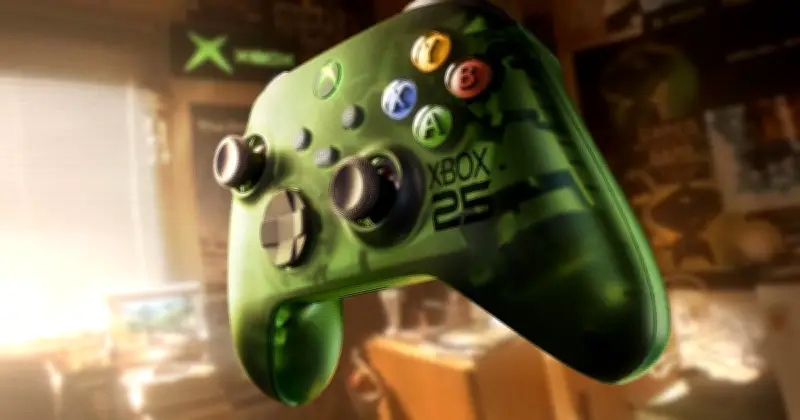
Microsoft's next Xbox console, known internally as Project Helix, is reportedly targeting a Holiday 2027 release, according to comments from Xbox CEO Asha Sharma. However, the company is tempering expectations regarding pricing, warning that the cost could be substantially higher than current consoles due to rising component costs.
Project Helix: A PC/Console Hybrid
Project Helix was unveiled earlier this year as a hybrid device that combines PC and console capabilities, allowing players to access games from Xbox, Steam, and Epic Games libraries. This marks a strategic shift for Xbox as it aims to rebuild its position in the market, currently trailing behind Sony's PlayStation.
While no official name or release date has been confirmed, Sharma's address to employees indicated that the company is targeting the 2027 holiday season for launch. The timeline was mentioned in the context of addressing concerns about hardware pricing.
Rising Component Costs Drive Price Increases
The global component pipeline has been under strain, leading to price spikes across consumer electronics. The PlayStation 5 Pro recently launched at £789.99, the Nintendo Switch 2 is expected to see a £50 increase, and Valve's Steam Deck jumped from £479 to £649.
Sharma highlighted the rising costs in her statement: "When I joined as CEO in February, the price we paid for console storage components was over 2x as high as we paid last fall. These costs have since doubled again. And as we plan for the 2027 holiday season, we expect another significant increase, taking us over 5x the prices we paid only two years earlier."
If the trend continues, the next Xbox could cost significantly more than the current Xbox Series X, which retails at £499.99.
New Business Models and Partnerships
Sharma also hinted at a new strategy for Project Helix, stating, "We are currently unable to make as many consoles as players want to buy, and we need a new business model and partnerships for hardware as we remain committed to Helix."
This could involve leveraging partnerships with other hardware manufacturers, such as ASUS, to produce OEM versions of the console, similar to how ASUS makes the ROG Ally handheld.
In an interview with Fortune, Sharma floated the idea of reintroducing payment plans for consoles. "I think we've reached a point where it will be hard to imagine that mass audiences can afford thousands of dollars to spend on a console generation," she said. "I think we'll start to see radically different business models that we never expected start to come into orbit later this year."
With services like Klarna and ClearPay gaining popularity, consumers are already familiar with spreading the cost of expensive purchases. However, the potential need for financing raises concerns about affordability and could push some gamers out of the hobby.