Britain's largest police force is urging the Home Secretary to compel phone manufacturers to render stolen devices harder to reuse, as Metropolitan Police Commissioner Sir Mark Rowley continues his campaign to turn stolen handsets into "unusable bricks."
Data Sharing with Apple
In March, Sir Mark issued an ultimatum to telecom giants, demanding action to make phones less attractive to thieves by preventing their reactivation. On Thursday, the Met revealed it has begun sharing data with Apple to monitor whether stolen handsets are reconnected to phone networks after theft.
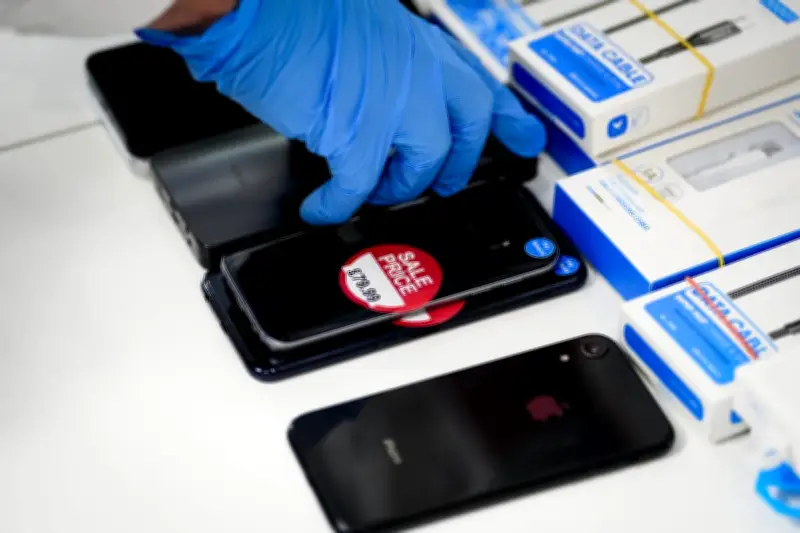
Speaking after a police operation targeting two phone shops in north London on Wednesday, Sir Mark explained that the information from Apple will help officers build a global understanding of stolen phone movements. He told the Press Association: "If we share the data we have on the stolen phone with the data they have on reactivations and future uses, we can get a global picture of phones being stolen, whether they are reactivated, broken down for parts, or exported."
Security Improvements
Sir Mark noted that a few months ago, most stolen phones were being reactivated due to security flaws. However, with recent improvements, reactivation is now less common, making it harder for criminals to profit. "That will help bring down crime further," he added.
Meanwhile, Apple announced a global change to its security settings, making "stolen device protection" a default feature. This update makes reported missing devices significantly harder to access, reset, and resell.
Phone Theft Statistics
The Met has some of the highest rates of personal robbery and theft from the person in England and Wales, with phones being a significant problem. The international trade in stolen phones is worth millions of dollars. A device stolen in London can fetch higher prices in countries like China, which lack government restrictions.
In the UK, the Met has seen Snapchat adverts offering children up to £380 to steal a single iPhone, with a £100 bonus for stealing ten.
Sir Mark said: "I gave an ultimatum to tech firms – take urgent steps to prevent stolen phones from being resold and reused, or we will call on Government to legislate. For the first time, we are routinely sharing intelligence on stolen devices, building a joint picture of how these phones move. If stolen phones cannot be reactivated, their value collapses, and so does the incentive to steal them."
Legislative Push
The Met has written to the Home Secretary requesting legislation to require phone companies to publish data on stolen devices and enforce measures to make them unusable.
In the 12 months from June 2025 to May 2026, thefts and robberies involving phones fell by 14,000, an 18% reduction from the previous year. The first five months of this year saw 6,700 fewer incidents, a drop of 20.6%. In Westminster, where 69% to 72% of thefts each week involve phones, reductions have reached 45.8% so far this year.
At a March conference on phone theft, the Met called for anti-theft protection to be enabled by default, stolen phones to be rendered unusable, and better access to IMEI data to facilitate returning devices to owners.
Freedom of Information figures show that only a fraction of stolen phones in London are recovered. Between 2017 and February 27, 2024, 587,498 phones were stolen (excluding the City of London), with only 13,998 recovered. The Met also solves a small proportion of these offences compared to others. In the year to December 2025, only 6.9% of personal robbery cases resulted in a suspect being identified, and 0.9% for theft from the person.