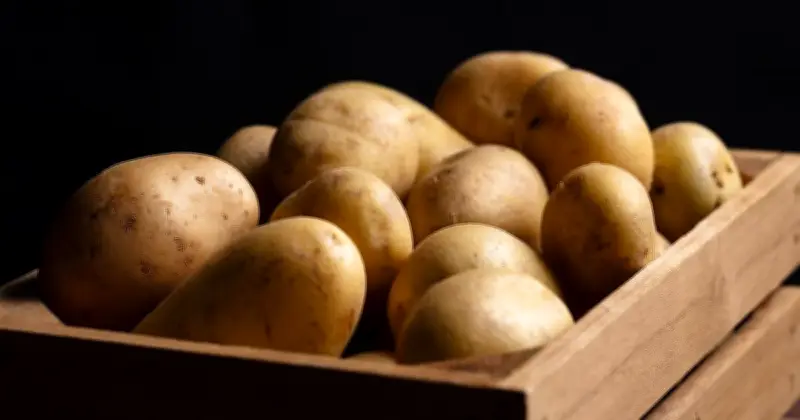
Three chefs and a storage expert have settled the age-old debate over where potatoes should be stored, unanimously favouring a cool, dark cupboard over the fridge. Chef Mike Reid, Chef Poppy Cooks, HelloFresh Senior Recipe Development Manager Mimi Morley, and storage specialist Vlatka Lake all warned against refrigeration, citing sugar conversion that leads to gritty texture and bitter taste when cooked.
Why Chefs Avoid the Fridge
Chef Mike Reid explained: "Cold temperatures convert the potato's starch into sugar, and that does two unhelpful things - it turns your spuds gritty and sweet-tasting, and if you roast or fry them, that extra sugar browns way too fast, so you end up with dark, bitter edges before the middle's even cooked." He recommends storing potatoes "somewhere cool, dark and breathable" in a paper bag or basket, and keeping them away from onions because "the gases they each give off make one another spoil faster."
Chef Poppy Cooks, known as the Potato Queen, agreed: "Potatoes should always be kept in a cool, dry and dark spot. If they are kept in the fridge they will go off and spoil a lot quicker because of the sugars in the potato reacting with the cold and moisture of the fridge." She stores hers in a little box in the food cupboard, lasting up to a week.

Storage Expert and Recipe Developer Weigh In
Mimi Morley noted that while cupboard storage is best in winter, refrigerating spuds can "significantly prolong their lifespan" during warmer months. She emphasised removing potatoes from plastic wrapping and placing them in a paper bag, and not keeping them near ethylene-producing fruits like onions, apples, avocados, bananas, peppers, or tomatoes.
Vlatka Lake from Space Station advocated for a "cool, dark place" such as a cupboard, pantry, or basement, adding: "Exposure to moisture and light can encourage spoilage and reduce their shelf life. Good ventilation is equally important. Potatoes need airflow to stay fresh, so it's best to avoid airtight containers and instead use perforated bags, mesh sacks or open baskets."
Potato Suppliers Now Recommend Fridge
Despite the chefs' consensus, leading potato supplier Albert Bartlett now advises storing potatoes in the fridge. The company states on its website: "All potatoes should be stored in a fridge for freshness. Recent research has shown that storing potatoes in the fridge can make them last up to three weeks longer, so the Food Standards Agency's advice has been revised."
Previously, refrigeration was discouraged due to concerns about acrylamide formation—a chemical produced when sugars react with amino acids at high cooking temperatures. However, the Food Standards Agency (FSA) reviewed newer studies and concluded that home refrigeration "doesn't materially increase acrylamide forming potential when compared to storage in a cool, dark place." The FSA now says consumers can store potatoes in either location to help reduce food waste.