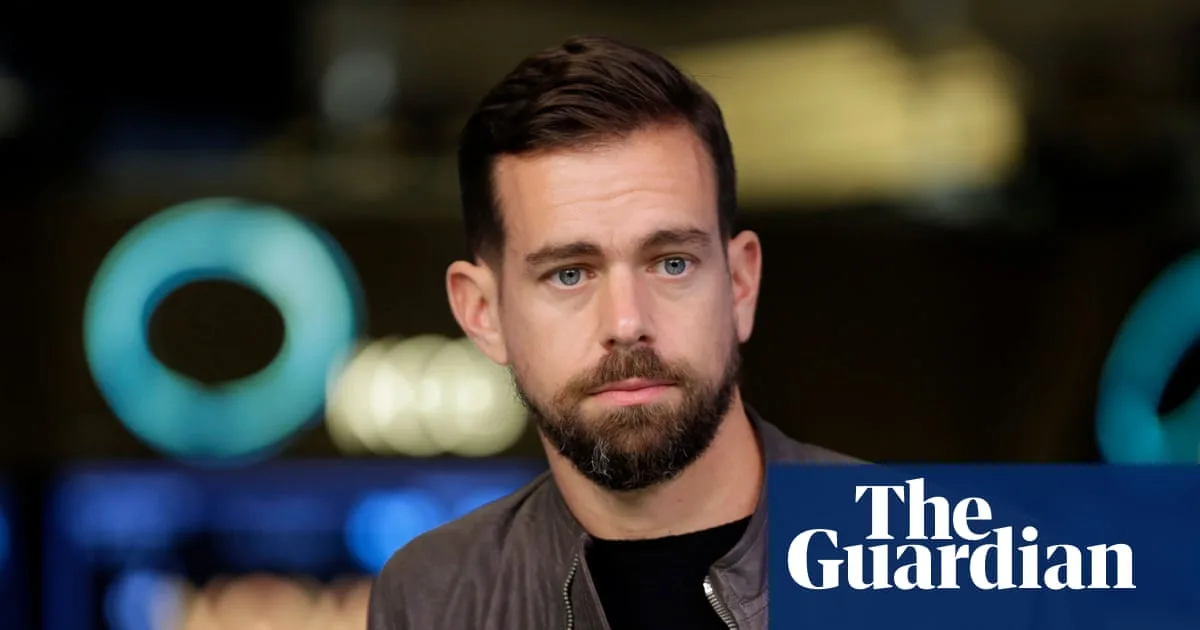
Block, the fintech company led by Jack Dorsey, has laid off around 4,000 employees, almost half its workforce, with the CEO attributing the cuts to productivity gains from artificial intelligence. In a letter to shareholders, Dorsey said a significantly smaller team using the company's own tools could do more and do it better. The announcement led to a jump in Block's share price.
However, interviews with seven current and recently laid-off workers suggest that the reality is more nuanced. Speaking to the Guardian, employees from departments including engineering and product said that while the AI tools can be helpful, they are not yet capable of replacing workers on such a scale. One former product worker, referred to as Mark, said the technology was not proactive and still required human guidance. He described the use of AI as justification for firing half the company as 'ludicrous', adding that employees had essentially been asked to train the tools that might replace them.
Another current worker, George, described the move as 'posturing for the market', suggesting it was an attempt to reposition Block away from cryptocurrency and towards AI to win back investor confidence. Dorsey has denied that the company over-hired during the pandemic and pointed to recent advances in AI models such as Anthropic's Opus 4.6 and OpenAI's Codex 5.3 as the reason for the drastic reduction. In a Wired interview, he said his goal was for the company to feel like a mini artificial general intelligence.
Block's cuts come amid wider concerns about AI-related job losses in the United States. Goldman Sachs estimated in February that AI adoption had already resulted in 5,000 to 10,000 monthly net job losses last year, and that the pace could increase this year. Inside Block, workers said that over the past nine months, using AI shifted from being encouraged to being required, and that the company had been collecting employee input on which tasks to automate.
Even those whose roles involve helping colleagues use AI expressed doubt. John, a current employee, said: 'We're just not there yet.' The company did not respond to requests for comment from the Guardian.