Amazon's Push for Humanoid Robots in Delivery Services
Amazon is reportedly in the process of developing advanced humanoid robots designed to emerge from delivery vans and handle package deliveries, with the long-term goal of potentially replacing the roles of human delivery drivers. This initiative is part of a broader multibillion-dollar investment in robotics and automation across the company's operations.
A Glimpse into Amazon's Automated Warehouse Future
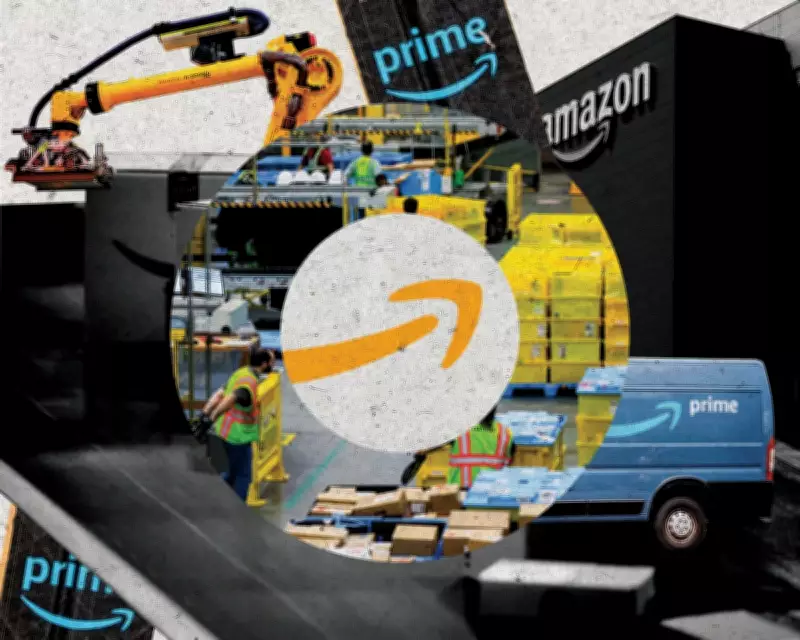
At a public tour of Amazon's Stone Mountain, Georgia, warehouse—a 640,000-square-foot, four-story facility—visitors observed various robotic systems in action. These included Roomba-like robots that transport shelves of products, an automated crane arm for palletizing items, and a robot along a conveyor belt that prints and applies shipping labels. The warehouse, which opened in late 2020, represents Amazon's ongoing shift towards automation, though specific upgrades were under construction during the tour.
Amazon offers such tours at 28 of its 1,200 US warehouses as a public relations and recruitment tool, aiming to build brand trust and address criticisms of working conditions. However, the tour highlighted ongoing issues, such as limited bathroom access for visitors, echoing broader concerns about employee welfare. Amazon spokesperson Zoe Hoffman dismissed connections between visitor experiences and employee conditions, stating that workers have regularly scheduled breaks.

Contrasting Messages on Job Security and Automation
In 2022, Tye Brady, chief technologist at Amazon Robotics, assured that robotics and AI would not lead to job elimination, citing the creation of over a million jobs in the past decade. He emphasized the enduring need for human problem-solving skills. However, by June of the following year, Amazon CEO Andy Jassy indicated that AI advancements would likely reduce the corporate workforce in the coming years.
Internal documents reported by the New York Times in October suggested Amazon plans to replace more than 500,000 jobs and avoid hiring 160,000 workers by 2027, with an ultimate goal of automating 75% of operations. Amazon denied these reports, calling them incomplete and misleading. Despite this, the company laid off about 14,000 corporate employees in anticipation of AI adoption and announced further cuts of 16,000 jobs, though Amazon claimed AI was not the primary reason for these reductions.
Employee Concerns and Training for Future Roles
Over 1,000 Amazon workers signed an open letter expressing fears that the company's rapid development of automation technology threatens jobs, democracy, and the environment. An anonymous Amazon picker and stower in northern Georgia reported that human resources functions have increasingly shifted to AI and automated systems, with reduced staff availability. Workers are being cross-trained in areas like robot repair, anticipating that their current roles may be automated due to safety concerns, such as injuries from picking and stowing tasks.
An Amazon spokesperson stated that the company is preparing employees for future roles, emphasizing investment in worker development amid technological advancements. As Amazon continues to expand its robotic capabilities, the balance between automation and human employment remains a critical issue for the e-commerce giant.