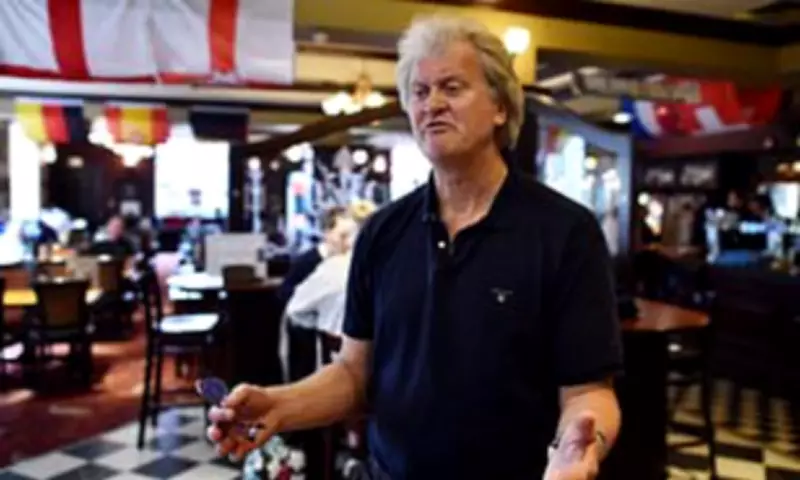
Sir Tim Martin, the outspoken founder of the JD Wetherspoon pub chain, has disclosed that every single one of his establishments now contributes more than £1 million annually to the public purse. This revelation comes in the wake of Labour's recent budget, which has implemented what many in the hospitality sector describe as a significant tax raid.
The Staggering Scale of Wetherspoon's Tax Contribution
In the most recent tax year, Wetherspoon's 794 pubs across the United Kingdom paid a colossal total of £837.1 million in various taxes. This substantial sum is derived from a combination of levies including corporation tax, business rates, slot machine duty, and the ever-contentious Value Added Tax. Sir Tim Martin himself, owing to his 26.7 per cent stake in the company, faces a personal tax bill approaching £200 million.
Speaking to The Times, Sir Tim framed the issue in democratic terms, stating: 'Taxes are a political issue. Parties put forward their ideas and voters decide… that's democracy.' However, he was quick to highlight what he perceives as a fundamental injustice, arguing: 'But the inequality between pubs and supermarkets is unfair. It is hobbling pubs.'

A Sector Under Siege
The hospitality industry has faced immense pressure in recent years, with more than 2,000 pubs closing their doors permanently over the last five years. Soaring business rates and other escalating tax burdens are frequently cited as primary culprits for this decline. Sir Tim is a vocal advocate for granting pubs specific tax reliefs to ensure their survival and prosperity.
His central proposal is straightforward: pubs should be exempt from charging VAT on meals. He points to the fact that supermarkets do not apply VAT to most food items, creating what he views as a distorted and damaging competitive landscape. 'If you had equality between pubs and supermarkets,' he contends, 'you'd find you'd have a much stronger hospitality industry in the UK, bringing in much more tax than you'd lose from the VAT cut.'
Breaking Down the £837 Million Tax Bill
According to the company's annual report, VAT stands as Wetherspoon's single largest tax expense, amounting to a staggering £411.2 million per year. This translates to an average of £517,880 per pub and constitutes nearly half of the chain's total tax contribution.
The breakdown of other major levies is equally eye-opening:
- Alcohol duty costs the chain £166.5 million annually, or roughly £209,700 per pub.
- PAYE and National Insurance contributions, which were increased in Labour's October 2024 budget, totalled £153.6 million last year, averaging £193,450 per establishment.
- Business rates, which are set to rise again this April following the November 2025 budget, accounted for £42.2 million, or about £53,150 per pub in the last financial year.
The Wider Economic Impact and Political Stance
Sir Tim expressed concern that the current tax climate could deter the next generation of entrepreneurs from starting businesses in Britain, potentially driving them towards the United States or other jurisdictions perceived as more business-friendly. The chain itself has felt the strain, with a fifth of its pubs closing since 2015 when the portfolio numbered 951, and its share price remaining more than 50 per cent below its pre-pandemic peak.
Despite these challenges, the Wetherspoon model continues to attract customers, with pubs regularly filled to capacity. Sir Tim reflected on the broader significance of his company's tax payments: 'What it gives you, which you don't really get anywhere else, is an insight into the economic value of business. It shows that if you have a Wetherspoon pub in your high street, by a raft of different taxes, it'll generate a lot of income for the country and for the town.'

Politically, Sir Tim, who was an avid campaigner for Brexit and donated £200,000 to the Leave campaign, has adopted a more ideologically driven stance in the current climate. He stated he would advise politicians from all parties that 'free trade, free enterprise and freedom of speech is best.' In a lighter moment, he extended a jovial invitation for a pint to figures including Nigel Farage, Keir Starmer, and Ed Davey, quipping that he could 'put them straight.' He even suggested former US President Donald Trump join him, with the aim of converting him to free trade after what he described as Trump's 'very, very erratic' tariff policies.