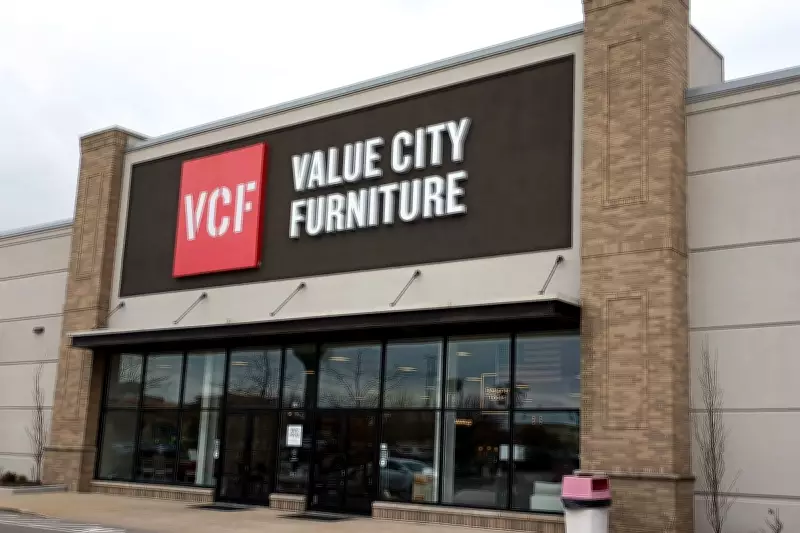
Bankrupt furniture retailer Value City could owe its customers more than $57 million for orders that were placed but never delivered, according to recent court filings and business reports. The overwhelming majority of claims originate from Value City Furniture customers who paid deposits or full amounts for furniture that was never received as stores began closing, leaving them with minimal recourse to recover their funds.
Massive Customer Claims Surface in Bankruptcy Proceedings
Consumers have now filed claims exceeding $57 million for furniture they purchased but never received from Value City Furniture. This situation arises as its parent company, American Signature Inc., winds down operations under Chapter 11 bankruptcy protection. More than 36,000 customers across the United States have submitted claims for deposits on undelivered furniture items, with many still uncertain about whether they will receive refunds or when any compensation might arrive.
Claims Expected to Increase as More Customers Come Forward
As of February 4, reported claims had already surpassed the $57 million threshold, and that total is anticipated to rise significantly as additional customers step forward with their documentation. The full extent of these consumer losses became apparent during a Delaware bankruptcy court hearing, where Judge Kate Stickles approved the sale of the business to ASI Purchaser LLC.

The claims predominantly stem from shoppers who made payments—either partial deposits or full amounts—for furniture and other home items that were never delivered before stores commenced closing procedures or began liquidating their inventory. As retail locations shut their doors permanently, numerous customers found themselves without their purchased merchandise and with limited information about how to potentially recover their money.
Unsecured Status Puts Customer Recovery in Jeopardy
The $57 million total represents what consumers are seeking in refunds or settlements through the formal bankruptcy process, raising serious concerns about how much customers will ultimately be able to recoup. In major retail bankruptcies of this nature, consumer claims are typically classified as unsecured debt. This classification means that shoppers could receive only a fraction of what they are actually owed, or potentially nothing whatsoever, depending on how the company's remaining assets are eventually distributed among creditors.
No Clear Deadline for Claim Submissions
Thus far, no definitive deadline has been established for customers to file their claims. Consumers are being directed to submit their documentation through the official bankruptcy website as the case continues to unfold. All 79 Value City Furniture stores are now in the process of closing as American Signature Inc. liquidates its 89 nationwide locations following its initial Chapter 11 bankruptcy filing in November 2025.
Broader Corporate Collapse Behind Customer Crisis
The turmoil at Value City Furniture represents just one component of a more extensive corporate meltdown at American Signature Inc. What initially began as a strategic plan to either reorganize or sell the business has since spiraled into widespread store closures and complete liquidation. This development marks a particularly stunning collapse for a furniture retail chain that has operated successfully for multiple decades.
Sale to ASI Purchaser Approved Despite Objections
ASI Purchaser, the sole bidder for American Signature Inc., is owned by the Schottenstein family and also leads other retail enterprises including DSW and American Eagle Outfitters. Their bid faced formal objections from both the U.S. Trustee and the committee of creditors. The original deal valued at $147.8 million—comprising $83.1 million in cash plus $64.7 million in assumed liabilities—was subsequently increased by $10.75 million through a settlement with creditors. Additional proceeds from property sales may potentially be shared among stakeholders.
Judge Stickles characterized the agreement as providing the "highest and best" possible return given the complete absence of competing bids. She noted that the sale was negotiated in good faith, with assistance from an independent director and external advisors throughout the process.