The UK toy industry has celebrated a significant turning point, with sales rising for the first time since the pandemic. After five years of flat growth, the market saw a robust 6% increase in 2025, reaching a total value of £3.9 billion, according to the latest annual report from market research firm Circana.
An Evolving Era of Play Drives Recovery
Analysts have hailed the figures as a major recovery, breaking a prolonged period of stagnation exacerbated by the cost of living crisis. The British Toy & Hobby Association (BTHA) described the sales picture as indicative of "an evolving era of play", where toys are now deeply embedded in wider cultural moments and enjoyed collectively by families.
This resurgence wasn't confined to the Christmas period. Kerri Atherton, Head of Public Affairs at the BTHA, highlighted consistent growth, with sales increasing every month of the year. The recovery was powered by both traditional children's toys and the rapidly expanding 'kidult' market—buyers aged 12 and over.

Top Sectors and Trending Toys
Several key categories propelled the market forward. Building sets were the fastest-growing segment, with sales soaring 25% compared to 2024, largely driven by the enduring popularity of Lego. Sets like floral arrangements and Formula One kits proved hits with adults as well as children.
Toys linked to blockbuster films saw an 11% surge, capitalising on hits like Minecraft, Pokémon, Lilo & Stitch, and Jurassic World. This category now accounts for a substantial 16% of all UK toy sales. Meanwhile, products tied to TV and streaming, such as Stranger Things and The Traitors, grew by 3%.
A standout performer was the video game-linked toys sector, which exploded by 47%, fuelled by fan demand for merchandise from Fortnite, Minecraft, and Sonic the Hedgehog.
The Rise of the 'Kidult' and Screen-Free Play
The market's strength was significantly bolstered by the spending power of 'kidults'. This demographic is now responsible for £1 in every £3 spent on toys in the UK, increasing their expenditure by 10% in 2025 to invest in premium Lego sets and collectible figures.
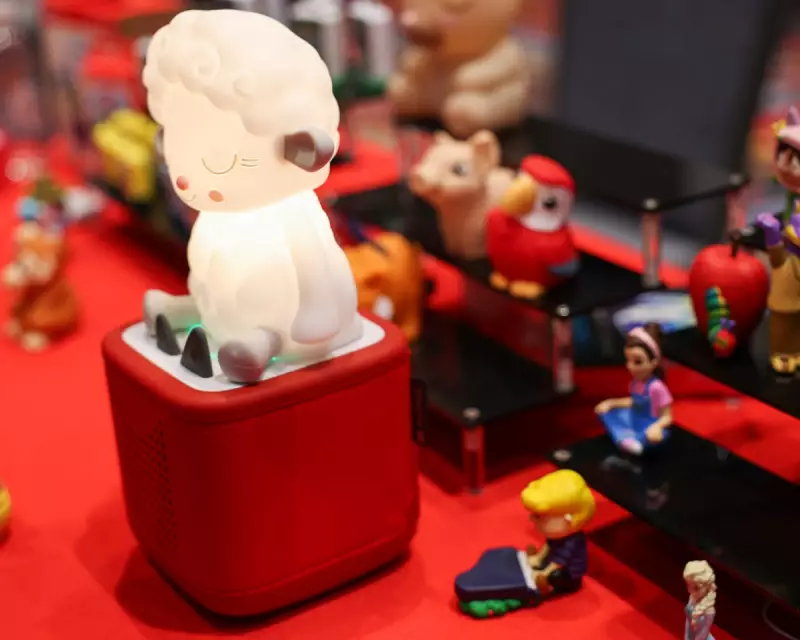
At the other end of the age spectrum, the infant and preschool category had its strongest year since 2017. Devices like the screen-free Toniebox speakers, which play songs and stories, resonated strongly with parents seeking alternatives to screens for younger children.
Melissa Symonds, Executive Director of UK Toys at Circana, noted: "As we've seen with franchises such as Minecraft, Stranger Things and Wicked, toys that allow both children and adults to engage with the worlds they love are playing an increasingly important role in bringing joy, connection, and fandom into everyday life."
The average toy price rose by 5% to £12.37 as manufacturers passed on higher costs. The most sought-after price bracket was £30-£50, while 'pocket money' toys costing under £5 were the only category to see a decline, falling out of favour with consumers.