The classic British fish and chip shop, a staple of the high street for over 160 years, is facing an existential threat and could become a rare 'niche' within the next five years, a leading industry figure has warned.
The Shrinking World of the Traditional Chippy
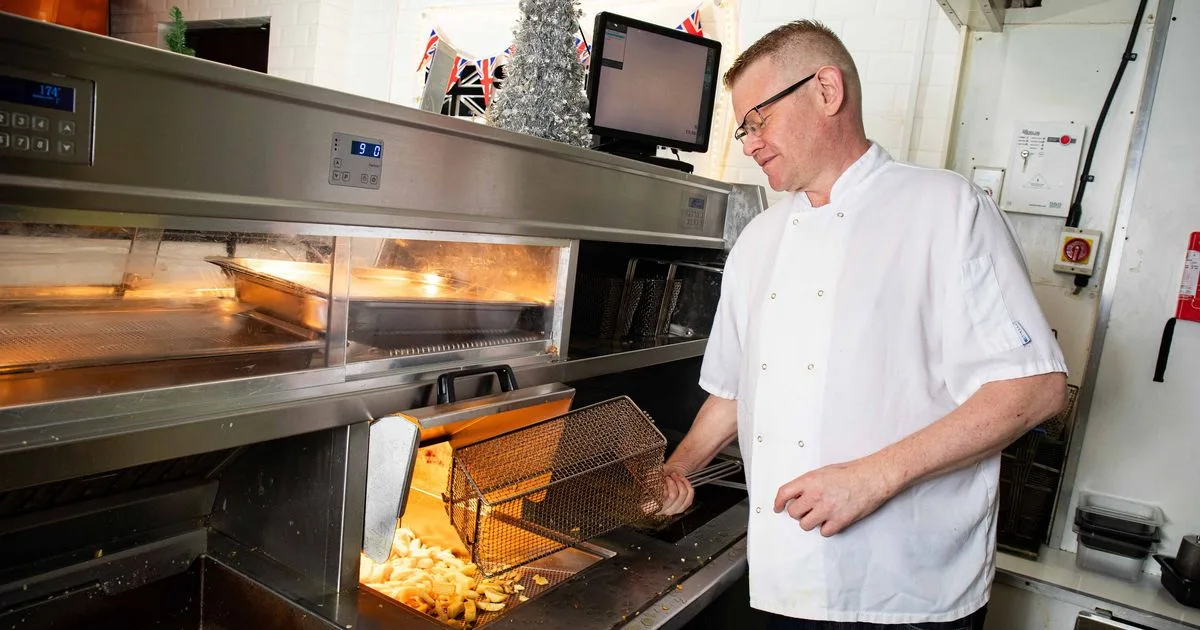
Andrew Crook, President of the National Federation of Fish Friers (NFFF), has revealed that his own shop in Euxton, Lancashire, is now one of only a handful left in the entire country that serves solely the traditional fish and chips. The stark decline from a peak of around 35,000 shops in the 1920s to just 11,000 today underscores a long-term trend, but Mr Crook fears an accelerated crisis is now imminent.
To survive, thousands of takeaways are being forced to radically diversify their menus, adding items like pizza, kebabs, curry, and burgers. "We are seeing it at an increased rate," Crook told the Manchester Evening News. "Businesses who I never thought would add the likes of burgers or loaded chips to their menus are doing so."
A Perfect Storm of Soaring Costs and Shortages
The industry is being squeezed by a relentless combination of financial and supply pressures. The most acute issue is the skyrocketing price of cod, which has nearly doubled in the past 12 months. This is driven by a severe reduction in fishing quotas. The allowable catch in the key Barents Sea, between Russia and Norway, has plummeted from one million tonnes annually to just 340,000 tonnes.
Further strain comes from UK sanctions on two major Russian fishing firms, Norebo and Murman Seafood, accused of espionage, which has tightened domestic supply. Brooke Schlipf from the Marine Conservation Society warned that the decline in cod stocks has "knock-on effects throughout the food chain" and urged consumers to consider more sustainable whitefish like hake.
Other costs are also biting hard. Official figures show the average price for a portion of fish and chips has jumped to £9.88, up from £6.48 in 2019. Key ingredients have seen dramatic inflation:
- Battered white fish: up by nearly a third.
- Cooking oil: prices risen by almost 50%.
- Potatoes: cost per kilogram up 27% in a year.
These are compounded by soaring energy bills and payroll costs, hitting small independents hardest.
Adapt or Vanish: The Fight for Survival
Faced with this crisis, the sector is at a crossroads. Mr Crook draws a parallel with traditional butchers, who survived the rise of supermarkets by focusing on top-quality produce and service. He believes fish and chip shops must follow a similar path to a more specialised, high-quality niche.
"I think fish and chip shops will become more niche over the next five years," he stated. Many are already experimenting with alternative fish like Norwegian saithe, pollock, and hake to manage costs. The competition is fiercer than ever, not just from other takeaways but from supermarket ready meals and the proliferation of delivery apps like Deliveroo and Just Eat.
Despite the dire warnings, Crook retains a sliver of optimism about the institution's cultural resilience. "As such a part of the culture it is important fish and chip shops adapt. We have been around for over 160 years and I am sure we will be around for a lot longer," he concluded. However, the coming years will be critical in determining whether the traditional chippy remains a common sight or a cherished relic.