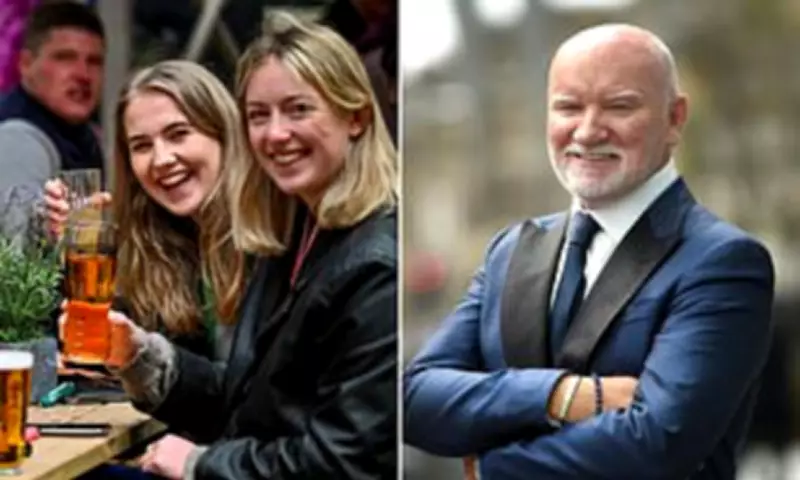
Scottish Entrepreneur Demands SNP Ministers Face Pub Ban Over Business Rates
One of Scotland's most prominent entrepreneurs has issued a stark call for SNP ministers to be barred from their local pubs and restaurants until they take decisive action to reduce the crippling business rates burden on the hospitality sector. Millionaire businessman Sir Tom Hunter has proposed this direct action as a protest against what he describes as governmental inaction on escalating bills that threaten the survival of many establishments.
Growing Pressure on Hospitality Sector
This bold demand comes ahead of a Tory-led debate in Holyrood today, which aims to champion measures to 'save Scotland's hospitality'. The debate will call for the postponement of a business rates revaluation that is projected to lead to significantly higher bills, alongside advocating for 100 per cent rates relief for all hospitality premises with a rateable value of up to £100,000.
A recent survey has underscored the mounting pressures facing Scotland's pubs and restaurants, revealing that three quarters of them experienced a decline in profits last year. This troubling trend highlights the urgent need for policy intervention to support an industry that is a cornerstone of the Scottish economy and a major employer.

Inspiration from South of the Border
Sir Tom Hunter drew inspiration from the experience of Chancellor Rachel Reeves, who was previously banned from her local pub in protest at spiralling business rates. In a video shared on social media, Sir Tom stated: 'Rachel Reeves has been banned from her local pub because of the rates. So I'm going to say up in Scotland let's start banning the people in power from their local pub, their local restaurant, until they sort the rates policy that is not fit for purpose.'
Last week, Ms Reeves announced a substantial £100 million-a-year support package for pubs in England, which includes a 15 per cent cut in business rates and a two-year freeze. This investment is expected to result in the SNP Government receiving an additional £25 million of funding through the Barnett Formula over the next three years, potentially offering a lifeline if allocated effectively.
Political and Industry Responses
Despite Finance Secretary Shona Robison pledging to provide further support for the hospitality sector, specific details have yet to be outlined, leaving many business owners in a state of uncertainty. Earlier this week, the Scottish Conservatives launched a campaign to safeguard Scotland's pubs by halting the rates revaluation and preserving essential relief schemes.
Scottish Conservative business spokesman Murdo Fraser commented: 'It's good to see Sir Tom Hunter lend his weight to the calls from the Scottish Conservatives and industry for an urgent rethink of the business rates revaluation. Pubs and other hospitality businesses are understandably sick of the SNP, who failed, year after year, to pass on the rates relief available to firms in the rest of the UK.'
He added: 'As a result, Scottish businesses have been closing faster than elsewhere, and if we don't see urgent action, more will go to the wall. John Swinney should listen to the Scottish Conservatives and give rates exemption in full to hospitality businesses in Scotland with a value of up to £100,000, and ensure this damaging revaluation is paused at once.'
Survey Reveals Deepening Crisis
A comprehensive survey conducted by the Scottish Licensed Trade Association (SLTA) paints a grim picture of the sector's health. It found that 73 per cent of outlets suffered a profitability decline last year compared to 2024, with concerns mounting over rising energy costs, national insurance contributions, and reduced customer footfall.
The survey also indicated that 72 per cent of outlets anticipate further economic decline this year, while over 86 per cent lack confidence in the economic policies of either the Scottish or UK Governments to foster growth. Alarmingly, 14 per cent of operators are considering or planning closure in the current year, with rates reform and a reduction in VAT for hospitality cited as the two most critical measures needed to support the industry.

Colin Wilkinson, SLTA managing director, remarked: 'The hospitality industry continues to face a very challenging economic environment. Even with all the furore and hype of Scotland's participation in the World Cup 2026, only 40 per cent of outlets believe extended hours during the competition will assist their business.'
He continued: 'A combination of costs rising significantly above inflation and consumers with lower disposable incomes adds up to a very difficult market for one of Scotland's key industries and major employers. One of our biggest challenges is a higher cost base, as hospitality businesses in Scotland face higher rates and energy charges than our counterparts across the rest of the UK.'
Government Stance and Future Steps
In response to the growing outcry, a Scottish Government spokesman stated: 'Our draft Budget for 2026-27 sets out a competitive non-domestic rates relief package worth an estimated £864 million that could benefit 96% of retail, hospitality and leisure businesses. An independent review of the valuation of licenced hospitality properties is being commissioned and will report by the end of this year with recommendations considered for 2029 revaluations.'
The spokesman added: 'The Scottish Government is considering the announcement made by the Chancellor offering additional support on business rates for pubs in England and the Finance Secretary has written to the Chief Secretary to the Treasury seeking urgent engagement. We are committed to passing on any consequentials in further support to business and engagement with the Non-Domestic Rates Consultative Group will take place this week.'
As the debate intensifies, the hospitality sector's call for immediate and effective action on business rates grows louder, with Sir Tom Hunter's provocative suggestion highlighting the depth of frustration among business leaders and the potential for direct action to spur political change.