Tesco Dethrones Asda as UK's Most Affordable Supermarket for Major Grocery Shops
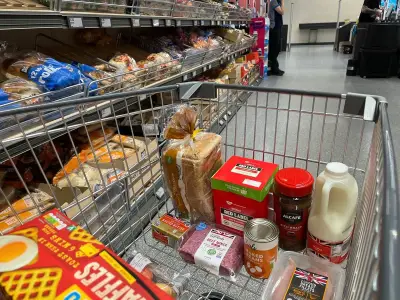
In a significant shift for British household budgets, Asda has lost its position as the UK's cheapest supermarket for a comprehensive 'big shop' for the first time in more than a year. According to the latest monthly analysis from the consumer champion Which?, Tesco, when utilising its Clubcard loyalty scheme, has now claimed the top spot.
Detailed Price Comparison Reveals New Market Leader
Which? conducts rigorous monthly comparisons, examining thousands of prices across eight leading UK supermarkets: Aldi, Asda, Lidl, Morrisons, Ocado, Sainsbury's, Tesco, and Waitrose. The research for January 2026 compiled a substantial basket of 228 grocery items to determine the average total cost at each retailer.
The findings were clear: Tesco prices, combined with Clubcard discounts, resulted in an average total of £588.96. This narrowly undercut Asda, which recorded an average of £590.41, pushing it into second place. Sainsbury's and Morrisons, also benefiting from their respective loyalty schemes, followed closely behind.
At the other end of the scale, Waitrose emerged as the most expensive option for a large shop, with a basket costing £679.20. Sainsbury's, when not using Nectar loyalty points, was also notably higher at £659.85.
Aldi and Lidl Dominate Smaller Basket Comparisons
The analysis presents a nuanced picture, however. Aldi and Lidl were excluded from the primary 228-item comparison due to their smaller product ranges. When Which? examined a more concise basket of 89 items, a different leader emerged.
Aldi secured the cheapest position for the shorter list in January, with an average cost of £164.74. Lidl followed very closely, with a price of £166.33 when using a Lidl Plus card, and £166.53 without. Tesco with a Clubcard was the next most affordable at £182.92, while Waitrose again was the most expensive at £221.53—a staggering 34% more than Aldi.
Historical Context and Retailer Responses
This shift interrupts a period of dominance for Asda on the larger basket comparison. The supermarket had maintained the cheapest position throughout the entirety of 2025 on Which?'s 'big trolley' analysis. Conversely, Aldi was crowned the cheapest supermarket of 2025 overall, leading the rankings for 10 out of 12 months, with Lidl taking the top spot in July and October.
Responding to the findings, an Asda spokesperson emphasised their ongoing value proposition: "Asda was the lowest‑priced supermarket every month in 2025 on the Which? big trolley comparison, and £50 cheaper in January on a like‑for‑like basket without loyalty pricing. Asda remains the best‑value supermarket for the big family shop with prices available to all."
Methodology and Consumer Advice
The Which? research methodology involves tracking the daily prices of up to 200 branded and own-label products over a month to calculate average item costs. These are then aggregated for each retailer. The analysis includes special offers and, since June 2024, has incorporated loyalty card prices where applicable, though it excludes multi-buy promotions.
Reena Sewraz, Which? Retail Editor, offered guidance to shoppers: "While Aldi is the cheapest supermarket this month, the ongoing price competition among the discounters means Lidl also remains a strong money-saving choice for many shoppers." She added that for consumers seeking a wider range of branded goods, "shopping at Tesco with a Clubcard can offer good value."
However, Sewraz also highlighted a potential issue with loyalty-linked discounts, noting: "It's worth noting that Tesco's loyalty-linked discounts aren't accessible to everyone. Tesco must do more to ensure under-18s and other groups who may not be eligible for the Clubcard don't miss out on those savings."
The product list for comparison encompasses everyday essentials, from popular household brands like Heinz baked beans and Mr Kipling cakes to supermarket own-label staples such as milk, bread, and cheese. The pricing data is supplied by an independent price comparison company, gathered from online prices and fieldworkers collecting in-store data.