British supermarkets are capitalising on a new health trend dubbed 'Jab-uary', launching specialised food ranges aimed at the growing number of consumers using prescription weight-loss injections.
The Rise of 'GLP-1 Friendly' Aisles
Retail giants including Marks & Spencer, Morrisons, Asda, Ocado, and the Co-op are now targeting shoppers using GLP-1 agonist drugs, popularly known by brand names like Wegovy and Mounjaro. This move marks a significant shift from traditional January campaigns like Veganuary and Dry January.
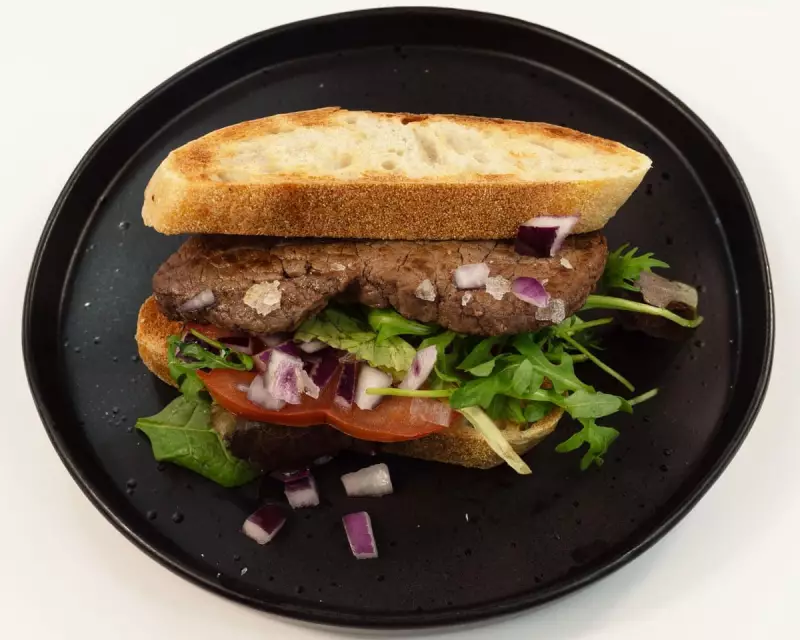
Ocado has created a virtual 'weight management' aisle featuring a curated selection of products designed to complement these medications. The range includes small 100g portions of steak priced at £3.50 and premium supplements like the £107 AG1 'powdered greens'. The online grocer reports strong demand for protein-rich staples such as steak, chicken, cottage cheese, and health supplements.

Similarly, Marks & Spencer's new 'Nutrient Dense' range of meals, snacks, and drinks, sold via Ocado, promises high nutrient content per calorie. Items like a £7 chicken satay ready meal are marketed as ideal for those 'reducing their food intake'. The Co-op is promoting 'mini meals' in 250g-280g pots for £3.50 each.
Changing Consumer Habits and Supermarket Strategy
According to Jonny Forsyth, a senior analyst at Mintel, approximately 6% of UK adults are now taking GLP-1 drugs. He notes that the hype surrounding these medications is exerting an 'outsize influence' on consumer behaviour, amplifying existing trends like high-protein diets.
Recent Christmas trading updates from major high street chains confirm this shift. Greggs' chief executive, Roisin Currie, observed customers seeking smaller portions and healthier options, while Sainsbury's CEO Simon Roberts noted a switch towards healthier choices, fresh food, and fibre among users. In response, Sainsbury's launched its 'Small but Mighty' 300g ready meal range at £3 per dish.
Tesco's chief executive, Ken Murphy, stated the supermarket is monitoring the GLP-1 trend 'very closely'. This caution is warranted; NielsenIQ data shows that while UK grocery sales value rose 2.5% in the four weeks to 27 December, the volume of goods sold actually fell by 0.2%.
Profit Pressures and Marketing Dilemmas
The widespread adoption of these drugs poses a potential threat to food industry profits. A 2024 Cornell University study found households with a GLP-1 user reduced grocery spending by 5.3% within six months, with higher-income households cutting back by 8.2%. Spending on crisps and similar snacks fell by 10.1%, with an 8% drop at fast-food and coffee shops.
Supermarkets face the challenge of marketing smaller portions without appearing to engage in 'shrinkflation'. Charlotte Derra, a fast-moving consumer goods consultant, points out that Morrisons' 280g 'GLP-1 friendly' ready meals cost the same as its 380g diet-range meals, resulting in a 35% price premium per 100g.
There is also a sensitivity around labelling. Jonny Forsyth advises that ranges explicitly branded for GLP-1 users may limit appeal due to potential stigma. He praises M&S, Co-op, and Iceland for avoiding direct references on packaging, calling it 'smart marketing'. Forsyth believes the M&S range is well-positioned to succeed, as its customer base aligns with those who can afford private prescriptions.
Mark Whalley, co-founder of Explners, summarises the competitive pressure in the £250bn UK grocery market, where product developers feel compelled to act despite an uncertain outlook for some categories. The ultimate question remains: Do consumers need entirely new products, or could they simply eat less of what they already buy?