Stonegate Sells Over 100 Pubs as Hospitality Sector Faces Mounting Challenges
One of Britain's largest pub operators has divested significant portions of its estate, highlighting the ongoing turmoil within the hospitality industry. Stonegate, which operates approximately 4,000 pubs and is owned by private equity firm TDR Capital, sold 109 pubs in the past year. This move comes as the sector grapples with financial strain, exacerbated by recent government policies and shifting consumer habits.
Financial Struggles and Strategic Shifts
Stonegate's latest financial results reveal a loss of £174 million for the year ending September, with sales declining by £128 million to £1.62 billion. The company attributes the pub sales to its "estate transformation strategy," focusing on transitioning from managed pubs to leased establishments. In the three months leading to January, revenues dropped to £476 million from £505 million the previous year, though pre-tax losses improved slightly from £37 million to £24 million.
Despite these challenges, Stonegate remains a key player in a sector still recovering from the impacts of COVID-19 shutdowns. The company's debt increased from £3.76 billion to £3.81 billion, with some proceeds from the pub sales earmarked for debt reduction. Most of the sold pubs were acquired by individual landlords, and Stonegate has not ruled out further sales, emphasizing they will be strategic rather than due to underperformance.

Labour Policies and Industry Backlash
The broader hospitality sector has been hit hard by Labour's initiatives to increase wages and raise National Insurance contributions. Critics argue these policies are stifling businesses, with Leon founder John Vincent recently stating the government is "totally killing the restaurant industry." Pubs are closing at a rate of one per day, according to the British Beer and Pub Association, which cites taxes, energy costs, and beer duty as primary culprits.
Societal changes, including reduced alcohol consumption and a trend toward drinking more cheaply at home, are also contributing factors. These dynamics have created a perfect storm for pub operators, forcing them to adapt or divest assets to stay afloat.
Leadership and Future Prospects
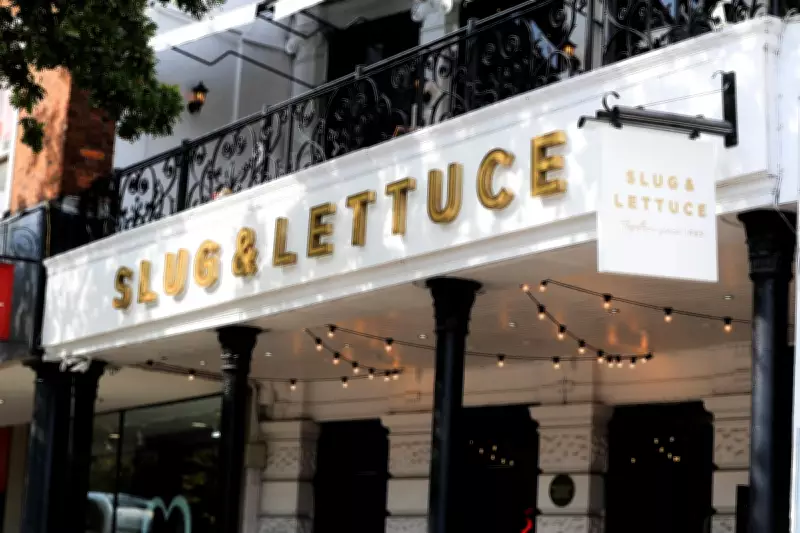
David McDowall, CEO of Stonegate, described 2025 as a "pivotal year" for the company, laying the groundwork for its transformation strategy. He emphasized that reshaping the estate is a core pillar aimed at ensuring long-term success for each pub. Stonegate's portfolio includes brands like Be At One, The Living Room, Bar Soho in the West End, and Bonds in Mayfair, alongside the iconic Slug & Lettuce chain acquired from Mitchells & Butlers in 2010.
Looking ahead, pubs are hoping for a boost from the summer World Cup, with the government permitting extended opening hours to accommodate late-night matches. However, this potential uplift hinges on England's performance generating public excitement throughout the tournament. As the hospitality sector navigates these turbulent times, Stonegate's strategic moves reflect a broader industry trend toward consolidation and adaptation in the face of economic and policy pressures.