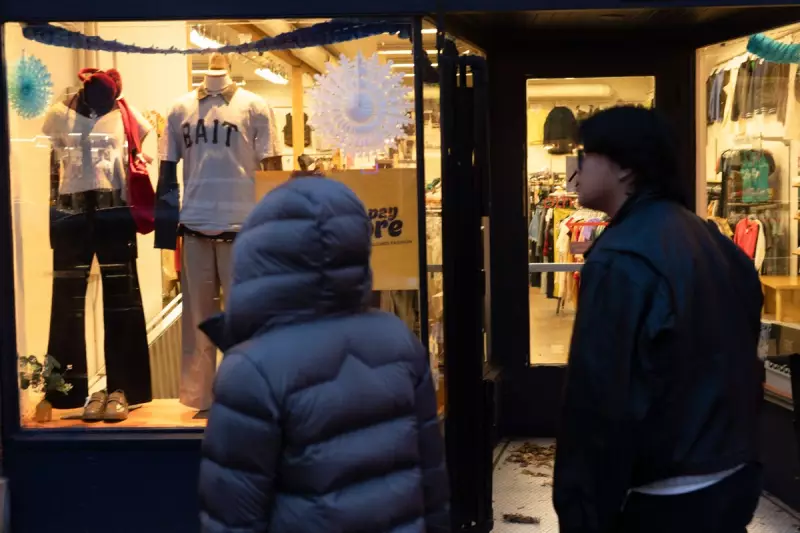
British consumers opened their wallets more freely in November, delivering a welcome boost to retailers as the crucial holiday season got underway. According to delayed figures from the Commerce Department, retail sales increased by a better-than-expected 0.6% compared to October.
Delayed Data Reveals Consumer Resilience
The key economic snapshot, which was postponed for over a month due to the 43-day government shutdown, shows a sharp rebound from a revised 0.1% decline in October. This positive shift indicates a resilient consumer base stepping up spending for the festive period. The government is now gradually publishing the backlog of economic reports that were stalled during the shutdown.
Sector-by-Sector Performance Highlights
The November gains were not evenly spread across all retail categories. Sales at clothing and accessories stores saw a robust 0.9% increase, suggesting shoppers were updating their wardrobes for holiday events and parties. Online retailers continued their growth trajectory with a solid 0.4% rise.

One of the standout performers was the sporting goods and hobby sector, which registered a significant jump of 1.9% in business activity. Meanwhile, the lone services category included in the report—restaurants—also enjoyed an uptick, matching the overall retail increase at 0.6%.
Context and Caveats of the Report
This retail sales report offers only a partial view of total consumer expenditure, as it does not encompass many service-based sectors such as travel and hotel accommodations. The figures for November build on a mixed performance in prior months, which included a 0.1% increase in September and stronger jumps of 0.6% in both July and August, following a 1% surge in June.
The stronger-than-anticipated November numbers provide a measure of optimism for the UK's retail sector heading into the peak of the holiday shopping season, suggesting that despite economic headwinds, discretionary spending remains a key driver.