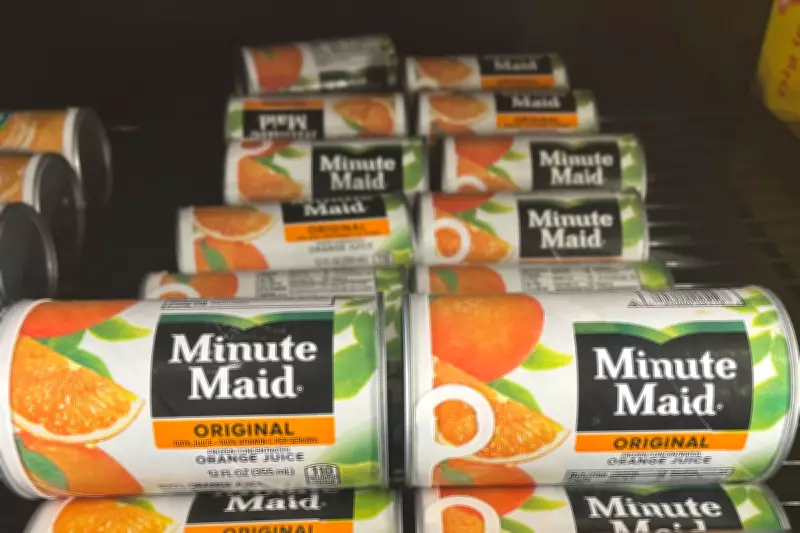
After eight decades of making orange juice a year-round breakfast essential, Minute Maid's iconic frozen canned juices are being permanently discontinued. The brand's parent company, The Coca-Cola Co., announced on Wednesday that it will halt sales of frozen juice concentrates across both the United States and Canada, marking the end of an era that began in 1946.
A Historic Shift in Consumer Habits
The decision represents a significant pivot away from a product that helped define morning routines for generations. "We are discontinuing our frozen products and exiting the frozen can category in response to shifting consumer preferences," Coca-Cola stated in an official announcement. This move reflects broader market trends that have seen frozen juice sales decline steadily in recent years.
The Frozen Legacy Unfrozen
Minute Maid's frozen juices – including several varieties of orange juice, lemonade, and limeade – will be completely phased out by April, with remaining inventory available only while supplies last. For many Americans, the familiar ritual of cracking open a can and hearing the frozen cylinder drop into a pitcher before adding water will become a nostalgic memory.

The brand's journey began when Vacuum Foods Corp. became the first U.S. company to ship frozen orange juice nationwide in 1946, naming the product Minute Maid before eventually adopting that name for the entire company. Coca-Cola acquired the brand in 1960, and thirteen years later, Minute Maid introduced ready-to-drink orange juice that could be found in refrigerated sections rather than freezers.
Market Pressures and Changing Tastes
Several factors have contributed to the declining popularity of frozen juice concentrates. The orange juice market has faced increasing competition from alternative beverages like energy drinks and protein smoothies, while poor weather conditions in major growing regions like Brazil and Florida have driven prices upward significantly. According to recent U.S. government data, a 12-ounce can of frozen orange juice cost an average of $4.82 in December, representing a 13% increase from the previous year.
Consumer concerns about added sugar in juices have also grown substantially, prompting Minute Maid to launch Zero Sugar versions of its fresh juices in 2020. Meanwhile, the broader frozen beverage category has experienced notable declines, with U.S. sales dropping nearly 8% in the 52 weeks ending January 24, according to market research firm NielsenIQ.
Focusing on Fresh Alternatives
Coca-Cola's strategic decision to discontinue frozen products allows the company to concentrate resources on the fresh juice varieties that modern consumers increasingly prefer. While rival brand Tropicana continues to sell frozen canned juice, Minute Maid's exit from this category signals a fundamental shift in how beverage companies approach the juice market.
The brand expanded its offerings over the years, adding lemonade and fruit punch to its lineup in 1980, but the frozen concentrate products have gradually lost their market position. As consumer preferences continue to evolve toward convenience and perceived freshness, this discontinuation represents both an end to an 80-year tradition and a new chapter focused on contemporary drinking habits.