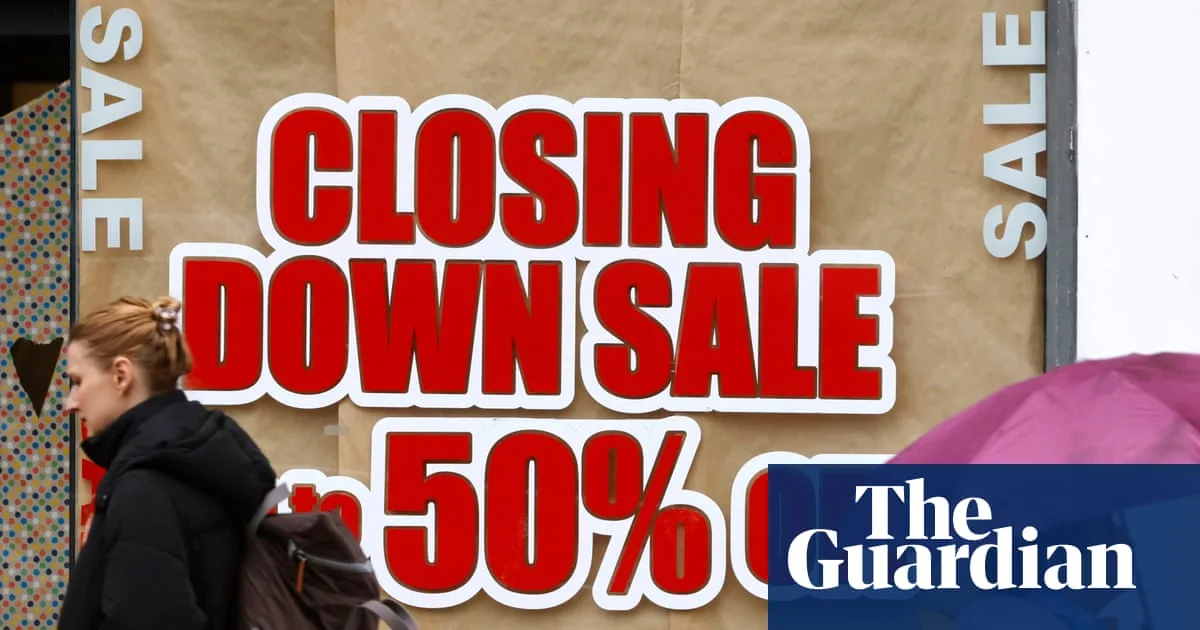
The rate of UK shop closures is forecast to rise in 2025, driven by extra costs imposed on businesses in the October budget, according to a report by PwC and Green Street. In 2024, just over 12,800 stores closed, down from 13,077 in 2023, but net closures are expected to increase as higher minimum wage and national insurance contributions take effect from April.
The report found that 9,002 stores opened in 2024, slightly fewer than the previous year, resulting in net closures of around 3,800. While the overall picture improved slightly in 2024, with net closures at their second lowest in a decade, the budget changes are expected to slow new openings and accelerate closures. Kien Tan, senior retail adviser at PwC, said many retailers are being more cautious with opening plans due to higher operating costs.
Chemists, pubs, banks, and car services accounted for half of all net chain store closures in 2024. Notable closures included Lloyds pharmacies and over a dozen Wetherspoon pubs. Bank branch closures continued, with Santander announcing 95 closures in 2025 and Lloyds Banking Group closing 136 branches. Convenience stores, led by Morrisons and Asda, expanded fastest, followed by coffee shops and budget retailers.
Consumer confidence stabilised in March after a record low in February, according to the British Retail Consortium. Households' retail spending expectations for the next three months increased, particularly for food, but spending on other items remained cautious due to job cut fears linked to the budget changes.
PwC said the rate of empty units on high streets, retail parks, and shopping centres has stabilised post-pandemic, matching the shift to online shopping. In the long term, the number of shops is expected to shrink by 2% annually as key services like banks and chemists disappear, reducing footfall.