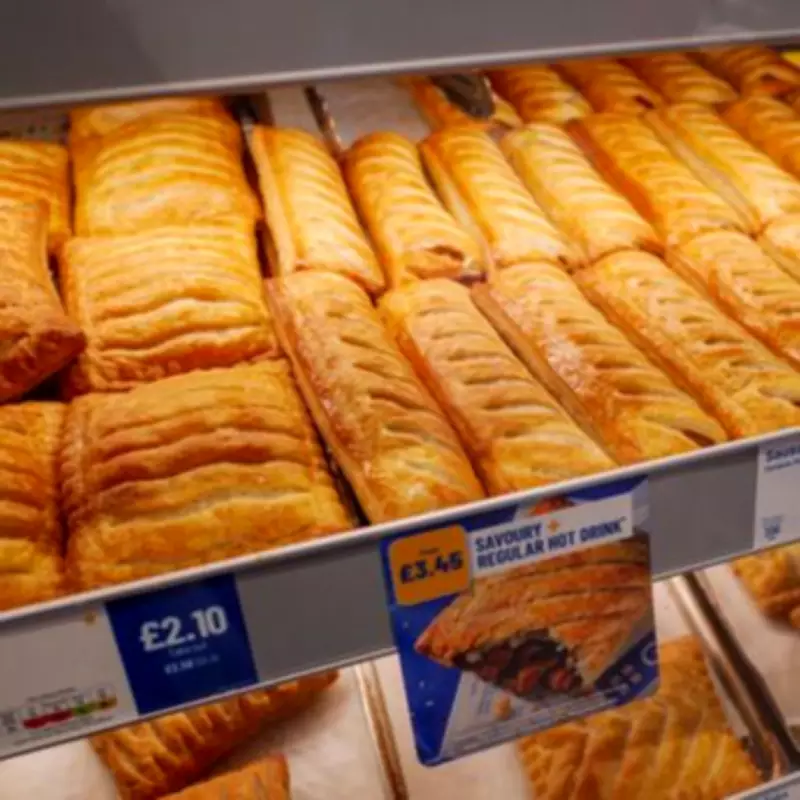
Greggs enthusiasts across the United Kingdom have been left utterly astonished after uncovering the precise meat content within their beloved bakery items, igniting a fervent debate about whether these figures meet consumer expectations or fall short of perceived quality standards.
The Shocking Discovery on Social Media
In a recent discussion on the popular Greggs Appreciation thread on Reddit, one user shared a revealing image that detailed the meat percentages in various Greggs products, prompting widespread surprise and commentary. The post highlighted that a classic Greggs sausage roll contains just 22% pork, while a steak bake features 32% beef. When it comes to chicken-based offerings, the chicken bake holds 17% chicken, southern fried chicken goujons boast 67%, and spicy BBQ chicken bites reach 70% chicken content.
Lower Percentages in Seasonal and Vegetable Options
Further scrutiny revealed even lower meat contents in some items, with the festive bake containing a mere 11% chicken and the beef and vegetable pasty also at 11% beef. These figures have led many customers to question whether they might seek alternatives from other bakery chains or if this is simply the norm across the UK's fast-food bakery sector.

Consumer Reactions and Defence of Greggs
Despite the initial shock, some users offered a more measured perspective, arguing that the percentages are based on uncooked weight, where raw dough or pastry contributes significantly to the overall mass. One commenter noted, "I'd imagine that's by uncooked weight, and raw dough or pastry is pretty heavy. Sauce and breading also have a decent amount of weight, and it's not as if chicken goujons can be using filler products instead of meat." They added that while there's obvious filler in sausage rolls, the sausage itself being 22% pork is not entirely unexpected.
Comparisons to Industry Standards
Another user pointed out that these figures are fairly typical, recalling that plain pork sausage rolls from various brands often range between 15% and 40% meat content. They expressed surprise at the higher percentages in bites and goujons, stating, "I'm kinda impressed by their bites and goujons being so high, though - I definitely would have expected those to be less!" This suggests that Greggs may actually exceed expectations in some product lines.
Criticism and Economic Realities
Conversely, some critics highlighted the economic drivers behind such formulations. One user remarked, "Meat is the expensive bit. They have a special factory where they experiment with ingredients to get the product as cheap as possible to manufacture so they can make money." This perspective raises concerns about quality, with another adding, "As long as they keep selling their products as if they were a premium brand, they will keep lowering the quality." A more blunt assessment called the sausage roll "cheap and nasty" and "all pastry," though it was acknowledged that even higher-quality sausage rolls might only reach around 40% meat content.
Loyalty Amidst the Controversy
Despite the revelations, many Greggs fans remain undeterred. One user admitted, "I've been eating the goujons this whole time not realising the chicken content of them is 67%. Whatever, the brain-rot number won't stop me from eating them." Another echoed this sentiment, saying, "22% is crazy - won’t stop me though," indicating that taste and convenience often outweigh concerns over ingredient percentages.
Broader Implications for UK Bakery Chains
This debate extends beyond Greggs, touching on broader issues within the UK's bakery and fast-food industry. It prompts questions about transparency, consumer awareness, and whether similar meat content levels are prevalent across competitors. The discussion has sparked a wider conversation about what shoppers should reasonably expect from affordable, mass-produced bakery items.
Greggs has been approached for comment on these findings, but as of now, no official response has been provided. The ongoing dialogue among consumers highlights the delicate balance between cost, quality, and expectations in today's retail landscape.