Department stores across the UK are engaged in a high-stakes battle to redefine their role in the beauty industry, as shoppers increasingly turn to TikTok for inspiration and Amazon for convenience. The competition for a slice of the colossal $129 billion (£103 billion) U.S. beauty and personal care market has never been more intense, driven by the relentless rise of e-commerce and shifting consumer habits.
The New Beauty Consultants: AI and Influencers
Shoppers like Quinn Kelsey, a 38-year-old from Denver, exemplify the challenge facing traditional retailers. She sources makeup ideas from TikTok and uses an AI chatbot as her "personal beauty consultant" for product recommendations and virtual try-ons. Her purchases are typically made on Amazon. "Department stores? They've basically lost me unless I can get the same product-research experience there that I can get scrolling through my phone at home," Kelsey stated.
This trend marks a profound shift. Once the undisputed beauty destination, department stores began losing their authority as trendsetters in the late 1990s with the rise of Sephora and Ulta Beauty. Today, Amazon is the nation's largest online seller of beauty and personal care products, according to Euromonitor International. Meanwhile, social media platforms have become primary sources for beauty guidance, with consumers seeking advice from influencers and dermatologists instead of in-store advisers, and hunting for affordable "dupes" of luxury products.

Flagship Revamps and Robotic Experiences
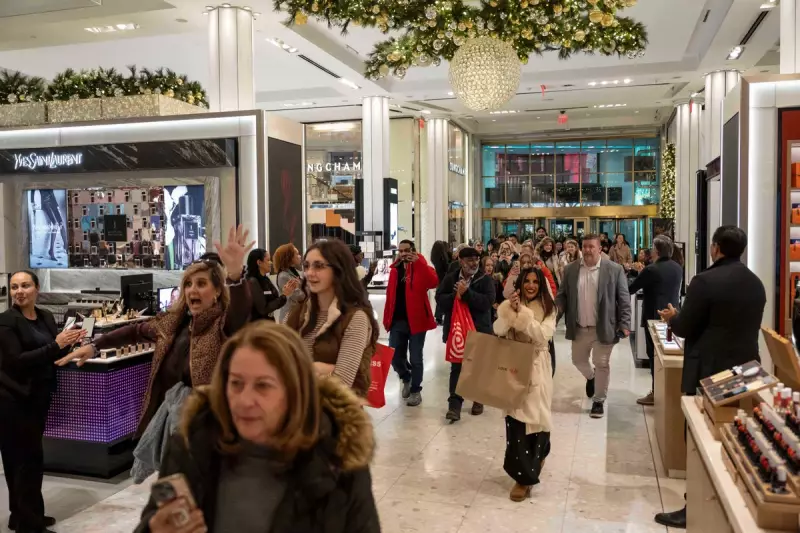
In response, major retailers with physical footprints are investing heavily in creating unique, immersive experiences. Both Macy's and Nordstrom have recently renovated the beauty floors of their flagship New York stores, adding more space, ultra-luxury brands, and cutting-edge technology.
At Nordstrom, customers can book a $170 appointment for robot-applied eyelash extensions. The store also features a "beauty bar" with self-service testers and a "fragrance finder" machine offering dry whiffs of up to 60 scents. Its New York flagship has even expanded to include a medical spa offering Botox and filler injections.
Macy's overhaul at Herald Square introduced comfortable seating, skin analysis devices, and virtual reality headsets in the Parfums de Marly section to immerse customers in an 18th-century chateau. Macy's expects to redesign beauty departments in 40 more stores, aiming to make the department store experience "intimate, friendly, and convenient," according to CEO Tony Spring.
The Broader Retail Arms Race
The innovation is not limited to department stores. Even market disruptors like Sephora are updating their 720 stores across the U.S. and Canada, moving service stations for more privacy and equipping staff with mobile payment devices to expedite checkouts.
Ulta Beauty is testing robotic manicures and plans to add robotic lash extensions next year, while Walmart has installed beauty counters in 100 stores. The competition is further intensified by the rise of social commerce; TikTok Shop, launched in 2023, is already the nation's seventh-largest online beauty seller, just behind Target. In contrast, the online market share of Macy's and Nordstrom is 1% and less than 0.5%, respectively, and declining.
The story of Ivan Leon, a 35-year-old freelance stylist, encapsulates both the opportunity and the challenge. After learning about "fragrance layering" on social media, he was engaged by a Nordstrom salesperson who suggested combining Tom Ford scents, leading to a $537 purchase. While a win for the store, Leon typically buys fragrances online, highlighting the multidimensional shopping habits retailers must now cater to in this great beauty race.