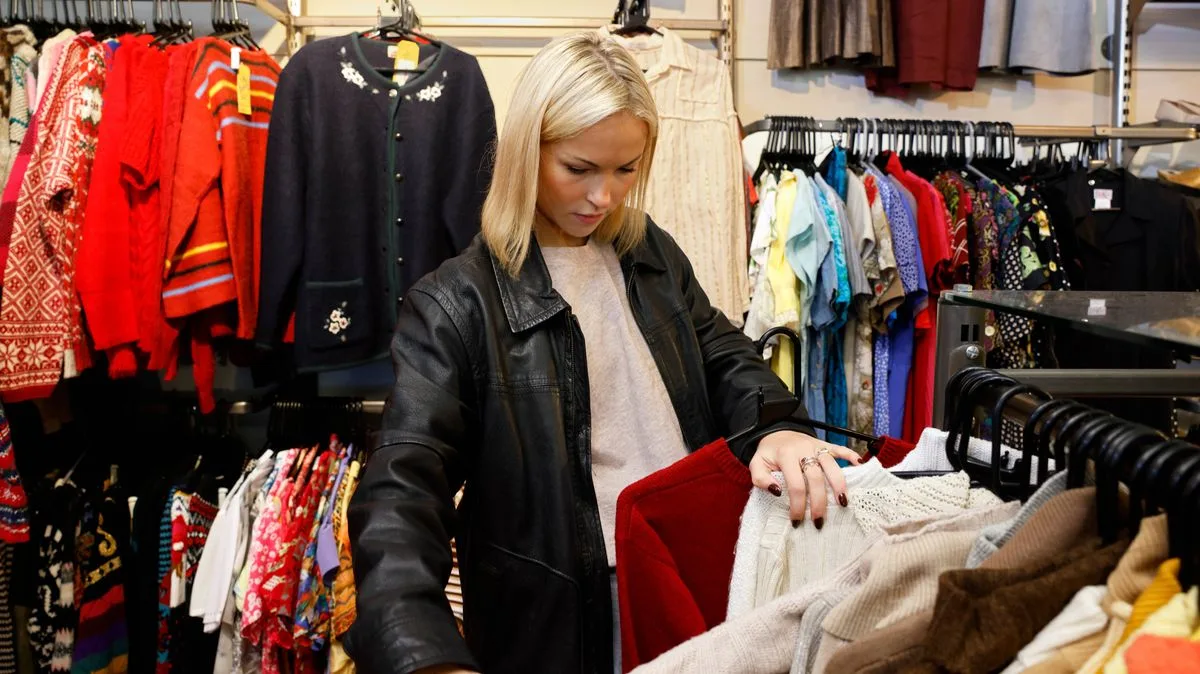
A thrifty shopper has left the online community astonished after revealing what she describes as her "best ever charity shop find" – a designer item purchased for a mere £8.50 that she claims is worth a small fortune.
The Incredible Discovery
Emily, a regular charity shop hunter and reseller, made the remarkable discovery during a visit to her local Mercy in Action branch in Saltford, near Bath. In a TikTok video that has since garnered significant attention, she enthusiastically shared details of her shopping trip, showcasing various designer items before revealing her star purchase.
"I can't believe what I found in this charity shop... it's probably the best find I have ever had since I started reselling," Emily gushed to her followers, clearly thrilled with her acquisition.
A Shop Full of Hidden Gems
Before unveiling her main find, Emily highlighted the charity shop's impressive selection of pre-loved designer goods, demonstrating that bargain hunters can discover genuine treasures if they look carefully. Among the items she pointed out were:
- A pair of leather Ugg boots
- A linen Monsoon top
- A Barbour jumper and men's wax jacket
- An alpaca-wool Marks and Spencer turtle-neck priced at £6.50
- A Modern Rarity jacket
- A Harrods top
- Peloton trainers
"I'd always recommend picking up Marks and Spencer items, especially their jumpers," Emily advised viewers, holding up the quality knitwear as an example of the value available in charity shops.
The Star Purchase Revealed
The moment of revelation came when Emily brandished a tartan-patterned item, declaring with excitement: "I know it's only January, but this is my find of the year."
She then explained: "It's a Hermès Paris two piece set for £8.50. It originally retailed for £2,900. I know it's an acquired taste, but I had to pick it up."
The dramatic price difference between what she paid and the alleged original retail value left many viewers stunned at the potential value hidden in local charity shops.
Social Media Reaction
The TikTok video prompted a flood of responses from viewers, with reactions ranging from envy to admiration and curiosity.
One frustrated user exclaimed: "Omg I was there yesterday and missed this!" while another declared: "That is such an amazing find! What a great little shop." A third simply concurred: "OMG what a find!"
However, not all comments were purely celebratory. One observant viewer questioned the item's construction, noting: "It is a nice design but why is it so shabbily constructed when you turn it around (arm/shoulder area)?"
Emily quickly clarified this apparent issue: "It's the way it was on the hanger they are literally two pieces. They are not sewn together, so it was just hung awkwardly."
Authenticity Concerns and Expert Advice
The discovery also prompted important questions about verifying the authenticity of designer items found in charity shops. One TikTok user sought Emily's advice, asking: "Can I ask how you figure out whether something is genuine and not fake? I got a bundle with a few branded items and just scared of selling counterfeit."
Emily offered practical guidance based on her reselling experience: "It's a tricky one. I am getting more and more used to what is real and fake just from experience but in this case I will get this authenticated properly. You generally need to check the quality, the labels, serial numbers etc. You can sometimes contact clothing companies too for help."
Her response highlights the importance of due diligence when purchasing and reselling designer items, even from seemingly reputable sources like charity shops.
The Thrill of the Hunt
Emily's remarkable find serves as a powerful reminder that charity shops can yield extraordinary bargains for those willing to invest time in browsing. Her experience demonstrates that with a keen eye and some fashion knowledge, shoppers can discover items worth hundreds or even thousands of pounds for just a few pounds.
The story has sparked conversations about the hidden value in second-hand shopping and the potential for significant financial gains through careful reselling. It also raises interesting questions about how such valuable items end up in charity shops in the first place – whether through donations from those unaware of their worth, or simply as part of regular wardrobe clear-outs.
As charity shopping continues to grow in popularity both for budget-conscious consumers and savvy resellers, stories like Emily's will likely inspire more people to explore their local charity shops in search of their own hidden treasures.