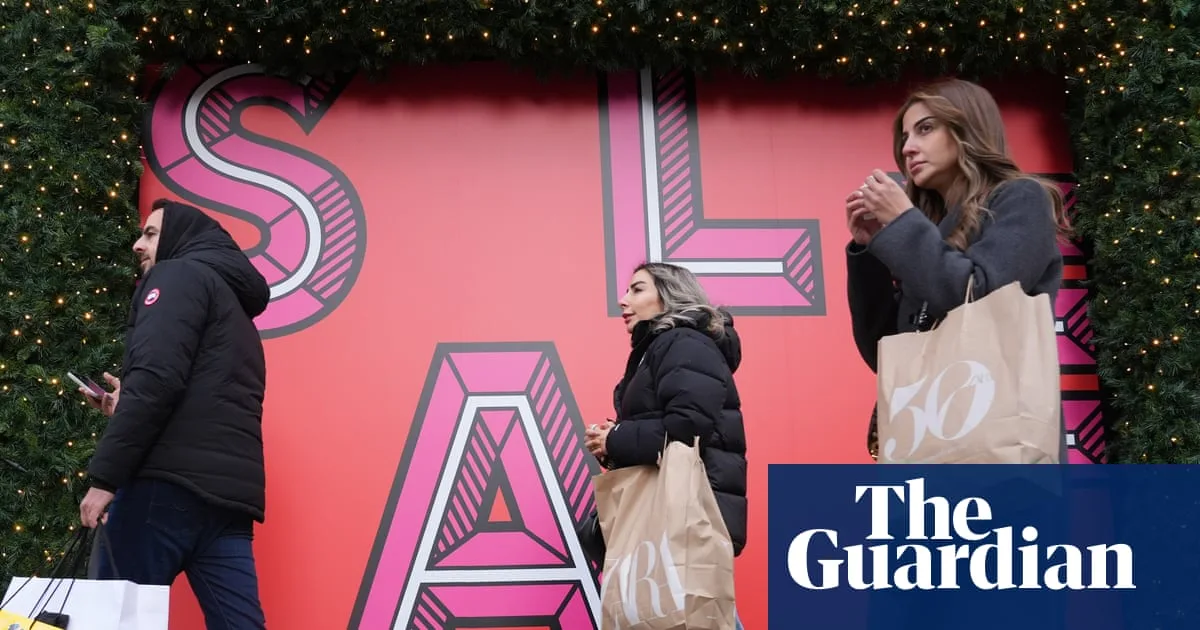
The traditional Boxing Day sales got off to a varied start across the United Kingdom, with early data painting a picture of resilient but cautious spending. While queues formed outside stores and some regions reported bustling trade, overall footfall saw a slight decline compared to the previous year.
Footfall Figures Reveal Regional Divide
According to snapshot data from MRI Software taken by lunchtime on December 26th, the total number of shoppers across all UK destinations was down 0.3% compared to Boxing Day last year. However, this represents an improvement from the same point in 2024, when footfall was down a more significant 5%.
The data highlighted a clear split between different types of shopping destinations. Out-of-town retail parks proved the most popular, enjoying a nearly 7% year-on-year increase in visitor numbers. In contrast, traditional high streets had a slower beginning, with shopper numbers down 2.4% on last year.
Jenni Matthews, a retail analyst at MRI Software, described the early indications as "very encouraging." She suggested one reason for the strength of retail parks could be their evolving offer. "As well as shops, people may have headed to them because they increasingly also have leisure facilities, from cinemas and bowling alleys," Matthews noted.
Spending Forecast and Notable Hotspots
The footfall data follows a prediction from Barclays bank that total spending on Boxing Day would be significantly lower than in recent years. The bank estimates Brits will spend £3.6 billion, which is markedly less than the £4.6 billion estimated for 2024 and £4.7 billion in 2023. This represents a drop of around £1 billion year-on-year.
Regionally, Scotland led the way with the biggest rise in footfall, up almost 7%, followed by destinations across the East Midlands, which saw a 5.2% increase. Coastal towns also enjoyed a bumper day, with visitor numbers up a strong 10%, likely aided by crisp winter weather encouraging people outdoors.
Specific locations reported busy scenes. Manchester’s Trafford Centre was doing brisk trade early on, and a line of shoppers waited outside a Boots store in Manchester city centre before it opened. In London, the picture was mixed: footfall in central London was down 7.7%, but greater London saw an increase of 3.9%. The wider south east of England also saw a drop in people out and about.
Retail Strategies and Online Shift
Not all retailers opened their doors. Fashion giant Next maintained its tradition of staying closed on Boxing Day, though its online sale began after stores shut on Christmas Eve, giving digital shoppers a head start. Other major chains did launch in-store promotions, with offers including:
- Matalan: Up to 50% off across womenswear, menswear, children's clothing and homewares.
- Argos: Savings of up to 50% on selected gifts, technology, toys, and home products.
- Currys: Price cuts of as much as 40% on electricals.
- Debenhams (online): Price reductions of up to 70%.
It is important to note that the footfall data does not capture the significant number of people who chose to shop online from home. The true measure of retail performance during the critical festive period will only become clear when companies publish their trading updates for the run-up to Christmas and the Boxing Day week.
This year's pattern continues a trend seen in recent years, where many retailers launch discount events well before Christmas Day, potentially diluting the singular draw of the Boxing Day sales.