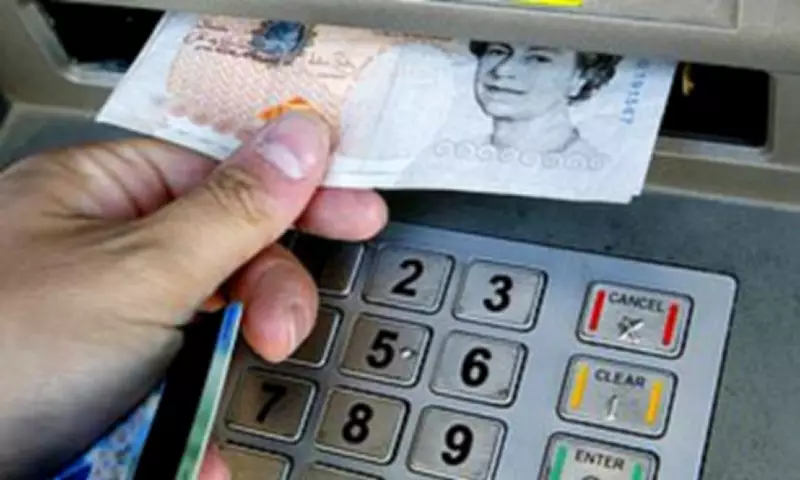
New data has revealed a dramatic decline in cash machine usage across the United Kingdom, with the average adult now making just fifteen trips to ATMs over the course of a year. This significant drop highlights the accelerating shift towards digital payment methods that is transforming how Britons handle their finances.
National Withdrawal Figures Show Steep Decline
According to the latest statistics, there were approximately 832 million cash withdrawals throughout the UK last year. This represents a substantial decrease of around nine percent compared to the previous year's figures from 2024, underscoring the rapid pace of change in consumer behaviour.
Regional Variations in Cash Usage Patterns
The research, conducted by Link, the UK's primary cash machine network, reveals striking regional disparities in how quickly communities are moving away from physical currency. Londoners have abandoned cash at the fastest rate since records began in 2019, with the average consumer in the capital withdrawing just £1,458 from machines last year – a staggering forty-three percent decline.

The rest of Southern England followed closely behind, experiencing a forty-two percent reduction in ATM usage. Meanwhile, the South West recorded a particularly notable milestone, with the average person withdrawing just £974 annually – marking the first time any UK region has dipped below the £1,000 threshold in the data series.
The UK's Most Cash-Heavy Regions
Despite the nationwide trend toward digital payments, Northern Ireland remains the most cash-dependent region, with consumers withdrawing an average of £2,249 annually. However, even this stronghold of physical currency has seen a twenty-three percent decrease since 2019.
Within England, the North East withdraws the most cash at approximately £1,604 per person, though this represents a thirty-two percent decline. Welsh consumers take out around £1,355 each year, also reflecting a thirty-two percent decrease, while Scottish ATM users withdraw an average of £1,550 – a remarkable forty percent less than before the pandemic.
The Changing Nature of Cash Transactions
Link's analysis indicates that although people are visiting ATMs less frequently, they tend to withdraw larger amounts when they do use cash machines. The network confirms that ATMs still account for the majority of cash withdrawals in the UK, surpassing both cashback transactions and counter withdrawals at bank branches and post offices.
Consumer Habits and Payment Preferences
The research provides fascinating insights into contemporary payment behaviours. Just under half of British adults – forty-eight percent – reported that they still carry a physical purse or wallet, with many preferring contactless payment methods for everyday transactions.
However, the transition to digital payments hasn't been entirely smooth. Sixty-one percent of respondents said they had experienced payment failures or system outages that forced them to abandon purchases or rely on others to pay. Despite the challenges, fifty-one percent confirmed they had used cash within the previous week, suggesting physical currency retains practical importance.
Infrastructure Changes and Future Outlook
The figures exclusively cover Link ATMs, and the company reported that by the end of last year there were five percent fewer cash machines than in 2024. Of the remaining infrastructure, 33,710 machines are free to use while 8,693 charge a fee for withdrawals.
Graham Mott, Director of Strategy at Link, commented on the findings: 'Even though usage is falling in every part of the UK, cash remains essential to millions of people. Our data shows that while digital payments continue to grow, physical currency still plays a crucial role in the financial lives of many Britons, particularly those who may be digitally excluded or prefer cash for budgeting purposes.'
The comprehensive data paints a picture of a nation in transition, where digital convenience is increasingly favoured but where cash maintains significant practical and cultural importance across different regions and demographics.