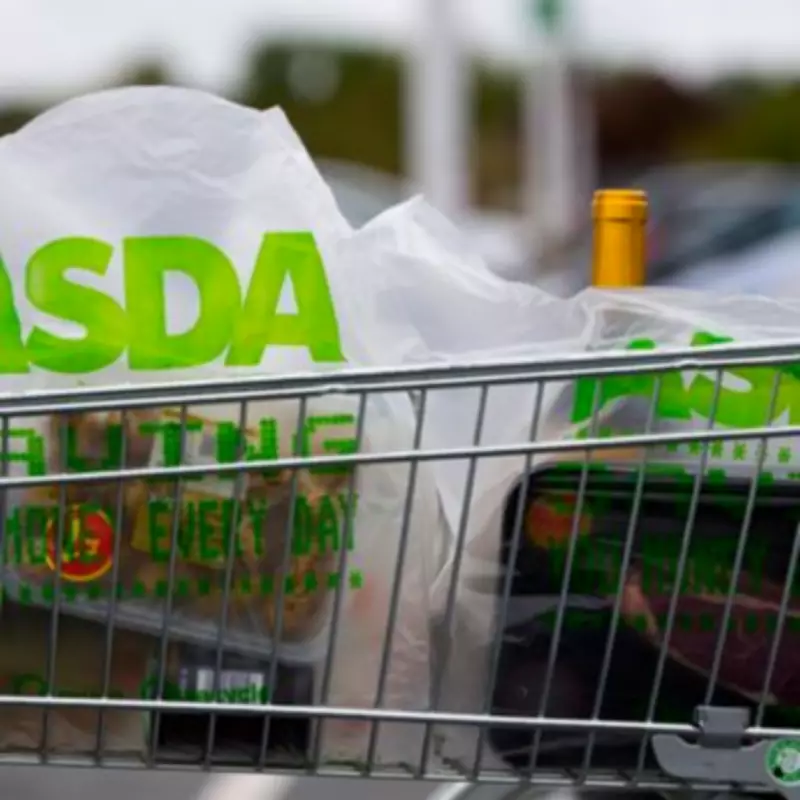
In a significant development for the UK's fiercely competitive grocery sector, Asda has lost its long-held position as Britain's cheapest major supermarket. New research from the consumer champion Which? has revealed that arch-rival Tesco has now claimed the title, dealing a fresh blow to the Leeds-based retailer which has been grappling with challenging market conditions.
A Narrow but Symbolic Defeat
The comprehensive study by Which? compared the prices of 228 popular grocery items across the UK's leading supermarket chains. The analysis found that a typical shopping basket at Tesco, when utilising the retailer's Clubcard loyalty scheme prices, totalled £588.96. This figure undercut Asda's equivalent basket by a margin of £1.45, which came in at £590.41. While the financial difference is relatively small, the symbolic loss of the 'cheapest' crown is substantial for Asda, representing the first time it has been beaten on price by Tesco since December 2024.
The Loyalty Scheme Caveat
Which? was careful to highlight an important nuance in its findings. The consumer group pointed out that while Asda's low prices are available to all shoppers without restriction, Tesco's cheapest rates are exclusively accessible to members of its Clubcard loyalty programme. This eligibility requirement means that certain demographics, including shoppers under the age of 18, would be unable to access these potential savings. For customers shopping at Tesco without a Clubcard, the cost of the same basket of goods soared to £641.09 – a substantial £52.13 more expensive than the Clubcard price and significantly higher than Asda's offering.

Broader Context of Retail Struggles
This pricing setback compounds existing difficulties for Asda, which recently announced plans to implement cost-cutting measures and streamline its management structure following a disappointing Christmas trading period. The supermarket giant, like its competitors, is operating in a highly challenging economic environment characterised by intense competition and squeezed consumer budgets.
The shift in the pricing hierarchy underscores the relentless nature of the supermarket price war, with retailers employing increasingly sophisticated strategies – such as targeted loyalty schemes – to attract cost-conscious shoppers. For consumers, the research provides crucial, timely data for making informed decisions amidst the ongoing cost of living pressures, though it also reveals the complexities and potential pitfalls of navigating modern supermarket pricing models.