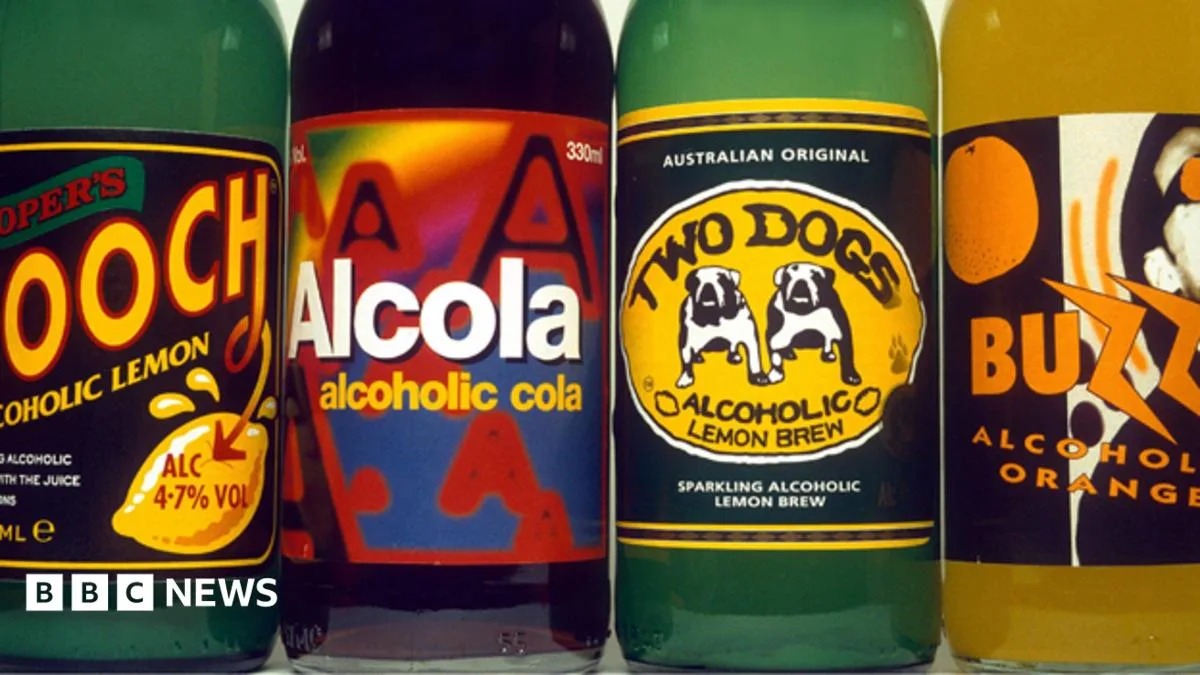
In the mid-1990s, alcopops—colourful, sugary alcoholic drinks—swept Britain. Bacardi Breezer, Smirnoff Ice, Hooper's Hooch, Two Dogs, WKD and Reef were among the brands that became ubiquitous in student unions and shops, often marketed with bright packaging and sweet flavours that critics said were aimed at children.
The backlash was swift. Newspapers decried the drinks as a cynical ploy to recruit young drinkers, and in 1996 Chancellor Kenneth Clarke imposed a 40% tax increase. Supermarket chain Iceland withdrew them, and the Portman Group, funded by alcohol producers, introduced its first code of practice to regulate marketing. A complaint from Alcohol Concern about the cartoon lemon on Hooper's Hooch led its owner, Bass, to change the packaging.
Alcohol Concern's deputy chief executive, Emily Robinson, argues the effects are still visible. Hospital admissions for alcoholic liver disease among the under-30s have risen by 112% in a decade, and people are now dying from liver disease in their twenties and thirties—something previously unheard of. "The creation of alcopops was a pretty cynical attempt to recruit young drinkers," she says.
But sociologist Dr Alasdair Forsyth, who researched the period, disputes the panic. His surveys found that while young people did drink alcopops, they were less likely to get drunk on them than on vodka or white cider. "The alcopops were too expensive for the teenagers," he says. "They wanted vodka."
The sector has since collapsed. According to retail analyst Mintel, the ready-to-drink market was worth £1bn a year in 2005 but has halved since. Industry analyst Chris Wisson attributes the decline to image: "They stopped being seen as aspirational." Drinks such as WKD may still be marketed at men, he notes, but most have moved on.