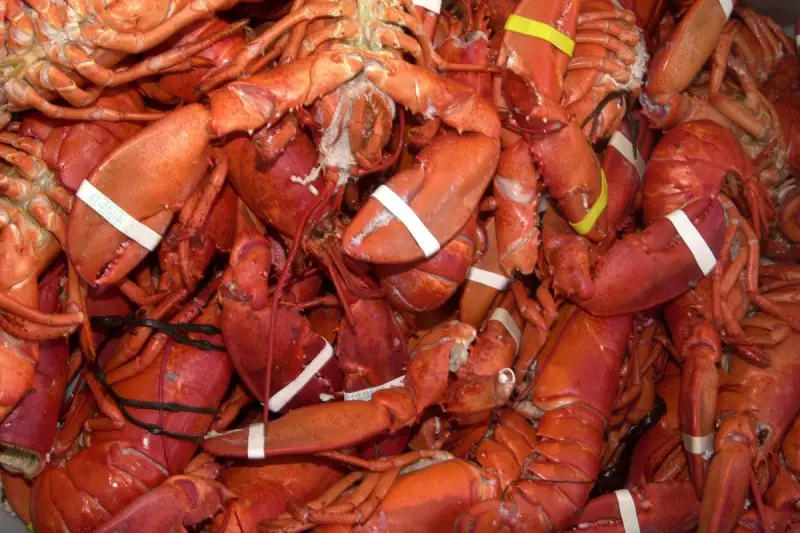
Authorities in the United States are investigating a brazen heist that saw a truck loaded with live lobsters worth an estimated $400,000 stolen while en route to Costco stores.
The Disappearing Crustacean Cargo
The bizarre theft occurred as the shipment was being transported from Taunton, Massachusetts, to Costco locations in the states of Illinois and Minnesota. According to reports from Fox Business, the truck was hijacked before it could complete its deliveries.
Dylan Rexing, CEO of the Indiana-based logistics firm Rexing Companies, which was handling the transport, confirmed the cargo vanished. He told local station WFLD that the high-value heist is suspected to be the work of an organised cargo theft ring targeting premium goods across the country.

"This is a huge issue across the country," Rexing stated. "It directly impacts businesses and contributes to higher prices for consumers."
Broader Ring of Organised Cargo Crime
The lobster theft is not an isolated incident. Federal investigators believe it is part of a sophisticated, multi-billion dollar criminal enterprise. The FBI is currently probing the case, though no arrests have yet been made.
Earlier this year, Homeland Security Investigations launched "Operation Boiling Point" specifically to combat such retail and cargo crime. Officials estimate these thefts account for staggering annual losses of between $15 billion and $35 billion for companies nationwide.
According to federal authorities, these organised groups typically target vulnerable points in the supply chain, including:
- Cargo ports of entry
- Truck stops and laybys
- Freight trains and distribution hubs
While the individuals stealing cargo may operate separately from groups that rob retail stores directly, they are often linked through "common fences" who purchase and redistribute the stolen merchandise.
Economic Ripple Effects and National Response
The financial impact is severe and far-reaching. For Rexing's company, the $400,000 loss means forgoing new hires and affecting employee bonuses. This micro-economic shock contributes to broader inflationary pressures, ultimately hitting consumers' wallets.
The problem has garnered significant attention at the highest levels. In September 2025, the U.S. Department of Transportation (DOT) formally requested information from law enforcement, freight carriers, and experts on how to better protect the nation's cargo.
In its request, the DOT highlighted the dual threat: "opportunistic 'straight thefts'" and "highly coordinated operations conducted by organised criminal networks." The agency warned that these crimes not only cause massive economic damage and disrupt fragile supply chains but can also fund wider illicit activities like narcotics trafficking and human smuggling.
As the investigation into the missing lobster shipment continues, the incident underscores the growing and costly challenge of securing goods in transit against increasingly audacious criminal enterprises.