
The Treasury has delivered a firm response to calls for a doubling of the personal tax allowance for state pensioners, following a heated House of Commons debate. The government has officially ruled out raising the threshold from £12,570 to £25,140, dashing hopes of campaigners who had gathered over 120,000 signatures on an e-petition.
Debate at Westminster Hall
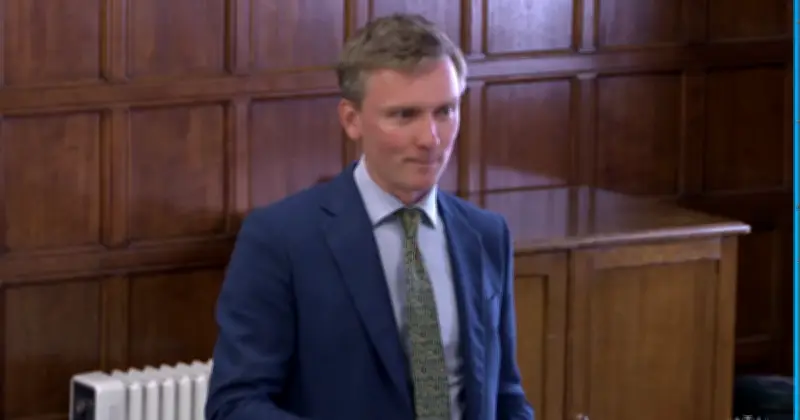
On June 15, 2026, a Westminster Hall debate saw cross-party MPs raise concerns that rising state pensions, protected by the triple lock, combined with frozen personal tax thresholds, are dragging thousands of older people into income tax. Conservative MP John Lamont, who opened the debate, highlighted that unexpected tax bills from HM Revenue and Customs or forced self-assessment can be “both distressing and deeply worrying for those hard-pressed pensioners”.
Petition Demands
The petition, created by Tim Mason, argued that many pensioners who worked hard and saved throughout their lives are finding their relatively small private or occupational pensions heavily taxed once they begin receiving the state pension. Mr Lamont stated: “There are growing concerns that increasing numbers of pensioners are finding themselves liable to pay tax on their pensions. That is because the triple lock has increased the state pension year on year, while personal tax allowances have remained frozen.”
Conservative MP Mark Garnier directly challenged the government, asking if the minister would raise the tax-free threshold for pensioners to £25,140. He noted that the state pension will soon rise above the income tax threshold due to the triple lock, meaning pensioners will have to start paying income tax. Liberal Democrat MP Charlie Maynard attacked the frozen thresholds as a “stealth tax grab”.
Government’s Response
Pensions Minister Torsten Bell delivered a clear rejection, stating unequivocally that “no political party will deliver a doubling of the personal allowance for pensioners”. He explained that such a drastic increase would cost “several billion pounds each year”, inconsistent with the government’s priorities of raising the basic state pension and rescuing the NHS. Mr Bell defended the position by noting that over 80% of pensioners were already paying income tax by the end of the previous Conservative administration, and that extending the freeze on the personal allowance was necessary for sustainable public finances.
Future Relief
While the £25,140 threshold was dismissed, Mr Bell confirmed upcoming administrative relief. The forthcoming Finance Bill will include measures to ease the burden on pensioners, ensuring they will not have to deal with the “simple assessment” process to pay small amounts of tax from 2027-28. He also highlighted that the basic and new state pensions increased by 4.8% in April, boosting pensioner incomes by up to £575 a year, and that the pension credit minimum guarantee will also rise by 4.8%.
Despite the rejection, MPs across the house concurred that pensioners who have worked hard and contributed to society “deserve dignity, security and peace of mind in retirement”.




