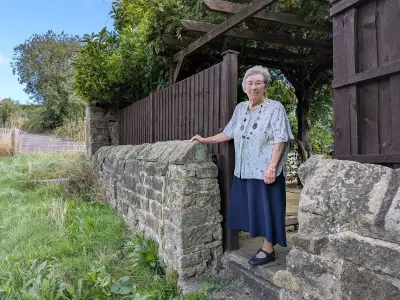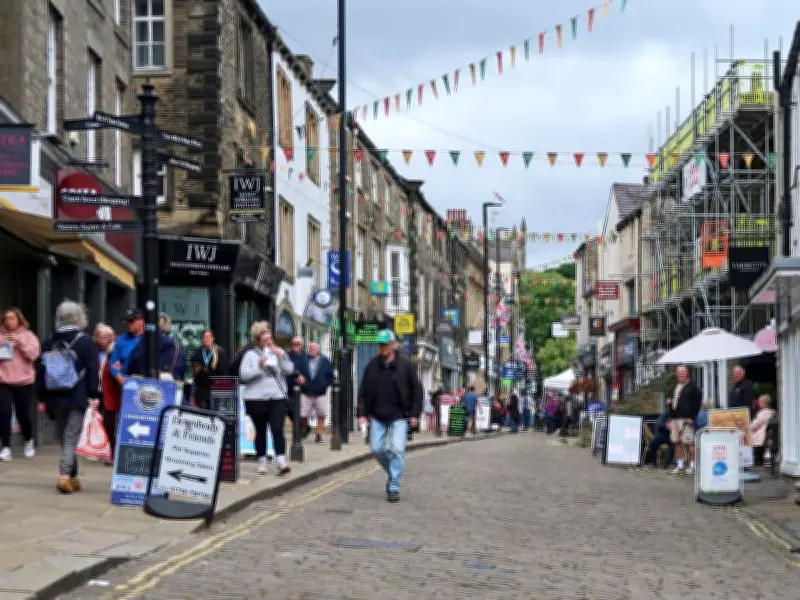
Traders in Skipton, North Yorkshire, which was named the UK's happiest place to live by Rightmove, have voiced their discontent over the challenges they face. Despite the accolade, many residents and business owners say things are not as rosy as they seem.
Challenges Faced by Market Traders
Last year, Skipton topped Rightmove's Happy at Home Index, praised for its affordability with an average house price of around £326,093. However, six months later, some residents and workers are speaking out about the realities of earning a living there.
Currently, there are 45 regular traders and 35 irregular traders operating in Skipton's market. The biggest challenges they face stem from the surge in online shopping, which has significantly reduced in-person spending.

Impact of Online Retail and Business Rates
Mohammed Saghir, who has worked in Skipton for 40 years and owns the Riviera Boutique clothes shop, blames the rise of online retail. He also highlights the burden of high business rates, calling it paying the government "for providing free air." Business rates are a tax on commercial properties like offices, pubs, and shops.
Saghir expressed sadness that independent shopkeepers lack a "single voice" as they are "scattered" across the country. Other traders echoed his concerns, noting that customers often buy goods from overseas because they are no longer manufactured in the UK—furniture being a prime example. Market trader Mark Howard also pointed to supermarkets selling cheap clothing as another obstacle for small businesses.
Pressure for Reform
The worries over business rates, which generate around £28.8 billion per year for local governments, come amid mounting pressure on the Labour government to overhaul the system in favor of smaller firms as the operating cost crisis deepens. Businesses across the UK have been battered by soaring costs and inflation, pushing many to the edge of collapse.
Parliamentary research by Oxford University's Professor Ben Lockwood and King's College London's Dr Eddy Tam suggests that reducing business rates for smaller hospitality and retail firms could boost high street occupancy levels and revitalize struggling areas. The researchers found that a 1 percentage point reduction in the tax rate via Small Business Rates Relief increased the likelihood that a property is occupied by a small business by 1.06% and reduced the chance it is occupied by a large business by 0.53%.