
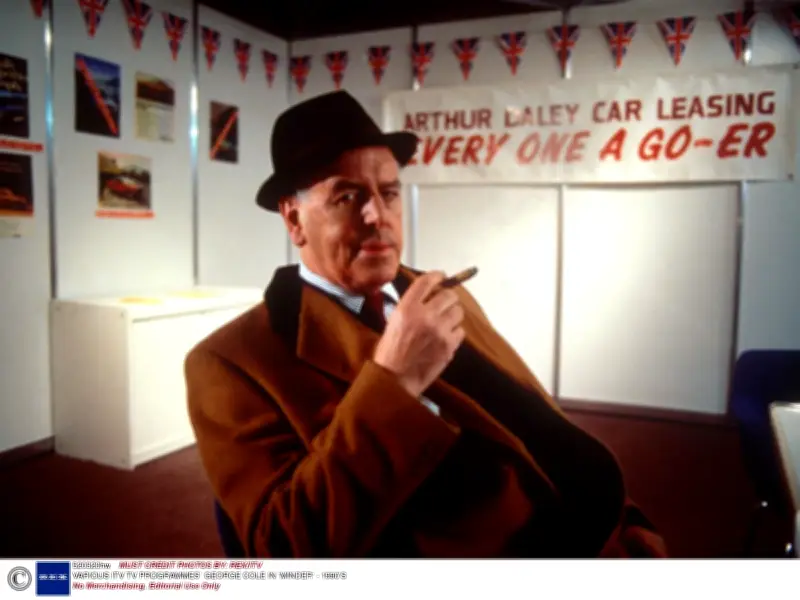
Scottish car buyers have shared their nightmares of purchasing second-hand cars online, costing them thousands of pounds. Long-distance internet sales have created a generation of online Arthur Daleys, selling clapped-out cars and refusing to engage with complaints. The rising tide of horror stories, often involving English traders, has prompted watchdog body Consumer Scotland to demand action from the Scottish government to protect car buyers, including possible new laws.
Raymond Corstorphine's Nightmare
Raymond Corstorphine, from Forfar, spent over £26,000 to buy his wife Carrie, 44, her dream car – a Range Rover Velar – from a trader in Yorkshire. After the car arrived, it turned into a nightmare, with safety warning lights appearing and the suspension collapsing. Raymond, 56, said: "It has been an absolute nightmare. This was the kind of car my wife always wanted. We were out driving when there was a loud bang. The car collapsed to the ground and we were bouncing around all over the place. It was quite scary and then when we contacted the car dealer, they said it was out of its 30-day warranty. They also said that the Consumer Rights Act did not count in our case. It is just hellish. My wife is a nurse and she really needs this car for her work."
Simon Burns' Ordeal
Simon Burns, of Achnamara, Argyll, spent nearly £3000 on a Honda CRV after spotting the car online. The car was transported more than 260 miles to him from Middlesbrough. The problems started almost immediately. Simon, 48, a site maintenance worker, said: "I checked out the car dealer and they had won awards so they seemed to be very good. I got the car delivered to Achnamara from Middlesbrough. When I got in and started the engine, the warning lights came on. A mechanic friend spotted that the exhaust was split in two. The power steering fluid was low and there was a noticeable power steering leak underneath the car. They never sent me any paperwork about the warranty. To add insult to injury, they accused me of deliberately damaging the car. The clutch seems ridiculously high and the car starts juddering at about 40 miles per hour. I don't feel safe in the car and don't want it but the trader refuses to refund the delivery charge."
Consumer Scotland's Report
Consumer Scotland, the statutory independent body set up by the Scottish Parliament, calls for an overhaul of a licensing system that is outdated and inefficient. It says tough new laws may be needed to help Scottish consumers. Their report reveals the nation’s £9.6 billion used car trade to be awash with bad actors, leaving ordinary punters with nowhere to go with complaints. Their investigation, analyzing their own survey of more than 1,000 Scottish buyers and independent complaints handled by Advice Direct Scotland, highlights "serious financial, practical and emotional harm to consumers." A shocking 32% of all used car complaints related to purchases by people in Scotland from traders in England.
Sam Ghibaldan's Statement
Sam Ghibaldan, chief executive of Consumer Scotland, said: "Most consumers have a positive experience of the used car market, but when things go wrong the impacts can be serious, stressful and long-lasting. Some consumers face a higher risk of harm, particularly those with lower financial resilience, those buying lower-value vehicles, rural consumers and people who rely heavily on their car for daily life. Our recommendations provide clear solutions to improve the market. Clearer information should reduce avoidable disputes, stronger standards should improve trader practice and more accessible redress should help consumers resolve earlier when faults arise. A fairer used-car market in Scotland should be one where consumers can make informed choices, traders meet clear standards, and people have practical routes to resolve problems when things go wrong."
Recommendations
Consumer Scotland has made a series of recommendations for improvement to a range of bodies including the Scottish and UK governments, the Financial Conduct Authority, the Chartered Trading Standards Institute, consumer bodies, regulators, licensing bodies and the industry itself. They are seeking to stiffen up regulation and enforcement of an industry that sees around 589,000 deals being completed each year. Their survey of more than 1,000 recent buyers of used cars in Scotland found more than half (53%) reported a problem, while around one third (29%) said an issue had caused them some form of harm. Although the severity of issues varied, engine and technological faults were among the most frequently reported, which can be costly, difficult to diagnose and disruptive – especially where consumers rely on the car for work, family responsibilities or access to services.
Data from Advice Direct Scotland
Separate data from advice body ADS found independent traders and cars bought at a distance were associated with a higher proportion of serious complaints, including major faults, refusal to resolve problems, misleading descriptions and poor complaint handling. The ADS data showed nearly a third of complaints cases sampled (32%) related to purchases from traders in England. Recommendations include: a stronger licensing system – potentially through legislation – with modern enforcement to deal with online and distance sales; clearer, more practical information on rights, remedies, warranties, finance responsibilities and distance sales; and redress routes that are visible, trusted and easier to use, particularly where disputes involve independent traders.
Another Victim's Story
Another Scots customer, who asked to remain anonymous, bought a car in Yorkshire but suffered problems almost immediately. When warning lights came on, he contacted the trader, who advised them to have the vehicle inspected at a garage, assuring them that any repair costs would be covered. After returning to Scotland, repairs were carried out but the situation soon worsened and the engine seized completely, leaving the car undriveable. The customer issued a formal 'final right to reject' the vehicle under consumer rights legislation – but the trader stopped responding to his messages. A £780 repair bill – initially agreed by the trader – remains unpaid, further compounding his financial loss.
Andrew Bartlett's Comments
Chief executive of Advice Direct Scotland Andrew Bartlett said: "The investigation has been a valuable collaborative effort to help consumers in Scotland. Most people have no issues when they buy a used car, but for some people there can be problems – and we are here to help them when that happens. The market is increasingly UK wide, with online marketplaces and hybrid purchasing now common. Consumer protections need to keep pace with this rapidly evolving market."
Call for Licensing Reform
Consumer Scotland is the statutory body for consumers in Scotland, which is empowered to investigate sectors or practices that may cause harm to consumers. Among its list of recommendations, the body says consideration should be given to consider wider reform of Scotland's civic licensing framework. The Scottish Government is being urged to make licensing clearer, consistent and better suited to modern markets.
Industry Response
Alan Gall, Chief Executive Officer of the Scottish Motor Trade Association, welcomed the report. He said: "The association, on behalf of its members, looks forward to working closely with Consumer Scotland to build trust, improve understanding, and drive high standards across the industry."




