
As summer arrives across the UK, gardens come alive with vibrant growth, but this seasonal flourish often brings disputes over encroaching vegetation from neighbouring properties. Property specialists at HCB Widdows Mason have provided guidance to help homeowners navigate the prickly matter of their rights regarding overhanging branches and invasive plants.
Speaking this time last year, Natalie Welsh, head of property at HCB Widdows Mason, shared advice for gardeners to help them understand the legal framework while encouraging them to preserve good relations with neighbours.
Your rights on overhanging branches
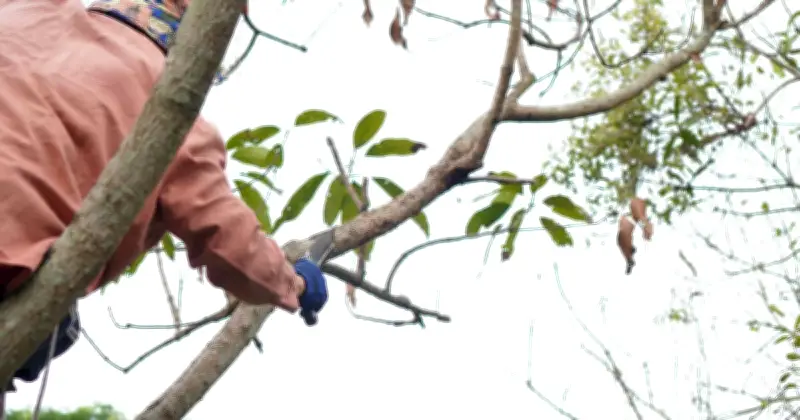
Welsh explained: "It can be really frustrating when branches or plants from your neighbour's garden start to spill over into your space. In England and Wales, you're allowed to cut back any branches that cross onto your property, but only up to the boundary line. Just make sure you don't step onto your neighbour's land or damage the tree itself."
She emphasised communication: "It's always best to have a friendly chat with your neighbour first. Let them know what you're planning, especially if you think you'll need a tree surgeon."
Who pays for the work?
If the branches overhang onto your side, you are responsible for the cost of removal, not your neighbour. Once cut, you must also dispose of the branches properly. Welsh noted: "The cut branches belong to your neighbour. You can offer to return them, but you mustn't just throw them back over the fence - that's fly-tipping, which is illegal."
If the neighbour does not want the trimmings, you must dispose of them responsibly, either in your garden waste bin or at a recycling centre.
Boundary responsibilities
Obligations for maintenance can change over time, and responsibility is often poorly documented. Welsh advised checking property title documents for 'T' marks, which typically indicate which boundaries you must maintain. If no such marks exist and the title is silent, boundaries are considered party boundaries, meaning responsibility is shared equally with adjoining properties.
"In most situations, a friendly word with the neighbour may help establish views of ownership over any respective boundary in question and avoids any disputes or misunderstandings later," she added.
Boundary disputes can become costly and acrimonious. Welsh recommended speaking to a legal expert if you are unsure about your rights or if things become tricky.




