
The UK government has confirmed the date when Freeview services could potentially be discontinued, leaving millions of households facing additional costs. Experts warn that viewers may need to pay an extra £20 per month and possibly purchase new television sets if the switch-off proceeds.
Government Confirms 2034 as Potential End Date
The Department for Culture, Media and Sport (DCMS) has stated that current licences for digital terrestrial television (DTT) are valid until at least 2034. However, no decision has been made regarding the platform's future beyond that point. This was revealed in a written parliamentary response to Labour MP Peter Lamb's query about terrestrial TV licence renewals.
Impact on 13.6 Million Households
Freeview currently serves 13.6 million homes across the UK, making it the primary television platform for 40% of households. The service relies on traditional aerials and is used by 6% of the population who do not have broadband access. Campaigners argue that a switch to internet-only TV would disproportionately affect the elderly, rural communities, and low-income families.
Jeremy Vine Show Debate Highlights Concerns
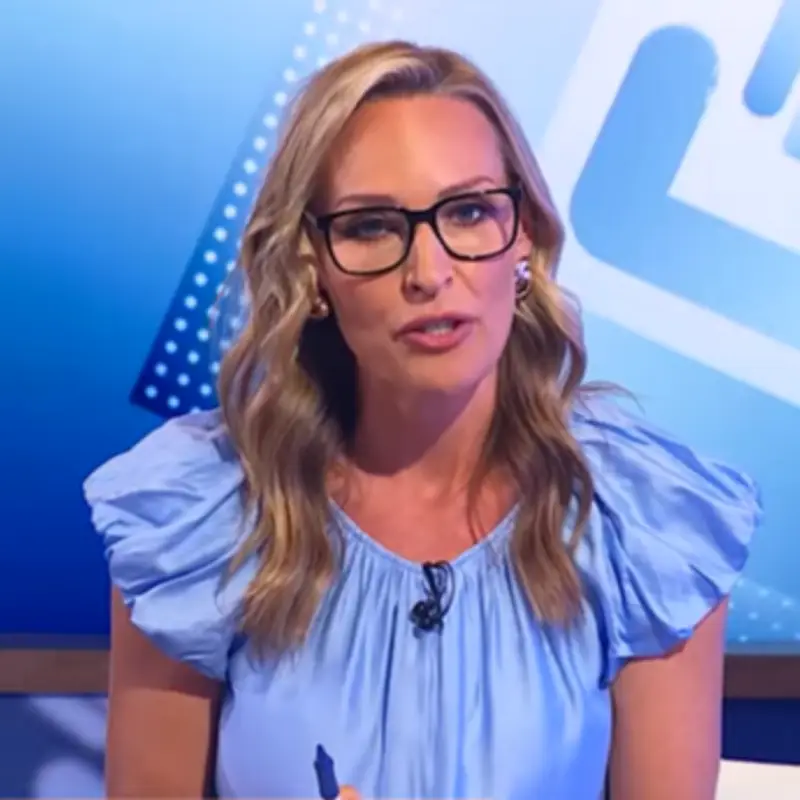
On Channel 5's Jeremy Vine & Daytime, host Isabel Webster discussed the implications with City AM's opinion editor Alys Denby. Webster noted that a petition on change.org has garnered over 151,000 signatures calling for Freeview to be preserved. She explained that without broadband, viewers would need to either subscribe to a provider—estimated at £20 per month—or purchase a compatible device or new television.
Denby argued that the transition is inevitable, as viewing habits shift toward streaming. She questioned whether petition signers actually watch terrestrial TV and highlighted the additional benefits of broadband beyond television access. Webster countered that millions without broadband may have no choice but to be cut off.
Public Reaction on Social Media
Viewers expressed concerns on X (formerly Twitter). One user described a housebound relative with learning difficulties who relies on Freeview and cannot afford broadband. Another warned that 10 million users would be forced to pay for something currently free. Others worried about internet reliability, citing instances where entire towns lost connectivity for extended periods.
Future TV Taskforce Advocates Managed Transition
The Future TV Taskforce, representing public service broadcasters and Everyone TV, supports a planned transition from DTT to internet-delivered TV, with a potential switch-off in the mid-2030s. They emphasize the need for a digital inclusion plan to ensure universal access to public service broadcasting, innovation, and long-term benefits for viewers and the UK economy.
Current Status and Next Steps
Minister Ian Murray confirmed that Parliament has secured DTT until at least 2034, but no decision has been made beyond that. The petition to protect Freeview remains open for signatures. As the debate continues, millions of viewers await clarity on the future of their television service.




