
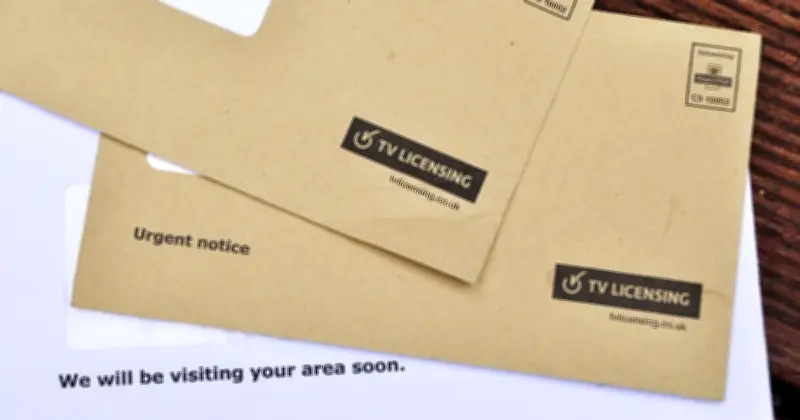
Households across the UK currently pay £180 a year for a colour TV Licence or £60.50 for a black-and-white licence after the annual fee increased on April 1, 2026. While many assume a TV Licence only covers BBC viewing, it actually applies to all live television broadcasts, including those on streaming services.
When Do You Need a TV Licence for Streaming Services?
According to TV Licensing, if you watch live TV on Amazon Prime, Netflix, or YouTube, you must be covered by a TV Licence. On-demand content, however, does not require a licence. This means subscribers could face the £180 fee depending on their viewing habits.
Amazon Prime and Netflix: Live vs On-Demand
TV Licensing states: "If you’re watching TV showing live on Amazon Prime, you need to be covered by a TV Licence. You don’t need a TV Licence if you’re only watching on demand programmes on Amazon Prime." Similarly, for Netflix: "If you are watching a TV programme that is being broadcast live on Netflix, you need to be covered by a TV Licence. You don’t need a TV Licence to watch on-demand programmes on Netflix."
YouTube and Freely
For YouTube, a licence is required for live TV programmes but not for user-generated content or clips. A YouTube Premium subscription does not replace a TV Licence. For Freely, the new streaming platform, a licence is needed for live broadcast TV but not for on-demand content, except for BBC iPlayer, which always requires a licence.
Disney Plus Exemption
Disney Plus is exempt: "You don’t need a TV Licence to watch on demand programmes on Disney Plus," according to TV Licensing.




