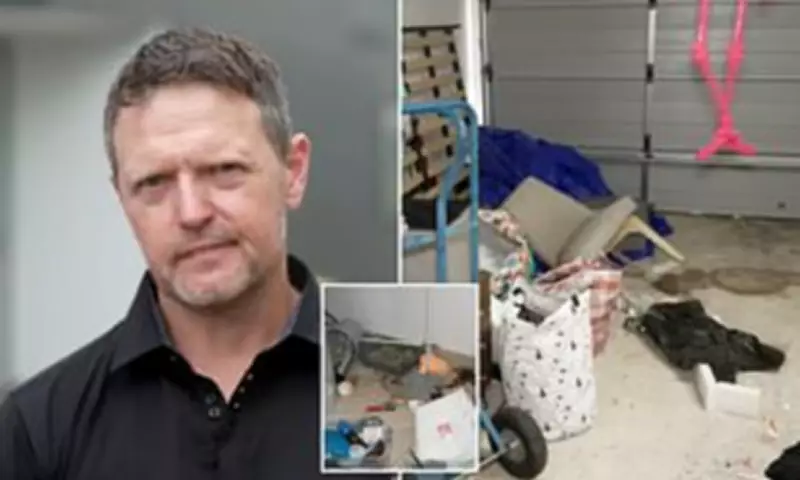
A first-time property investor in Melbourne has launched a scathing attack on Victoria's tenancy laws after nightmare renters squatted in his property, leaving him $25,000 out of pocket and forcing him to take a FIFO job to fund repairs.
Months of Legal Battles and Financial Loss
Daniel Yeats endured more than 13 VCAT hearings over several months as he fought to evict a mother and her two daughters from his rental property in Melbourne's northern suburbs. During this period, he received not a single cent in rent while the tenants repeatedly appealed tribunal rulings, with constant postponements preventing him from regaining possession until January 15 this year.
Property Transformed into Filthy Garbage Dump
When Yeats finally gained access to his property after a year of hearings, delays, and bureaucratic obstacles, he discovered a scene far worse than he could have imagined. The tenants had not only refused to pay rent but had transformed the home into what he described as a filthy garbage dump.

Fourteen cats had been allowed to roam freely throughout the property, with animal faeces smeared across surfaces, maggots crawling across floors, and an overpowering stench permeating every room. The damage was so extensive that Yeats estimates repairs will cost approximately $25,000.
System Exploitation and Financial Burden
'We are now left with a trashed property that I have to repair at my own cost, while the tenants, who were drug users, have no means to pay for the damages they caused,' Yeats explained. 'The loopholes in Victoria's current tenancy system have left landlords like myself vulnerable and financially burdened.'
Yeats emphasized that even after enduring a drawn-out legal process, property owners receive no support or compensation for the tremendous losses inflicted upon them. The damage was so severe that his insurance refused to cover the repairs, forcing him to accept a fly-in, fly-out job to fund the restoration work.
Petition Calls for Tenancy Law Overhaul
In response to his ordeal, Yeats has launched a petition on Change.org urging the Victorian government to overhaul the tenancy framework. His proposed reforms include faster hearings for severe rental arrears cases and stronger action against tenants who damage properties or refuse to pay rent.
'This is not an isolated issue,' Yeats warned. 'Many landlords across Victoria find themselves in similar situations, grappling with a system that inadequately safeguards their interests.'
Balancing Tenant Protections with Landlord Rights
Victoria's rental laws have been strengthened in recent years to improve tenant protections, particularly in a tight rental market where eviction can quickly lead to homelessness. Housing advocates argue these protections remain essential for vulnerable renters.
However, property owners like Yeats contend the changes have left landlords exposed when disputes arise. Property lawyer Justin Lawrence from Henderson & Ball Solicitors acknowledged the challenges, stating, 'It's very difficult to be a landlord in Victoria, with the laws heavily weighted in favour of tenants.'
Lawrence advised landlords to thoroughly vet prospective tenants, checking references, employment history, and even bank statements. 'I think the starting point for most laws across Australia is that they should be fair,' he added. 'If you're a tenant and you don't pay rent, you should be evicted.'
Government Response and Systemic Issues
The Victorian government has previously stated that the tribunal system aims to balance the rights of both renters and property owners. Yet Yeats and other landlords argue the current framework allows some tenants to weaponize the system, exploiting legal loopholes to avoid paying rent while causing significant property damage.
Yeats's experience highlights growing tensions in Victoria's rental market, where the need for tenant protections must be balanced against landlords' rights to protect their investments. As the petition gains traction, it remains to be seen whether policymakers will address what many property owners describe as systemic vulnerabilities in the tenancy laws.