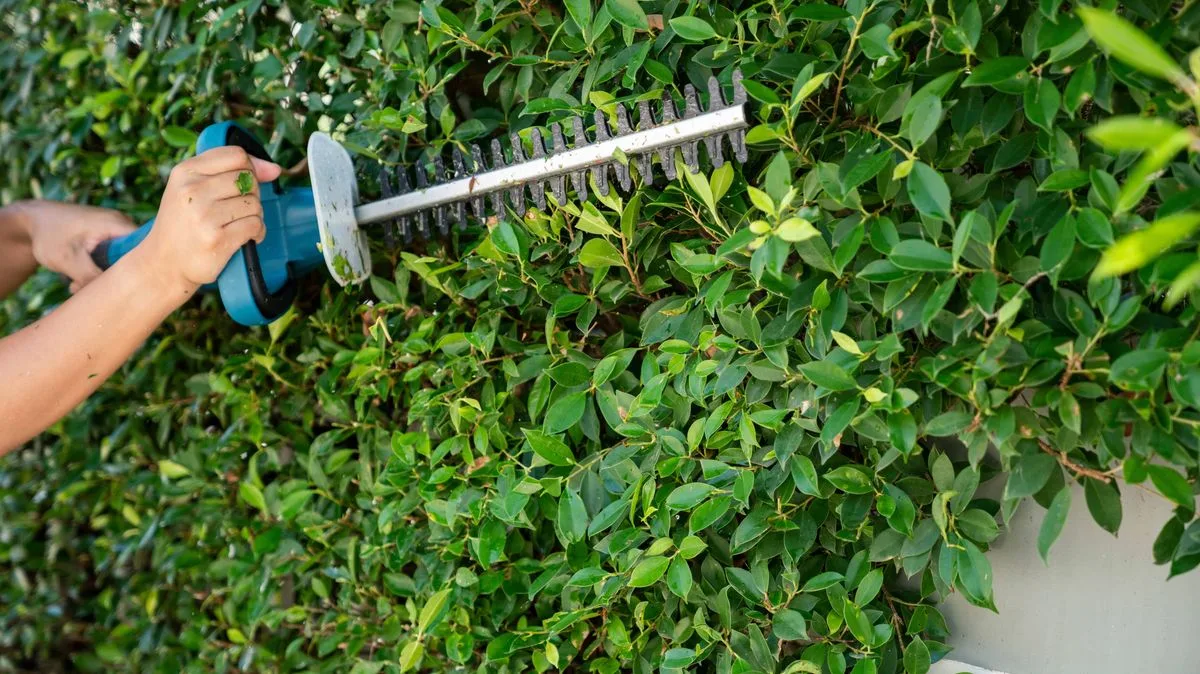
As gardeners venture outdoors this spring, many homeowners remain unaware of 'little-known' horticultural regulations that could result in substantial penalties. These rules cover maintaining hedges and fences, as well as how to handle encroaching trees from neighbouring properties.
Specialists at Yell are urging householders to familiarise themselves with these regulations to avoid fines reaching £26,000. Understanding these guidelines can also improve relations with neighbours.
Under the Anti-Social Behaviour Act 2003, if a hedge exceeds two metres in height and obstructs a neighbour's light or view, they can file a complaint with the local council. If deemed a nuisance, the hedge must be trimmed, and non-compliance can lead to fines of up to £1,000. The local authority will reject a High Hedge notice unless the neighbour has attempted to resolve the issue first.
Homeowners are entitled to prune branches that encroach onto their land, but only up to the boundary line. They should inform their neighbour beforehand and offer to return the cuttings. Some trees are protected by Tree Preservation Orders (TPOs), and unauthorised work on such trees can result in penalties of up to £20,000.
Frequent bonfires or those generating substantial smoke can be deemed a statutory nuisance. If complaints arise and an abatement notice is served, non-compliance could lead to fines of up to £5,000 for residential properties and £20,000 for commercial premises. For garden fences, responsibility typically depends on property deeds or agreements with neighbours; neglecting these responsibilities usually does not result in fines but can lead to legal action if disputes are not resolved amicably.