

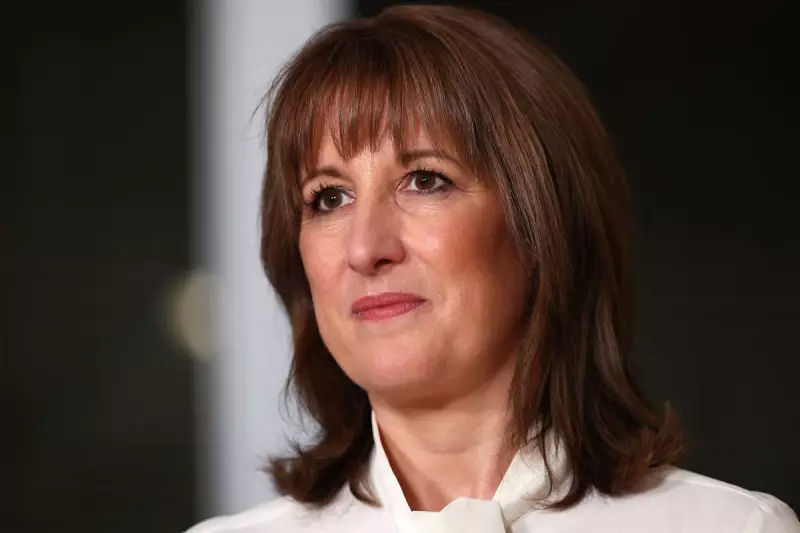
Chancellor Rachel Reeves is facing stark warnings that her new tax on landlords will severely damage the UK's rental market, pushing record-high rents even higher and causing the supply of rental homes to dry up.
Expert Warns of Market Exodus
Simon Gammon, the founder and managing director of mortgage brokers Knight Frank Finance, has issued a direct warning to the Treasury. He stated that the Budget decision to increase tax on landlords' rental incomes by 2 per cent will be the final blow for many property investors, forcing them to sell their properties.
Gammon described the situation as "like death by a thousand cuts" for the sector, which has faced a series of legislative changes. He explained the paradoxical outcome: "The nonsense is that the more properties that come to the market, the less they will be available for rental, and therefore the rents will continue to go up. Which doesn’t help anybody."

A History of Pressure on Landlords
The current crisis has been building for years. The sector was first significantly hit in 2012 when then-Chancellor George Osborne ended the ability to deduct mortgage interest payments from taxable income. More recently, new renters' rights legislation has further tightened regulations.
Gammon suggested that this latest 2p in the pound income tax hike on rents may be the tipping point. "People are just not going to go into the market or going to sell their buy to let, and that means there's less rental properties," he said. He estimates that supply in the rental sector will significantly dry up over the next two years, with the full impact being felt when landlords receive their tax bills in 2026 or 2027.
Rising Rents and Wider Concerns
This warning comes against a backdrop of soaring rents across the UK. In the past two years, average rents have risen by 8 per cent in 2023 and a further 9 per cent in 2024. London experienced the most severe increases, with rents jumping by 11.5 per cent last year alone.
Concerns are echoed across the industry. Ben Beadle, chief executive of the National Residential Landlords Association (NRLA), stated that the government is "pursuing a policy that the Office for Budget Responsibility has made clear will drive up rents." He highlighted the urgent need for almost one million new rental homes by 2031, a target this policy jeopardises.
Nick Neale, Director at Emoov, agreed, stating the tax "will almost certainly lead to higher rents" as landlords can no longer absorb rising costs.
However, the Renters' Reform Coalition (RRC) welcomed the tax changes. Tom Darling, director at the RRC, argued it is "only right that those with the broadest shoulders - which in England usually means those who own multiple properties - should bear more of the load." Conversely, Ben Twomey of Generation Rent questioned the claim that rents would rise further, pointing out that many landlords without mortgages are already charging the maximum the market can bear.
A significant point of contention is that the Treasury's own impact assessment for the new tax, seen by The Independent, failed to consider how it would affect rental supply or costs for tenants.






