

Mansion Tax Targets Prime London Neighbourhoods
Chancellor Rachel Reeves has unveiled a new annual 'mansion tax' that could see homeowners in some of London's most exclusive postcodes facing bills of up to £7,500. The charge will apply to properties valued at over £2 million, with analysis revealing the disproportionate impact on wealthy central London neighbourhoods.
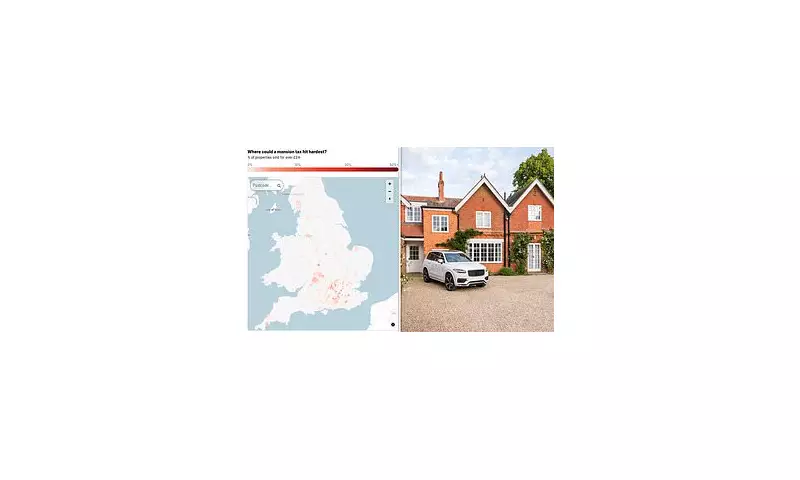
According to Daily Mail analysis, residents in areas like Knightsbridge, Belgravia and Hyde Park face the highest exposure, where 63% of homes sold in the 12 months to August fetched £2 million or more. In Marylebone and Park Lane, the figure was 43%, while Wimbledon Common recorded 41% of properties selling above the threshold.
Regional Disparity and Political Backlash
The tax will be implemented by revaluing 2.4 million of the priciest homes across council tax bands F, G and H, with approximately 100,000 properties expected to be affected. Properties that have gained significant value compared to market averages or inflation also risk moving up a council tax band.

However, the policy has exposed stark regional divides. The analysis shows that in 90% of middle-layer super output areas across England, not a single home sold for £2 million or more during the same period.
The South East has around 645,000 homes in the top three council tax bands, compared to just 43,000 in the North East, according to official data. This contrast has led to warnings that families across the South will feel 'singled out' to pay for government spending.
Property Market Concerns and 'Asset-Rich, Cash-Poor' Dilemma
Property experts have raised significant concerns about the tax's impact. Amy Reynolds of Antony Roberts estate agents told the Daily Mail: 'In areas like Richmond, a £2m valuation doesn't equate to extraordinary wealth — it often just reflects decades of organic price growth.'
She highlighted the particular strain on long-term owners who are 'asset-rich but cash-poor', especially older residents no longer earning. The property expert described the mansion tax as 'regionally unfair' due to its focus on 'perfectly ordinary family homes' in London.
Nick Leeming, chairman of Jackson-Stops property experts, expressed concern about wider economic consequences: 'What concerns me is the greater economic consequences beyond the Chancellor's tax grab, leaving £2m homeowners who are mortgaged having the potential to slip into negative equity as prices realign.'
Under the scheme, homeowners are expected to be allowed to defer payment until they move house or die, aiming to prevent forced sales to cover the tax burden.
How the Mansion Tax Will Work
The new charges will take effect from April 2028, with property values calculated using 2026 prices. The levy will be additional to existing council tax liability and includes four bands:
- Properties valued between £2m-£2.5m will pay £2,500 annually
- £2.5m-£3.5m properties will pay £3,500
- £3.5m-£5m properties will pay £5,000
- Homes over £5m will face the maximum charge of £7,500
The measure is estimated to raise £400 million for the Treasury in 2029-30, with revenues flowing to central government rather than local authorities.
The policy represents the closest the government has come to implementing a form of wealth tax, addressing calls from left-wing opponents while maintaining Labour's commitment to protect 'working people' in bands A to E.






