

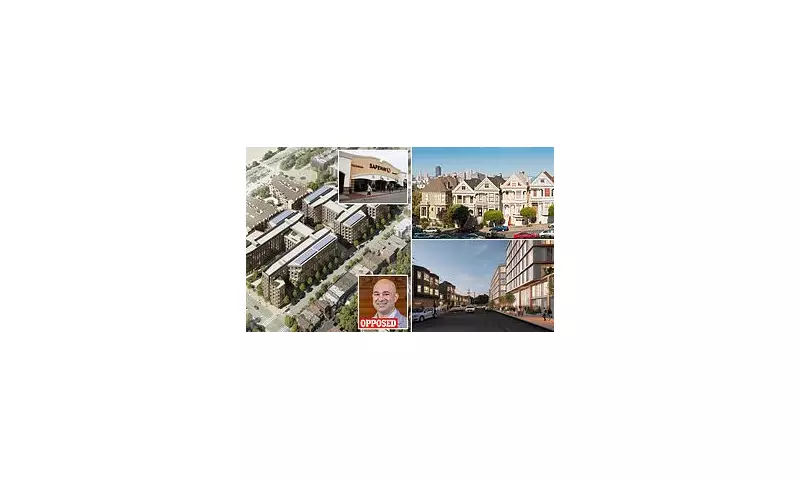
A long-vacant Safeway supermarket in San Francisco's affluent Fillmore District, where average house prices hover around $1.1 million, is slated for demolition to make way for a major new luxury housing development. The project promises to triple the amount of housing built in the area over the last two decades, but it has ignited fierce debate over gentrification in a neighbourhood with a deeply painful history of racial displacement.
Community Demands: A Grocery Store is Non-Negotiable
The closure of the Safeway in February 2025, following repeated theft and safety concerns, left a critical gap in the community. It was the area's only full-service grocer and had served residents for 40 years, staying open an extra 11 months due to public pressure after initially planning to shut in 2024. Now, local activists and District Supervisor Bilal Mahmood are adamant that any redevelopment must include a replacement supermarket. Mahmood has called the absence of a new grocery store a definitive "deal breaker."
"We really appreciate that Align has listened to the community," Mahmood stated, referring to Align Real Estate, the developer. "We are happy that they are submitting an application with a permanent store in mind." Preliminary filings indicate that grocery chain Smart & Final has bid to occupy the new retail space.

Plans for 1,800 Apartments and a Painful History
According to permits filed for 1335 Webster Street, the project proposes 1,800 new apartments across four buildings, with a central plaza and underground parking for roughly 500 cars. The developer states that approximately 15 percent of the units will be designated as affordable housing. In a statement, Align Real Estate said the design focuses on "access, sustainability, and community," reflecting a "commitment to a more affordable and inclusive San Francisco."
However, community leaders like Reverend Amos Brown remain sceptical, viewing Safeway's departure as a betrayal. In a past op-ed, Brown wrote scathingly: "In the Fillmore, Safeway has a much different message for the San Francisco neighborhood's Black community. We don't care about you. Goodbye, and good luck finding groceries where you live."
This sentiment is rooted in a troubled past. The Fillmore was once known as the "Harlem of the West," a vibrant hub for Black culture and jazz. That community was largely dismantled by urban renewal projects in the 1960s and 1970s. Earlier, during World War II, the neighbourhood's Japanese-American residents were forcibly removed and interned, returning after the war to find their homes and businesses gone.
A City-Wide Trend and the Fight for Essentials
While city officials work on establishing interim food access programmes, the Fillmore development is part of a larger pattern. Align Real Estate has announced plans to file applications for an additional 3,500 new homes across the city by redeveloping other Safeway sites, with 500 of those earmarked as affordable.
The core conflict in the Fillmore encapsulates San Francisco's broader housing crisis: the urgent need for more homes versus the risk of pricing out existing communities and removing essential services. The success of this project, in the eyes of its residents, hinges not just on new housing but on restoring the fundamental amenity it took away.






