Iran's supreme leader has publicly acknowledged that thousands of demonstrators have been killed during a brutal state crackdown, admitting some died in what he called an "inhuman, savage manner." The stunning admission comes as former US President Donald Trump branded the Ayatollah a "sick man" for authorising the violent response to nationwide unrest.
Khamenei's Admission and Trump's Fury
In a rare and grim statement, Supreme Leader Ayatollah Ali Khamenei confirmed the scale of the fatalities on 18 January 2026. He stated that thousands had lost their lives, but sought to shift blame, accusing the United States of responsibility for the deaths. This confession followed a week where Trump had initially praised Iranian leaders for reportedly halting the executions of hundreds of detained protesters.
The political dynamic shifted sharply when the full extent of the crackdown became apparent. Donald Trump responded with fury, directly targeting Khamenei with his "sick man" insult over the approval of attacks on civilians. The Iranian regime, in turn, has labelled Trump a criminal for his vocal support of the protest movement.

Protests Evolve from Economic Grievances to Regime Challenge
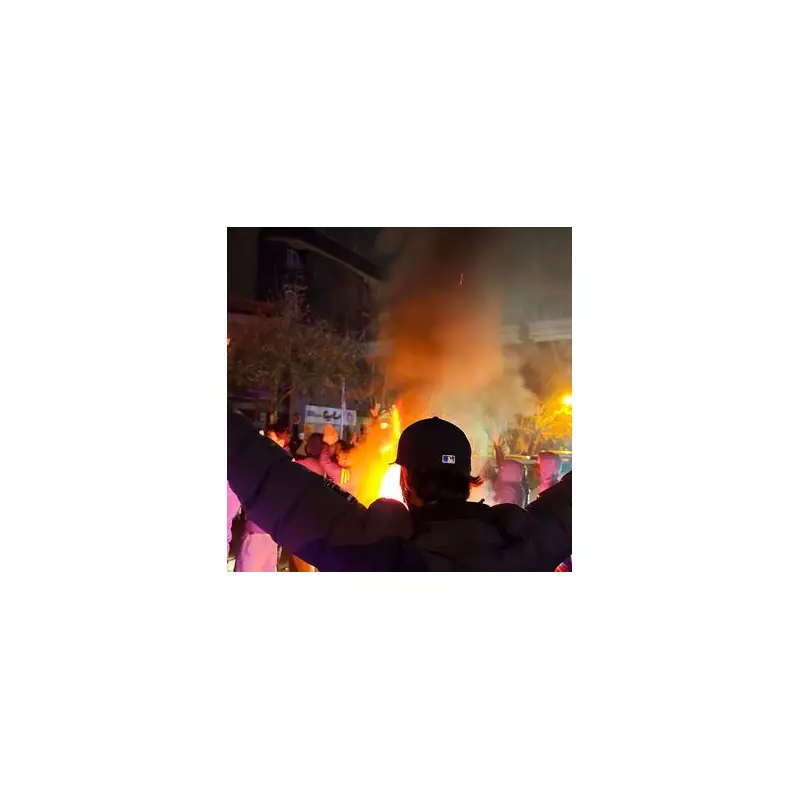
The initial wave of demonstrations erupted primarily due to a spiralling inflation crisis that has crippled the Iranian economy. However, the protests rapidly evolved in scope and ambition. What began as economic discontent soon transformed into a direct political challenge, with crowds in Tehran and other cities openly calling for an end to the theocratic regime that has held power since the 1979 Islamic Revolution.
Images and reports from the country depicted a severe and bloody response from state security forces. The government's strategy has been characterised by observers as a brutal crackdown, designed to quell dissent through overwhelming force and fear.
Uncertain Future and International Reactions
The future of the protest movement remains highly uncertain following the state's violent suppression and the leader's admission. The significant loss of life and the explicit nature of Khamenei's statement mark a critical moment for the Islamic Republic, revealing both the depth of domestic opposition and the regime's willingness to use extreme violence to maintain control.
Internationally, the situation has further inflamed tensions between Iran and the West, particularly with figures like Trump using the crisis to condemn the leadership in Tehran. The events have also prompted calls from some Iranians for external intervention, though the practical implications of such appeals are unclear. The ultimate fallout from this period of intense civil unrest and state brutality is yet to be fully realised.