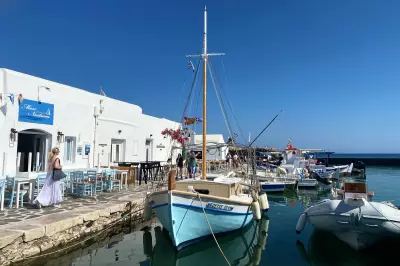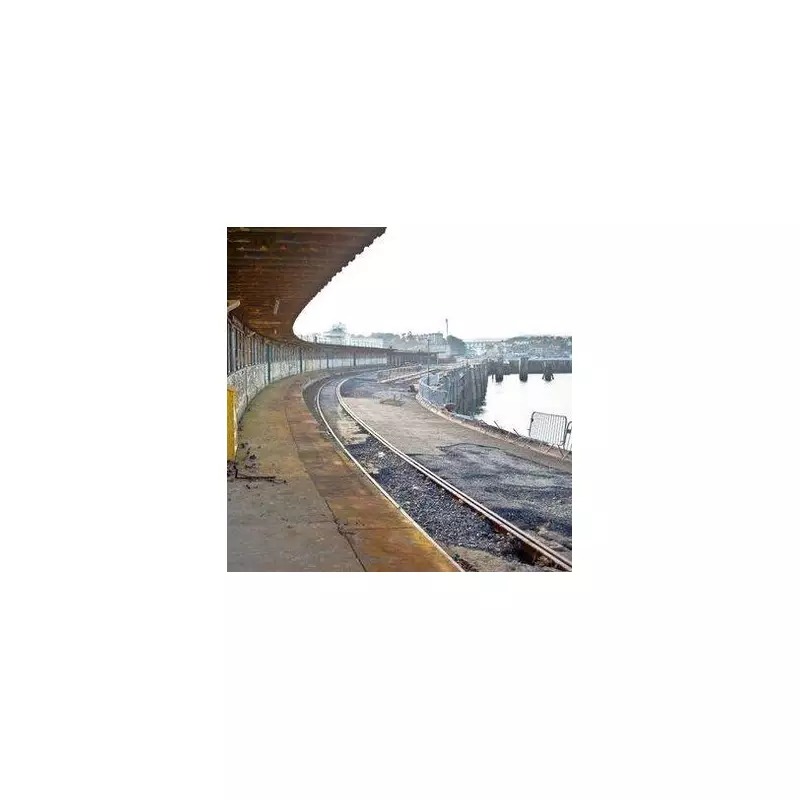
The Kent seaside town of Folkestone, long overshadowed by its neighbour Dover, has undergone a dramatic transformation from a place once described as "incredibly grim" to a thriving destination for independent businesses and creative minds.
The £100 Million Vision of a Local Tycoon
The catalyst for this remarkable change is local philanthropist Sir Roger De Haan. The 75-year-old business magnate, who grew up in the town and sold his family's Saga holiday firm, has invested a staggering £100 million into rejuvenating his hometown. He recalls a Folkestone of his youth with "nothing to do," which later watched hundreds of hotels vanish as the ferry port closed in the early 2000s.
"I love the place," Sir Roger told the Express in late 2025. "I had my kids in Folkestone. I've always lived in Folkestone, or the surrounding area. I do have an emotional attachment to it." His mission began when he found the old parts of town neglected, having declined into what he called a "slum" after a new town centre development.

A Creative Quarter and Rising Property Prices
The heart of the revival is the town's Creative Quarter, now home to 80 independent traders. Sir Roger purchased around 90 derelict buildings and leased them to an arts charity for a nominal "peppercorn rent" on a 125-year lease, a model he believes will ensure its success for a century. The area, which once had boarded-up shops, now attracts visitors from east Asia and Londoners seeking a coastal lifestyle.
This influx has significantly impacted the local property market. Average house prices in Folkestone now stand at £320,757, according to Rightmove, notably higher than the UK average of £265,000 recorded in June. While Sir Roger argues this rise was necessary to encourage investment in rundown housing stock, some locals express concern. Mike O'Donoughue, a shop owner in the Creative Quarter, noted that properties are no longer cheap and that some residents "feel like they're being ousted, slightly."
Future Plans and Local Concerns
The transformation is ongoing. A contentious next phase to redevelop the harbour, featuring tower blocks with 1,000 homes and 10,000 square metres of commercial space, was approved in June 2025. Artist impressions show sleek apartments reminiscent of Dubai or Monte Carlo.
This rapid change divides opinion. While the town benefits from new investment in education and sports, some mourn the loss of traditional attractions. Gianna Marchesi, 69, lamented the disappearance of the old funfair and Sunday market. Lifelong resident Brian Frost, 64, observed the town centre is now dominated by cafés, nail bars, and betting shops, stating plainly: "It's not what it was like when I was a kid."
Sir Roger is keen to reassure those worried Folkestone will lose its character. "We're not trying to turn it into some other place," he insists, highlighting its unique personality, white cliffs, and views of France. He believes his father, who predicted the town's decline, would be "really happy" that Folkestone has been reinvented and rediscovered by visitors returning in large numbers.