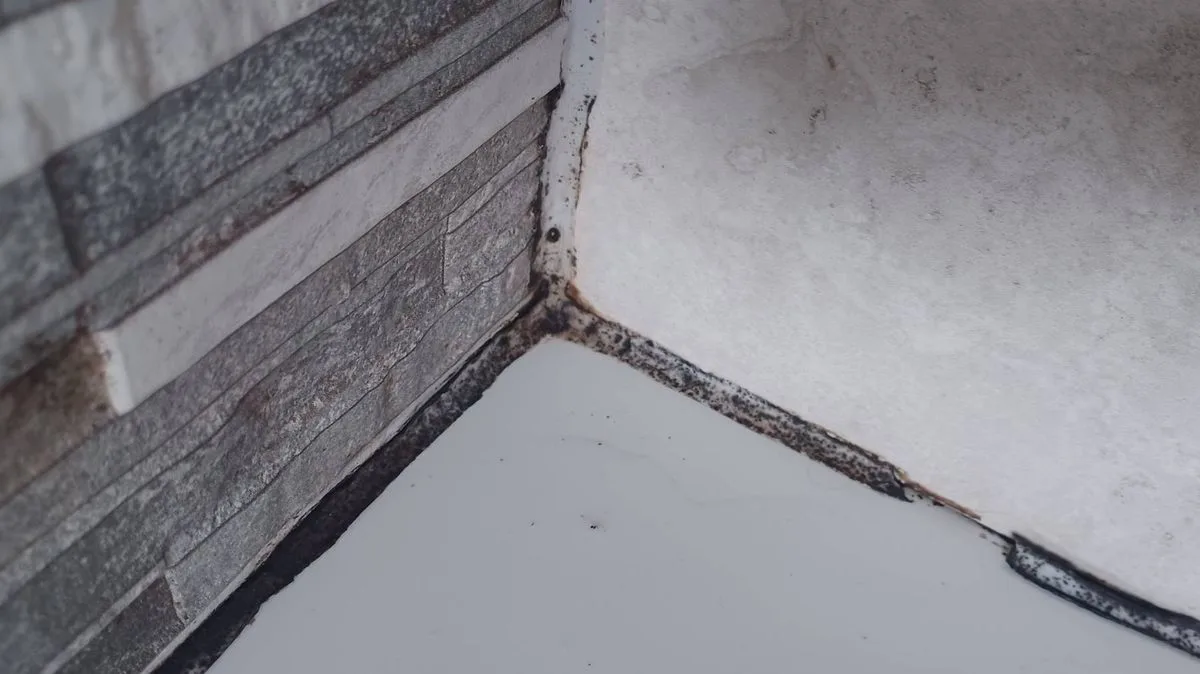
As the winter chill sets in across the UK, a common and potentially hazardous problem begins to creep into many homes: black mould. The combination of colder weather, reduced outdoor drying, and poor ventilation creates a perfect storm for its growth. Recognising this seasonal issue, the DIY retail giant B&Q has published a comprehensive guide on its website, detailing effective methods to tackle mould on various surfaces, highlighting a surprisingly affordable solution.
The Health Risks and a Crucial Warning
B&Q emphasises that mould is far more than a simple eyesore. Left untreated, it can pose serious health risks, including respiratory problems, allergies, and infections. It can also cause significant damage to property. The retailer issues a vital caveat: their advice is strictly for small, isolated patches of mould covering less than one square metre. For extensive mould infestations spanning multiple rooms, they strongly advise seeking a professional inspection immediately.
Targeted Solutions for Different Surfaces
The guide breaks down the best approaches for dealing with mould on specific materials found throughout the home.
Walls and Porous Surfaces
For plasterboard walls, B&Q notes that mould can penetrate deep layers, meaning cleaning the surface may not be enough, and replacement of affected sections might be necessary. For cleanable surfaces, they recommend dedicated mould removal sprays, used strictly according to manufacturer instructions with protective gear. A common alternative is a diluted bleach solution: mix one part bleach with four parts water, apply with a cloth, scrub gently, then wipe clean and dry thoroughly.
The standout budget-friendly recommendation is white vinegar. Aldi sells white vinegar for just 35p, making it an accessible option for many. For walls, mix equal parts vinegar and water in a spray bottle, apply to the mould, leave for an hour, then wipe away with a damp cloth. This natural cleaner is ideal for areas like kitchens and children's bedrooms where harsher chemicals are undesirable.
Fabrics and Soft Furnishings
Bleach is not suitable for fabrics as it can cause colours to run. Instead, B&Q advises using white vinegar for mould on clothing or curtains. Fill a bucket with water and add one to two cups of white vinegar. Soak the affected items for at least an hour. Then, wearing protective equipment in a well-ventilated room, scrub the mould with a toothbrush. Wash the fabrics on a regular cycle, adding another cup of vinegar for stubborn stains, and dry them outside if possible.
Bathrooms and Furniture
In moisture-rich bathrooms, specialised mould cleaners for sealant and grout are recommended. For persistent problems, re-grouting or re-sealing may be the only solution. When dealing with mouldy furniture, the first step is to take it outside to prevent spores spreading indoors. Vacuum the area thoroughly (cleaning the vacuum filter afterwards), then spray a solution of water and a teaspoon of washing-up liquid onto the mould. Scrub with a soft brush, then dry completely. If this fails, the vinegar and water spray can be used, left for an hour, then wiped off.
Non-Negotiable Safety Precautions
B&Q stresses that safety is paramount when dealing with mould. Always wear a protective mask covering your nose and mouth, long rubber gloves, and eye protection when using sprays or bleach. Ensure the room you are working in is well-ventilated by opening windows, but keep the door closed to stop mould spores circulating into other parts of your home.
By following this expert guidance, homeowners can address unsightly and unhealthy mould growth effectively and affordably as they battle the damp winter conditions.




