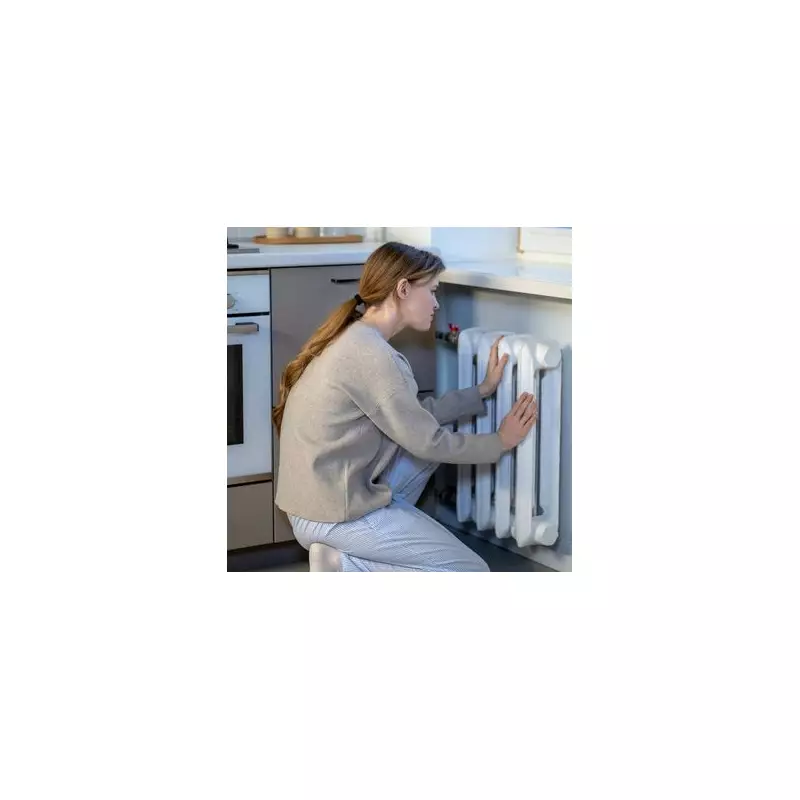
As freezing temperatures and significant snowfall grip the UK, households are facing the dual challenge of staying warm and managing soaring energy costs. With the Met Office issuing weather warnings and predicting lows of -10°C, finding effective ways to reduce central heating bills has become a critical concern for many.
The Great Heating Debate: Constant Low Heat vs. Timed Use
A persistent belief suggests that keeping your central heating on a low setting constantly is cheaper than turning it on and off. However, energy experts are united in debunking this common myth, stating it leads to higher energy consumption and increased costs.
Ryan Willdig from Heatforce clarified the misconception, stating that the idea of all-day low heat being cost-efficient is misinformation. "In reality, it's far more efficient and cost-effective to only use the heating when required," he emphasised.

Expert Advice for Efficient Heating
Gav Murray, Hive heating director, advises against the constant low-heat approach, noting it is neither efficient nor economical. Instead, he recommends using scheduled timings. "Setting it to switch on half an hour before you get out of bed in the morning, between 18°C and 21°C, will make sure your house is warm... without leaving it on all night," he explained. Similarly, programming the heating to start 30 minutes before returning home avoids wasting energy on an empty house.
Savings expert Zoe Morris from VoucherCodes.co.uk concurred, highlighting that heating a house for hours on end accumulates energy usage, often warming unused rooms. The smarter strategy is to heat only occupied spaces, utilising timers or smart thermostats to prevent energy waste.
This guidance is supported by the Energy Saving Trust, which confirms that for homes with a boiler, keeping the heating on all day uses more energy and money. They note an exception for homes with heat pumps, where leaving heating on can be more economical.
The Ideal Thermostat Setting and Common Mistakes
Experts also agree on the optimal thermostat range. Hive recommends a setting between 18°C and 21°C, with most users opting for 18°C. Gav Murray pointed out that lowering the temperature by just one degree could save an average household up to £115 annually.
A critical mistake to avoid is cranking up the thermostat upon entering a cold house. Energy efficiency expert Jamie Burns from Ailsa warns that turning it up to a high temperature like 25°C does not heat rooms faster. "It overshoots, wastes energy and makes the system short-cycle," he said.
To further reduce bills, experts suggest several no-cost measures:
- Draught-proofing windows, doors, and chimneys.
- Heating only the rooms in use and turning off radiators in others.
- Ensuring your boiler is serviced and bleeding radiators for efficiency.
- Keeping yourself warm with layers, blankets, and hot water bottles to reduce reliance on central heating.
With the UK in the grip of a severe cold spell, adopting these expert-recommended practices can lead to significant savings while maintaining a comfortable home environment.