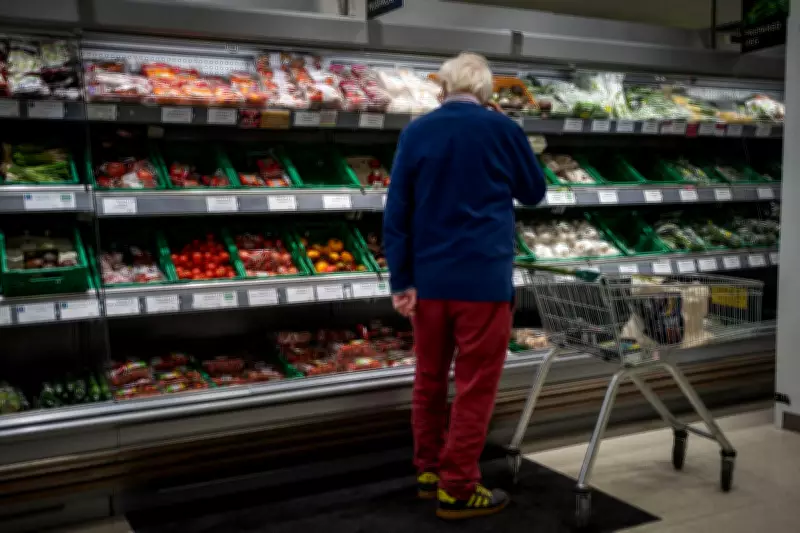
Inflation in the United Kingdom has slowed to a ten-month low, primarily due to easing petrol and food costs, as revealed by the latest official figures. The rate of Consumer Prices Index (CPI) inflation decreased to 3% in January, down from 3.4% in December, marking the lowest level since March of the previous year.
Key Drivers Behind the Decline
The Office for National Statistics (ONS) reported that the drop in inflation was largely influenced by falling petrol prices and a deceleration in food price increases. Data indicated that motor fuels played a significant role, with the average price of petrol falling by 3.1p per litre between December 2025 and January 2026.
Additional Factors Contributing to the Trend
ONS chief economist Grant Fitzner highlighted that airfares were another downward driver this month, as prices dropped back following an increase in December. He noted, "Lower food prices also helped push the rate down, particularly for bread & cereals and meat." However, these reductions were partially offset by rising costs in hotel stays and takeaways.

The reading aligned with economists' predictions, signaling a return to a downward trajectory after a brief increase in the previous month. This development provides some relief for consumers and businesses grappling with cost pressures.
Overall, the easing of inflation reflects broader economic trends, with petrol and food sectors showing notable improvements. The ONS continues to monitor these changes closely, as they impact household budgets and economic stability across the UK.