In a significant economic development, the United Kingdom has witnessed a notable deceleration in inflation, reaching its lowest point in ten months. This welcome shift is primarily attributed to easing petrol prices and a slowdown in food cost increases, according to the latest official data released by the Office for National Statistics (ONS).
Key Inflation Figures and Contributing Factors
The Consumer Prices Index (CPI) inflation rate decreased to 3% in January, down from 3.4% recorded in December. This reading aligns precisely with economists' predictions and marks a return to a downward trajectory after a slight uptick in the previous month. The current inflation level is the lowest observed since March of the preceding year, offering a glimmer of relief amidst ongoing economic pressures.
Petrol and Diesel Price Declines
Motor fuels played a pivotal role in driving the inflation rate lower. Data indicates that the average price of petrol fell by 3.1 pence per litre between December 2025 and January 2026. Specifically, petrol prices averaged 133.2p per litre in January, a reduction from 137.1p per litre during the same period a year earlier. Similarly, diesel prices experienced a decline, dropping by 3.2p per litre compared to the previous month.

Food and Beverage Inflation Slows
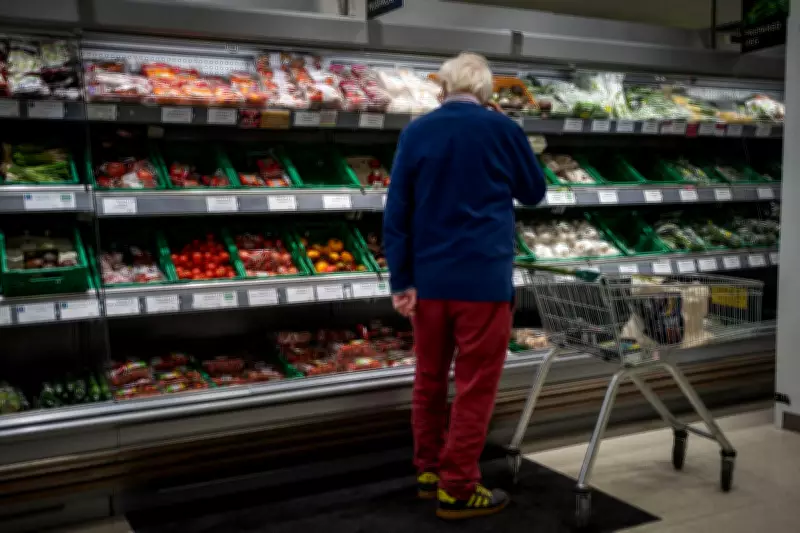
The ONS reported a deceleration in food and non-alcoholic drink price inflation, which slowed from 4.5% in December to 3.6% in January. Notably, prices for these items were 0.1% cheaper in January than in December, largely due to a drop in the cost of bread and cereals. Additionally, recent price increases in alcohol and tobacco also moderated, slowing from 5.2% in December to 4.6% in January.
Official Commentary and Economic Implications
Grant Fitzner, chief economist at the ONS, provided further insight into the factors influencing the inflation drop. "Airfares were another downward driver this month with prices dropping back following the increase in December," he stated. "Lower food prices also helped push the rate down, particularly for bread & cereals and meat. These were partially offset by the cost of hotel stays and takeaways."
The broader easing of inflation is expected to provide some relief for Chancellor Rachel Reeves, especially as the Bank of England continues its efforts to bring inflation back to the target level of 2%. Economists have indicated that the latest reading keeps inflation on track to drop to 2% by April and has bolstered hopes that central bankers will implement an interest rate cut next month from the current rate of 3.75%.
Expert Analysis and Political Reactions
Thomas Pugh, chief economist at RSM UK, commented on the implications of the data. "The sharp drop in inflation in January all but nails on a rate cut next month following yesterday's weak labour market data," he said. "What's more, today's drop was just the start of a steep slide that should take inflation to 2% in April, which will set the stage for another interest rate cut in the summer."
Chancellor Rachel Reeves emphasised the government's focus on reducing living costs. "Cutting the cost of living is my number one priority. Thanks to the choices we made at the budget we are bringing inflation down, with £150 off energy bills, a freeze in rail fares for the first time in 30 years and prescription fees frozen again. Our economic plan is the right one, to cut the cost of living, cut the national debt and create the conditions for growth and investment in every part of the country."
In contrast, Shadow Chancellor Mel Stride offered a critical perspective. "Inflation remains above target thanks to Labour's choices. Families are still feeling the pinch because of Labour's economic mismanagement," he stated, highlighting ongoing political divisions regarding economic policy.
The January inflation data underscores a positive trend in the UK economy, with falling petrol and food prices leading the way. However, offsetting factors such as rising hotel costs remind observers that the path to sustained low inflation remains complex. As the Bank of England monitors these developments, all eyes will be on potential interest rate adjustments in the coming months.