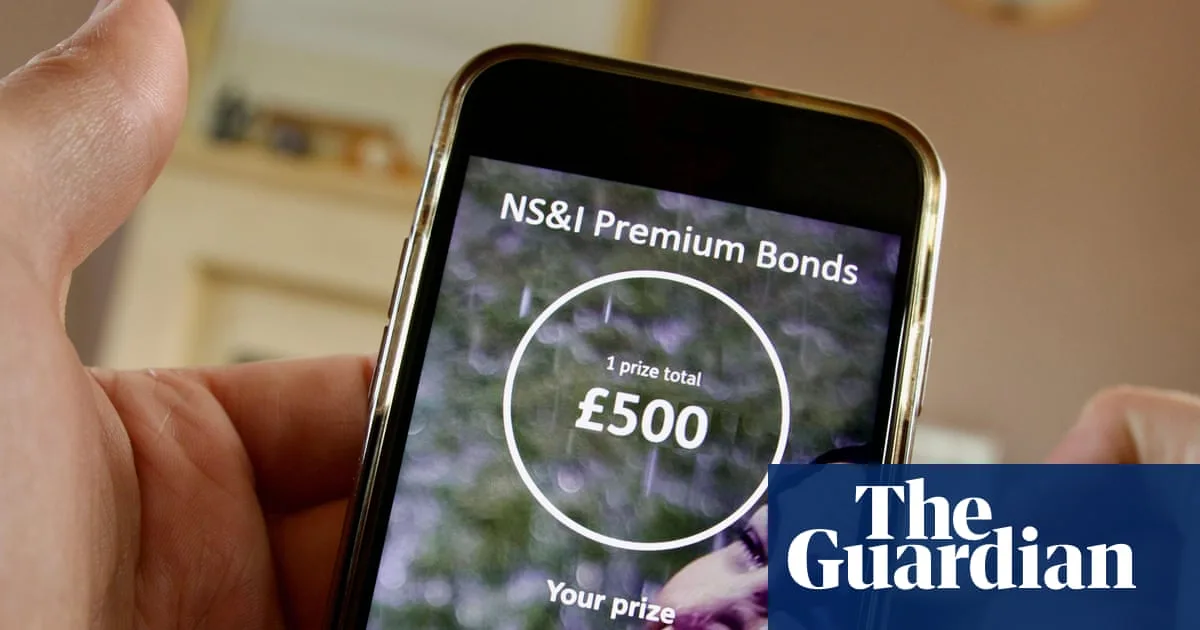
Premium Bonds Odds Set to Lengthen as NS&I Slashes Prize Fund
In a disappointing development for Britain's vast community of premium bond holders, numbering over 22 million, the likelihood of securing a win is poised to deteriorate significantly. National Savings and Investments (NS&I) has announced a reduction in the annual prize fund rate, which will impact draws starting from April.
Key Changes to Prize Structure and Odds
The proportion of the total invested amount allocated for prizes will be trimmed from 3.6% to 3.3% per annum. This adjustment directly translates to longer odds for each £1 bond number, shifting from 22,000-1 to 23,000-1. Premium bonds function by entering purchasers into a monthly prize draw, offering tax-free rewards ranging from £25 to a staggering £1 million.
However, it is crucial to note that while there is a chance to win life-altering sums, there is absolutely no guarantee of any prize whatsoever. The upcoming April draw is projected to feature nearly six million tax-free prizes, with a total value approximating £375 million.
Shift in Prize Distribution Favours Smaller Wins
NS&I has implemented a strategic reshuffling of the prize pool, decreasing the quantity of higher-value awards while boosting the number of £25 prizes. For instance, the count of £100,000 prizes will decline from 78 in the current month to an estimated 71 in April. Similarly, £25,000 payouts are set to be reduced from 311 to 284.
Conversely, the number of £25 prizes is expected to rise from approximately 2.6 million to just over 2.8 million. This rebalancing means that while more bondholders might experience minor wins, the opportunity for substantial jackpots has diminished.
Expert Insights on Premium Bonds Pros and Cons
Alastair Douglas, a representative from the consumer credit platform TotallyMoney, highlights a significant advantage of premium bonds: their tax-free status, which particularly benefits higher-rate taxpayers. He illustrates, "If you held the maximum £50,000 and won the equivalent of 3.3%, that's £1,650 tax-free. A higher-rate taxpayer earning the same in savings could face a bill of £743."
Nevertheless, a major drawback of premium bonds is their lack of interest payments, rendering them more susceptible to inflationary pressures compared to other savings vehicles. Douglas advises, "Those seeking a guaranteed return should explore alternatives, such as competitive bank or building society savings accounts. Some institutions are offering rates exceeding 4% with easy access."
For the most current information, consumers are encouraged to consult the Moneyfacts savings best-buy tables. This move by NS&I underscores the evolving landscape of savings products, prompting savers to carefully evaluate their options in light of changing odds and economic conditions.






