Ministers are preparing for the possibility that British households may require financial assistance if the escalating Middle East crisis triggers a dramatic surge in energy costs. Government insiders have emphasised their understanding of the mounting pressures facing ordinary families, amid growing concerns that regional instability could persist for months.
Projected Price Cap Increases and Economic Fallout
Energy analysts are issuing stark warnings that the Ofgem price cap could experience a sharp upward adjustment when it is next revised in July. Cornwall Insight forecasts indicate the typical annual dual-fuel household bill could reach £1,801 for the July to September period, representing a £160 increase from April's announced cap. The Resolution Foundation has suggested a potential £500 annual rise is plausible, though the ultimate impact remains highly sensitive to the duration and severity of the ongoing conflict.
Global Market Volatility and Inflationary Pressures
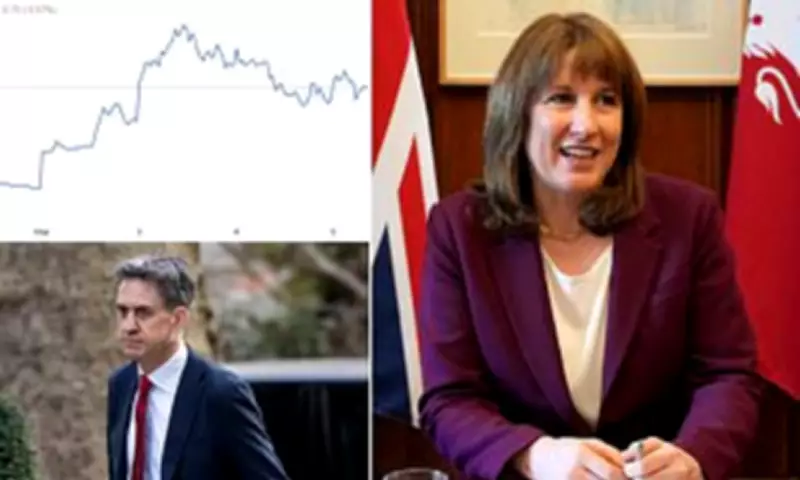
Global natural gas and oil prices have been experiencing significant volatility following Iran's retaliatory strikes and mounting fears regarding supply disruptions from the strategically vital region. This turbulence has already erased approximately one month of gains from the FTSE 100 index over recent trading sessions. An analysis from Bloomberg Economics suggests a prolonged Middle East conflict could add a full percentage point to inflation rates while simultaneously reducing economic growth by 0.5 percentage points.

Struggling families could consequently face higher inflation across multiple sectors by the summer months, inevitably intensifying calls for the government to implement a comprehensive support package. The previous Conservative administration intervened to subsidise energy bills following Russia's full-scale invasion of Ukraine, a measure that ultimately cost the public purse more than £50 billion.
Government Response and Fiscal Considerations
Chancellor Rachel Reeves reaffirmed her commitment in principle to terminate the windfall tax on North Sea oil and gas during meetings with energy industry leaders. However, she simultaneously acknowledged that the Treasury must account for the "more uncertain context for policy decisions" created by Middle Eastern turmoil. A government source confirmed the Chancellor's desire for the energy profits levy to conclude, while noting that real-time consequences on oil and gas prices necessitate a measured response.
Regulatory Perspectives and Energy Security
Net Zero Secretary Ed Miliband has been conducting discussions with energy firms, stating the government continues to monitor developments within oil and gas markets closely. He emphasised that conflict in the Middle East underscores the urgent need for energy independence, stating: "The only route to energy security and sovereignty for the UK is to get off our dependence on fossil fuel markets, whose prices we do not control, and onto clean homegrown power we do."
Ofgem chief executive Jonathan Brearley informed the Energy Security and Net Zero Committee that Britain's energy supplies remain secure despite global uncertainties. He cautioned, however, that prolonged closure of the Strait of Hormuz would likely create "significant upward pressure on prices that customers will pay for their gas and electricity." Brearley noted that while customers are protected by fixed tariffs or the price cap until June's end, market projections remain unreliable given current geopolitical risks.
Fiscal Watchdog Warnings and Economic Headroom
The Treasury's Office for Budget Responsibility delivered a sobering assessment during the Spring Statement, revealing that improvements in government finances largely depend on tax windfalls from surging stock markets. The watchdog cautioned that a 35 percent market correction would add £26 billion to public borrowing, effectively eliminating the Chancellor's fiscal "headroom" for achieving her primary economic targets.

As ministers navigate this complex landscape, they maintain that the existing price cap mechanism provides temporary protection for consumers. One government source told the Daily Mail: "We have time. The price cap protects people for three months." Nevertheless, the escalating situation ensures energy affordability will remain a dominant political and economic concern throughout the coming months.